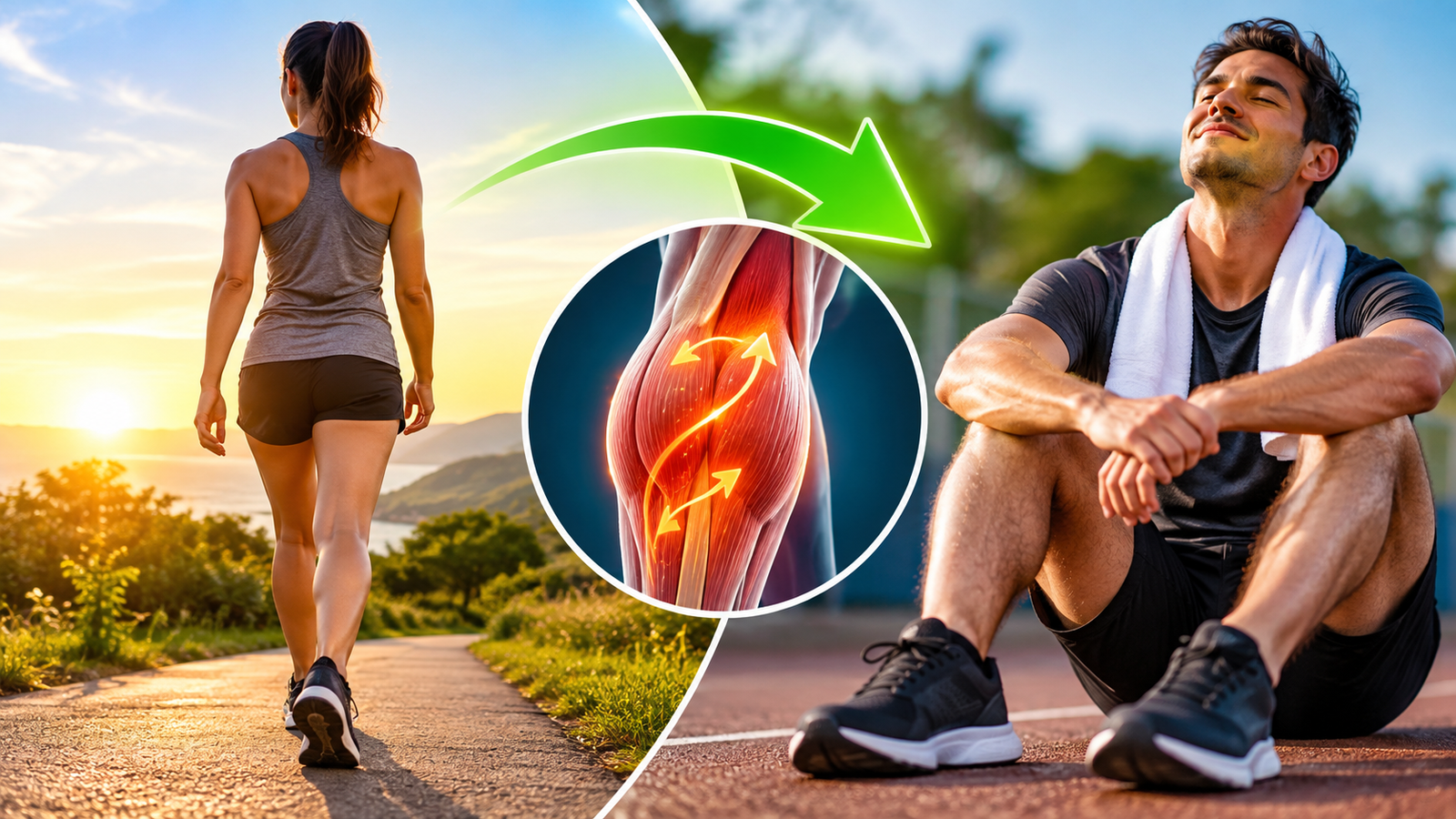










A hard workout can make you feel proud, tired, and ready to relax. You may feel that the main job is done once you finish your last set or leave the gym. But there is one more part of the process that matters just as much: recovery.
What you do after exercise can have a direct effect on how you feel the next day. If you do not give your body enough food, fluids, and rest, your next session may feel much harder than it should.
You may have less strength. Your energy may drop faster. Your muscles may feel sore for longer. You may also find it harder to focus on your form.
The biggest post-workout mistake is not taking recovery seriously.
Why Recovery Matters After Exercise
Exercise puts stress on your body. This is a normal part of fitness. Your muscles work hard, your energy stores fall, and your body loses water through sweat.
Your body then needs time and fuel to repair itself.
Think of a workout as the signal that tells your body it needs to become stronger or fitter. Recovery gives your body the chance to respond to that signal.
If recovery is poor, the body may not have the fuel or rest it needs for repair. One poor recovery day may not cause a major problem. But if this happens again and again, it can hold back your progress.
You may work hard at the gym but see less benefit from that effort.
Not Eating Enough Can Hurt Your Next Session
One common mistake after a hard workout is not eating enough.
Some people finish exercise and wait many hours before their next proper meal. Others may eat a very small meal because they think fewer calories will help them reach their fitness goal faster.
Your body still needs fuel after exercise.
Protein helps support muscle repair. Carbohydrates help restore the body’s energy stores. A meal that has both can help prepare you for your next workout.
This does not mean you need an expensive post-workout drink or a special food. A normal, balanced meal can work well.
For example, you can have a source of protein with a source of carbohydrates and some fruit or vegetables. The exact meal can vary based on your needs, your workout, and your overall diet.
The key point is simple: do not treat food as something you must avoid after a hard session.
Low Fluid Intake Can Leave You Drained
Water is another major part of recovery.
During exercise, especially in a hot place or during a long session, you can lose a lot of fluid through sweat. If you do not replace enough of that fluid, you may feel tired or weak later.
Low fluid levels can also make the next workout feel harder.
You do not need to force huge amounts of water at once. Instead, drink fluids after exercise and continue to drink through the rest of the day.
For long or very sweaty sessions, electrolytes may also have a place. They can help replace minerals lost through sweat. Your needs depend on the type of workout, the weather, how much you sweat, and your normal diet.
The goal is to finish your workout and give your body a chance to restore its fluid balance.
Poor Sleep Can Undo Good Work
You can eat well and drink enough water, but poor sleep can still hurt your recovery.
Sleep gives your body valuable time for repair. It also helps your energy, focus, mood, and physical performance.
After a hard workout, staying up late may seem harmless. You may tell yourself that one short night will not matter. But if short sleep becomes a habit, it can make your workouts feel harder and may reduce your ability to perform at your best.
A good night of sleep should be part of your fitness plan, not an extra task that you do only when you have time.
Try to keep a regular sleep schedule. Give yourself enough time in bed, especially after a demanding workout.
Do Not Rush Back Into Hard Exercise
Another mistake is to train hard again before your body has had enough time to recover.
This does not mean you must avoid exercise whenever you feel sore. Light activity can be useful for some people. The problem comes when you keep pushing the same muscles or the same energy systems at a high level without enough rest.
For example, if your legs had a very hard workout, another intense leg session the next day may not be the best choice.
Your body needs time to repair the small amount of muscle damage caused by hard exercise. It also needs time to restore energy.
A smart workout plan includes hard sessions and easier periods. Rest is not a sign of weakness. It is part of progress.
Soreness Does Not Always Mean Better Results
Many people judge a workout by how sore they feel the next day.
That can be misleading.
Muscle soreness can happen after a new or difficult workout, but extreme soreness does not prove that the session was better. If soreness makes it hard to move normally or perform basic exercises, you may have pushed too far.
Your goal should not be to make yourself as sore as possible.
Your goal should be steady progress. That means you need enough recovery so you can perform well in your next session.
The Real Cost of Poor Recovery
Poor recovery may seem like a small issue at first.
You may simply feel more tired the next morning. Your normal weights may feel heavier. You may need longer breaks between sets. Your motivation may also fall.
If this pattern continues, the problem can become bigger.
Repeated poor recovery can limit progress and may raise the risk of injury. When you feel very tired, your control and exercise form may suffer. That can make some movements less safe.
This is why recovery should not be treated as something that matters only to professional athletes.
Anyone who exercises can benefit from proper recovery.
What You Should Do After a Hard Workout
The answer is simple. Give your body what it needs.
Have a proper meal with protein and carbohydrates. Drink enough fluid to replace what you lost through sweat. Give your muscles time to recover before you put them under another hard load. Most of all, get enough sleep.
You do not need a complicated routine.
You also do not need to spend a lot of money on supplements or recovery products. Good food, enough fluids, sensible exercise, and quality sleep can form the base of a strong recovery plan.
Make Recovery Part of Your Fitness Plan
A workout creates the stress that helps your body adapt. Recovery allows that adaptation to take place.
This is why the hours after exercise matter more than many people realise.
If you train hard but eat too little, drink too little, sleep poorly, and rush into another hard session, your body may struggle to keep up with the demands you place on it.
On the other hand, a simple recovery routine can help you feel better and perform better the next day.
So before you focus on your next workout, take care of the one you just finished. Your next session starts with what you do after this one.
ALSO READ: Why Great Games Make You Forget the Controls