







Technology has changed sport in many ways. Cameras, GPS systems, smart watches and video tools are now a normal part of modern sport. Teams use them to study players, improve fitness and understand what happens during a match.
The next stage could bring a much bigger change. Sports technology is moving away from simple data collection. The focus is now on what that data can tell us and how fast people can use it.
Artificial intelligence, computer vision, wearable devices and advanced data systems are starting to work together. These tools can help coaches, athletes, officials and fans get useful information at the right time.
Several areas already show signs of strong growth. Some are still new, while others are already in use at major sports events.
AI Could Become a Coach’s Second Pair of Eyes
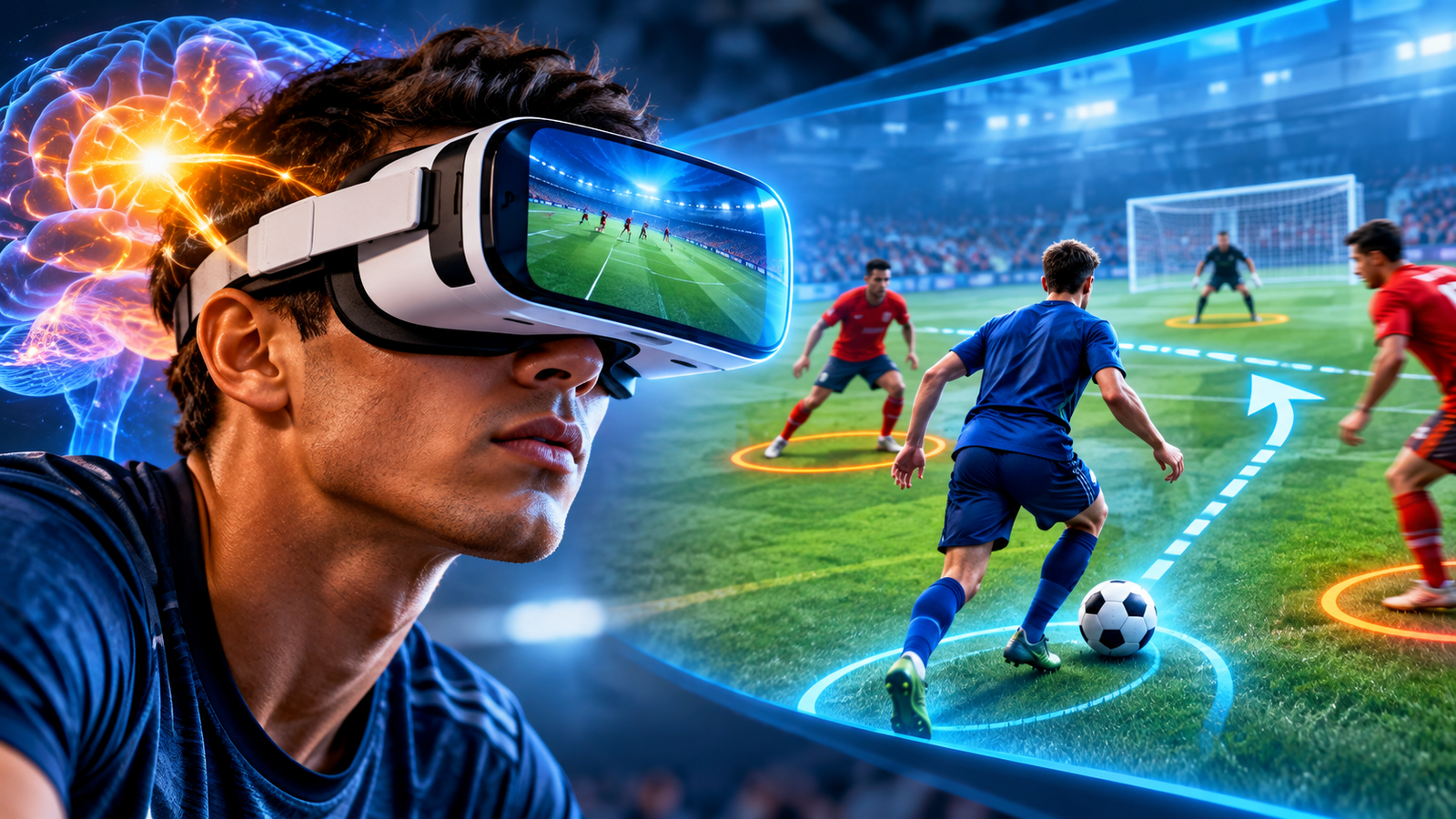
Artificial intelligence could soon become one of the most useful tools for coaches. Its role would not be to replace the coach. Instead, it could work like a second analyst that can study a huge amount of information in very little time.
An AI system can study match video, player data, scouting reports and past games. It can then find patterns that may be difficult for a person to spot.
A coach could ask a simple question such as why a team loses possession after a turnover. The system could find the relevant moments, show the right video clips and explain the pattern.
FIFA has already made progress in this area. Its 2026 Football AI Pro can study hundreds of millions of football data points. It can turn this data into text, video, graphs and 3D views.
This could save coaches many hours of manual work. Instead of searching through large amounts of information, they could ask a direct question and get a clear answer much faster.
Cameras Could Create a 3D View of Athletes
Computer vision is another area that could see major growth. Modern camera systems can study the position of an athlete’s body without the need for special markers or many sensors.
These systems can follow body movement at very high frame rates. This gives coaches a better way to study technique and form. It can also help with rehabilitation, talent scouting and decisions by officials.
One system could serve several purposes. The same camera data could help a coach study movement, help a medical team assess recovery, support television graphics and assist officials.
This could also reduce the need for extra equipment. Athletes may not have to wear several sensors just to provide basic movement data.
As camera technology improves, sport could gain a much clearer view of how athletes move during training and competition.
Wearables Could Offer More Personal Advice
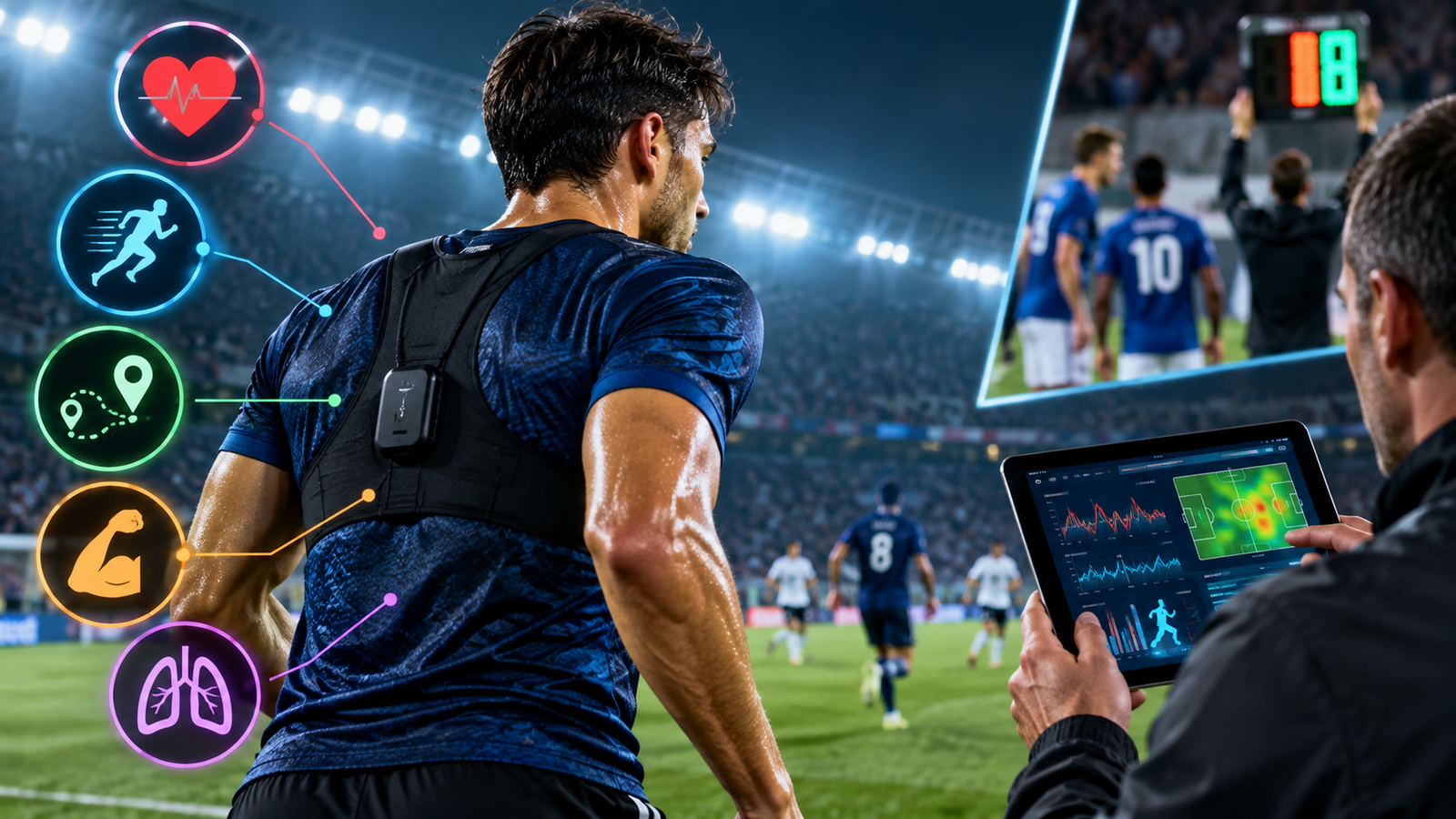
Smart watches and other wearable devices already collect a large amount of information. They can record heart rate, movement, sleep and other physical signals.
The next step is not simply to collect more data. The real goal is to understand that data better.
AI could combine information from a wearable with recent training history and other athlete data. It could then offer more personal advice about workload, rest and performance.
For example, a system may see that an athlete has a much higher heart rate than their recent normal level. Instead of only showing the number, it could compare the result with the athlete’s recent baseline and suggest a change to the next training session.
Research in 2026 has explored the use of AI with wearable data for performance checks, fatigue assessment, injury-risk analysis and athlete wellbeing.
There are still important questions about accuracy. A system must prove that its advice is reliable before coaches and athletes can trust it for major decisions. Privacy also matters because athlete data can contain very personal information.
AI Could Help Officials Make Faster Calls
Technology has already changed the way officials make decisions in several major sports. The next step could bring more automatic help while humans remain at the center of the process.
MLB is set to introduce its Automated Ball-Strike Challenge System in 2026. Football also uses ball tracking and skeletal data for semi-automated offside decisions.
Similar tools could soon appear in other areas of sport. Cameras and software can measure events that may be hard to judge with the human eye.
Another benefit is clarity. A technology system may be able to show why a decision was made. This could help officials, players and fans understand what happened.
That does not mean every decision will become automatic. Human judgment will remain important in many sports. Technology can instead deal with situations where exact measurement matters most.
Digital Twins Could Change Athlete Plans
One of the more advanced ideas in sports technology is the digital twin. In simple terms, it is a computer model that represents a real athlete.
A digital twin could combine data about movement, workload, nutrition and physical signals. It could then help a team test different choices before they are used in real life.
For example, a coach could ask what might happen if an athlete’s training load rises by 10 percent. A digital model could help show possible effects on performance and recovery.
This technology is still at an early stage. Researchers have explored digital twins as a way to bring separate sources of athlete data into one system.
If these models prove accurate, they could become useful for training plans, rehabilitation and long-term athlete care.
The biggest value may not be the digital image itself. The real benefit could come from the ability to test different plans before a coach makes a real-world choice.
Fans Could Get a New Way to Watch Sport
Sports technology could also change the way fans watch games. Modern systems can combine camera views with player data to create new types of replay.
FIFA has already shown AI-based 3D player avatars as part of its technology work. Other sports have also tested immersive replay systems.
In the future, a fan may be able to choose which player to follow or see a play from a different position. A viewer could also ask for a tactical replay that explains what happened.
An AI system could use player positions and other data to explain why a play worked. This could be especially useful for new fans who may find complex tactics difficult to understand.
The result could be a more personal viewing experience where fans have greater control over what they see.
Smart Stadiums Could Make Visits Easier
The idea of a smart stadium is also changing. The focus is now less on flashy technology and more on simple improvements that make a visit easier.
Future stadium systems could help with entry, food purchases, directions and crowd movement. A fan could get better directions inside a large venue or receive useful information based on their location.
AI could also help stadium operators understand crowd patterns. If a large number of people move toward one area, the system could help staff respond more quickly.
Industry analysis in 2026 suggests that strong connectivity and data systems are becoming the base for these new stadium services.
The goal is simple: fewer delays, easier movement and a smoother experience for fans.
One Idea Connects All These Trends
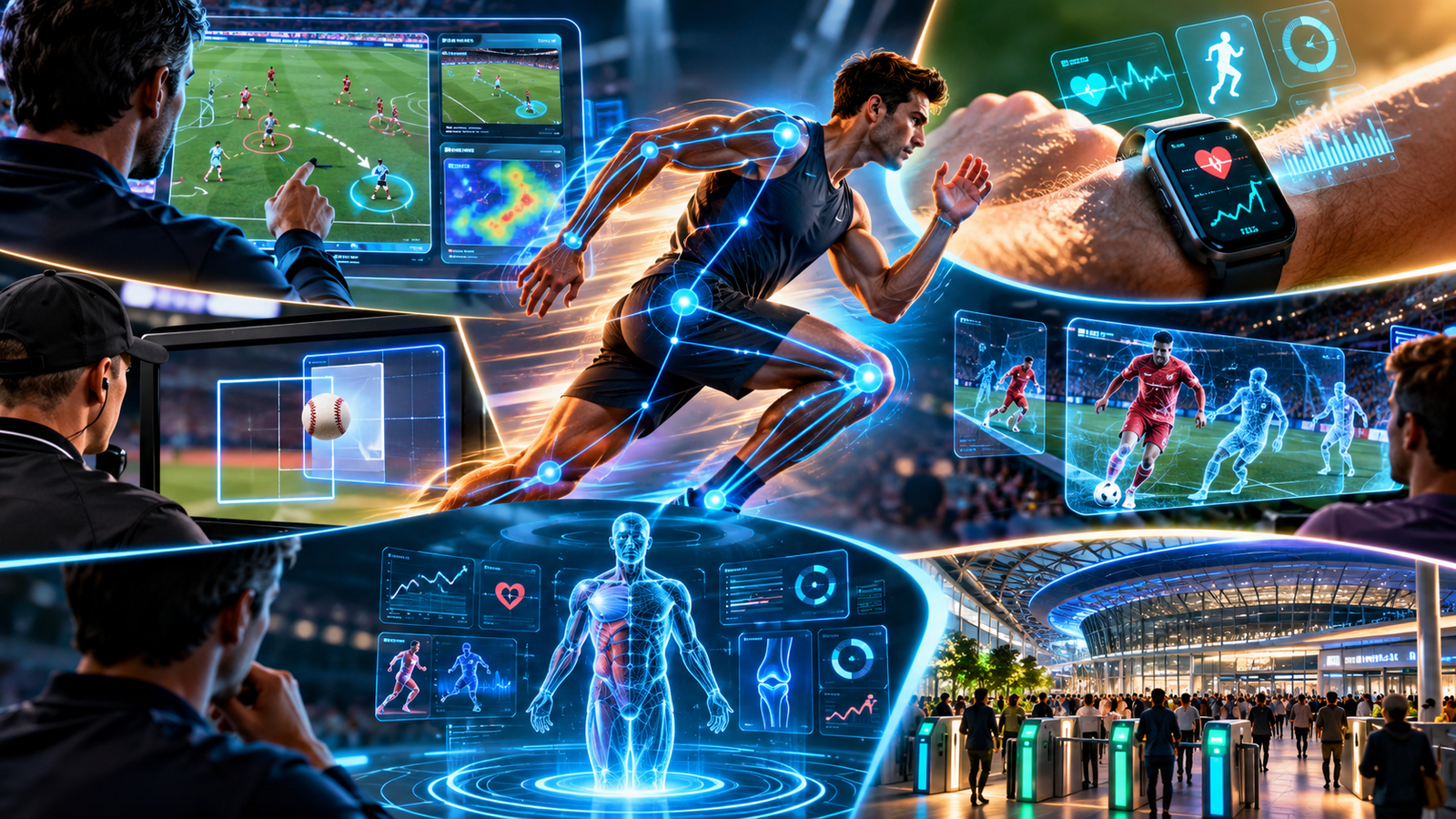
These technologies may look different, but they share one important idea. Cameras, wearables, AI, athlete data and edge computing can work together to create real-time sports intelligence.
A system can observe what happens, understand the data, suggest an action and then measure the result.
That could be the most important change in sports technology.
The next successful product may not be another standalone gadget. It could be a system that connects tools a team already uses and turns their data into useful decisions.
What the Future May Look Like
Sports technology is becoming less about collecting information and more about making that information useful.
AI coaching tools could help coaches find answers faster. Computer vision could give teams a clearer view of athlete movement. Wearables could provide more personal advice. Automated systems could help officials make precise calls. Digital twins could help teams test training plans. New broadcast tools could give fans more control. Smart stadiums could make live events easier and more enjoyable.
The sports technology market is also expected to grow strongly through the end of the decade, although estimates differ based on the market definition and research method used.
The common theme is clear. The next generation of sports technology will not simply measure sport better. It will help people understand what the data means and decide what to do next.
That is where the biggest change may come from: less raw data, more useful decisions and technology that fits naturally into the way athletes, coaches, officials and fans experience sport.
ALSO READ: What Elite Athletes Teach Us About Better Recovery Every Day