




School is not just a place where children learn subjects such as English, Maths, Science, and History. It is also a place where they learn how to stay healthy, work with others, and develop good habits. Physical education is an important part of this process.
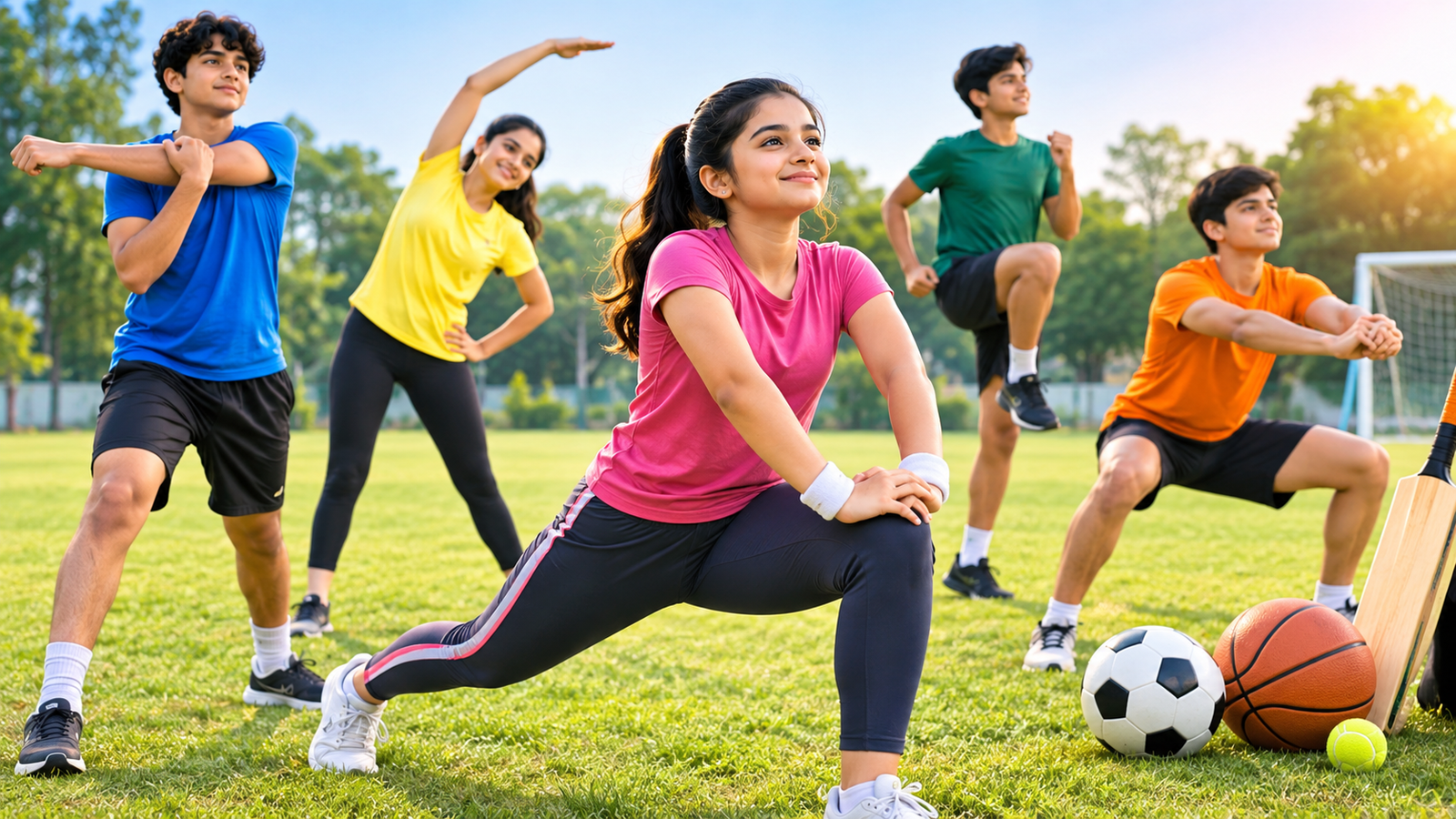
Physical education means the activities, games, and exercises that help children stay fit and active. It gives students a chance to take part in sports, play games, and learn basic fitness skills. Activities such as football, cricket, basketball, badminton, running, and yoga can be part of school physical education.
Regular physical activity helps children develop strong bodies, healthy minds, and better social skills. It also teaches them important lessons about discipline, teamwork, patience, and respect. This is why every school should give proper importance to physical education.
What Is Physical Education?
Physical education is a school subject that helps students understand the value of health and fitness. It allows them to take part in different sports and physical activities under the guidance of teachers or coaches.
The main aim is not to make every child a professional athlete. It is to help all students stay active, learn basic sports skills, and understand how to care for their bodies.
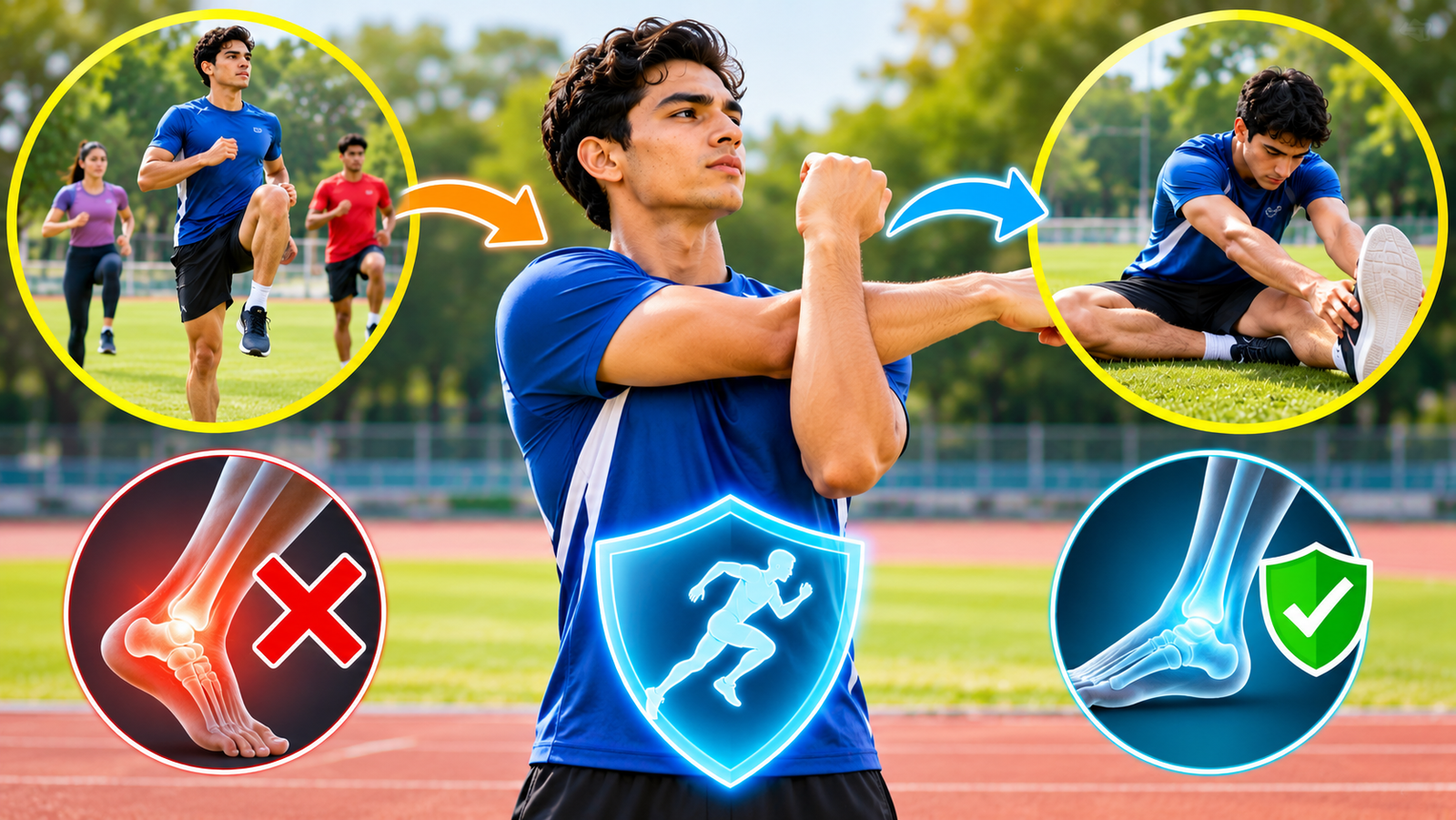
Through physical education, children learn how to run, jump, throw, catch, and move with better control. They also learn the rules of different games and how to play safely.
These lessons help students develop healthy habits from a young age. They can use these habits throughout their lives.
Physical Education Builds a Strong Body
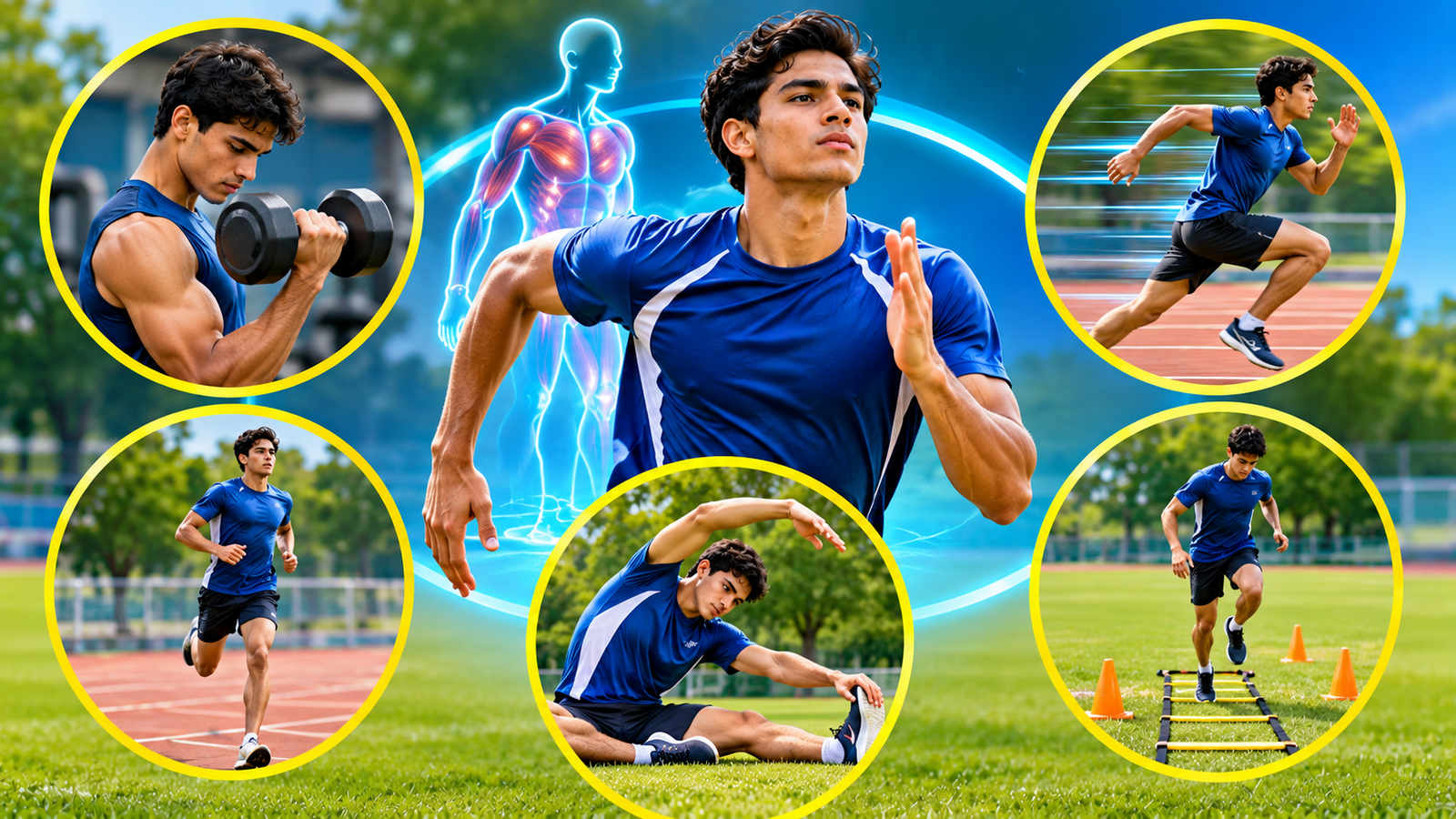
One of the biggest benefits of physical education is better physical health. Regular exercise helps children develop strong muscles and bones. It also improves heart health, stamina, balance, and flexibility.
When children take part in sports, their bodies become more active and fit. For example, running can improve stamina, swimming can help develop strength, and yoga can improve flexibility and balance.
Physical activity also helps children maintain a healthy body weight. It may reduce the risk of health problems that can develop due to a lack of exercise.
Children who take part in regular physical activities may also develop better sleep habits. A healthy body can help them feel fresh and active throughout the day.
Physical Education Supports Mental Health
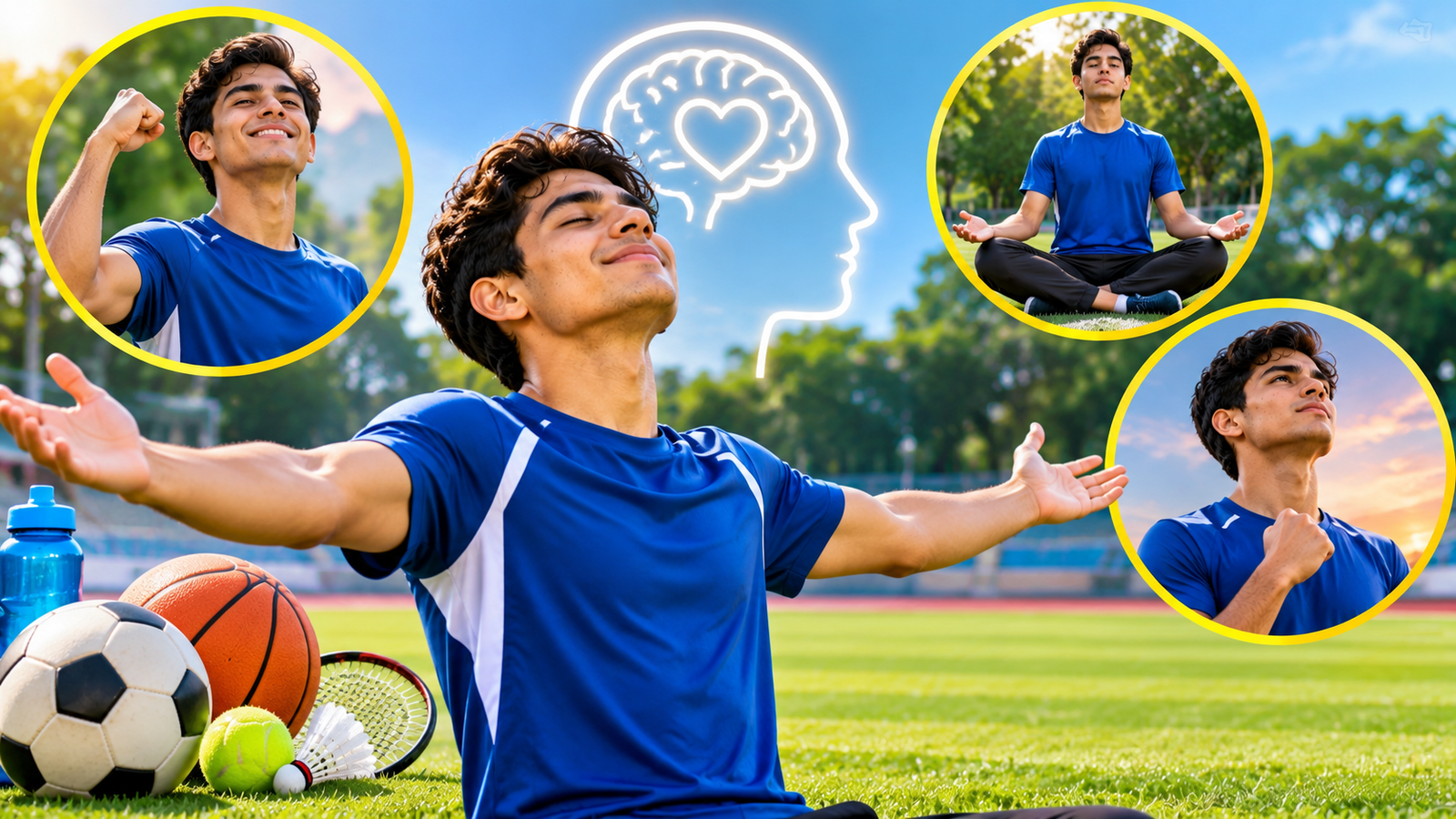
Physical education is not only good for the body. It also supports mental health. Children often face pressure due to schoolwork, exams, and other daily duties. Sports can give them a chance to relax and enjoy their free time.
Physical activity can help improve mood and reduce stress. It also helps children feel more positive and active.
For example, a student who feels tired after a long day of classes may feel better after a short football match or a game of badminton with friends.
Sports can also help children develop self-confidence. When they learn a new skill or achieve a small goal, they feel proud of their efforts. This can help them trust their abilities and face new challenges with courage.
Sports Teach Teamwork and Friendship
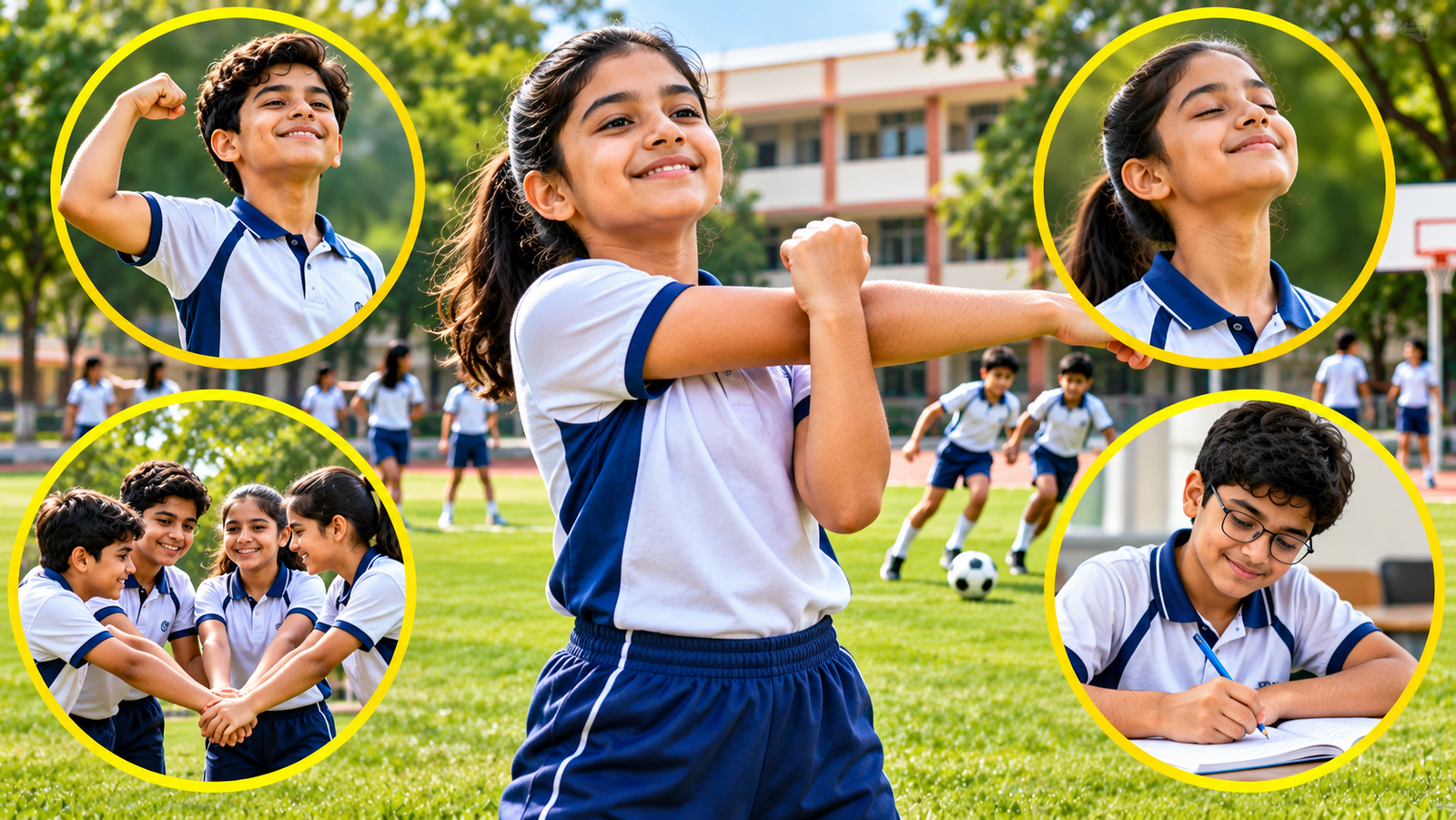
Teamwork is an important life skill that children can learn through sports. Games such as football, cricket, basketball, and volleyball require players to work together.
Every player has a role in a team. They must trust one another, share ideas, and help each other to reach a common goal.
Sports also help children make new friends. They meet classmates, talk to other players, and learn how to respect different people.
These experiences can help shy students feel more comfortable with others. They also teach children the value of friendship, support, and cooperation.
Physical Education Teaches Discipline and Respect
Discipline is an important part of both sports and daily life. Students who take part in physical education learn to follow rules, listen to their coaches, and respect their teachers and teammates.
Every sport has rules that players must follow. These rules teach children to be fair and honest.
Sports also teach respect for opponents. A good player does not insult others after a loss or act rudely after a win. Instead, they learn to accept results with a positive attitude.
These lessons help children become more responsible. They can also use the same values at home, in class, and in their future careers.
Sports Help Children Handle Failure
No one wins every match or succeeds at every task. Failure is a normal part of sports and life.
When children take part in games, they learn how to accept defeat and try again. A team may lose a football match, or a player may fail to score a goal. Such moments teach them that mistakes are a part of learning.
With support from teachers and coaches, children can understand what went wrong and how they can improve.
This helps develop patience and emotional strength. It also teaches them not to give up after one bad result.
Better Focus and Academic Performance
Physical activity may also support better focus and attention in school. Exercise helps students take a break from their regular lessons and return to class with a fresh mind.
Sports require children to make quick decisions, follow instructions, and pay attention to their surroundings. These skills can also help them with their studies.
A healthy daily routine that includes both exercise and study can help children manage their time better.
However, physical education should not be seen as a waste of school time. It is an important part of a child’s overall development.
The Role of Schools and Teachers
Schools play a major role in the physical and mental development of children. They should provide enough time for sports and physical education as part of the school routine.
Schools should have safe playgrounds, basic sports equipment, and trained physical education teachers. They should also offer different activities so that every child gets a chance to take part.
Teachers must encourage all students, not just those who are naturally good at sports. Some children may enjoy running, while others may prefer yoga, badminton, or simple outdoor games.
The main aim should be to help every child enjoy physical activity and develop healthy habits.
The Importance of Sports for Every Child
Every child should get a fair chance to take part in sports, no matter their physical ability or skill level. Not all students want to become athletes, and that is perfectly fine.
Some may enjoy team games, while others may prefer individual activities such as cycling, swimming, or walking.
Schools should create a friendly and safe space where children feel free to try different activities. They should not face pressure or unfair treatment because of their performance.
Physical education should be about health, fun, confidence, and personal growth.
Conclusion
Physical education is an important part of school life. It helps children build strong bodies, improve mental health, develop friendships, and learn useful life skills.
Sports teach discipline, teamwork, patience, confidence, and respect. They also help students understand how to face failure and work towards their goals.
Schools should give equal importance to physical education and classroom lessons. A good education is not only about books, exams, and marks. It is also about health, fitness, and the ability to live a happy and healthy life.
Every child deserves the chance to play, learn, and enjoy sports. A few hours of physical activity each week can help create healthy habits that last a lifetime.
ALSO READ: Lakshya Sen Reaches Kumamoto Masters Final in Japan