








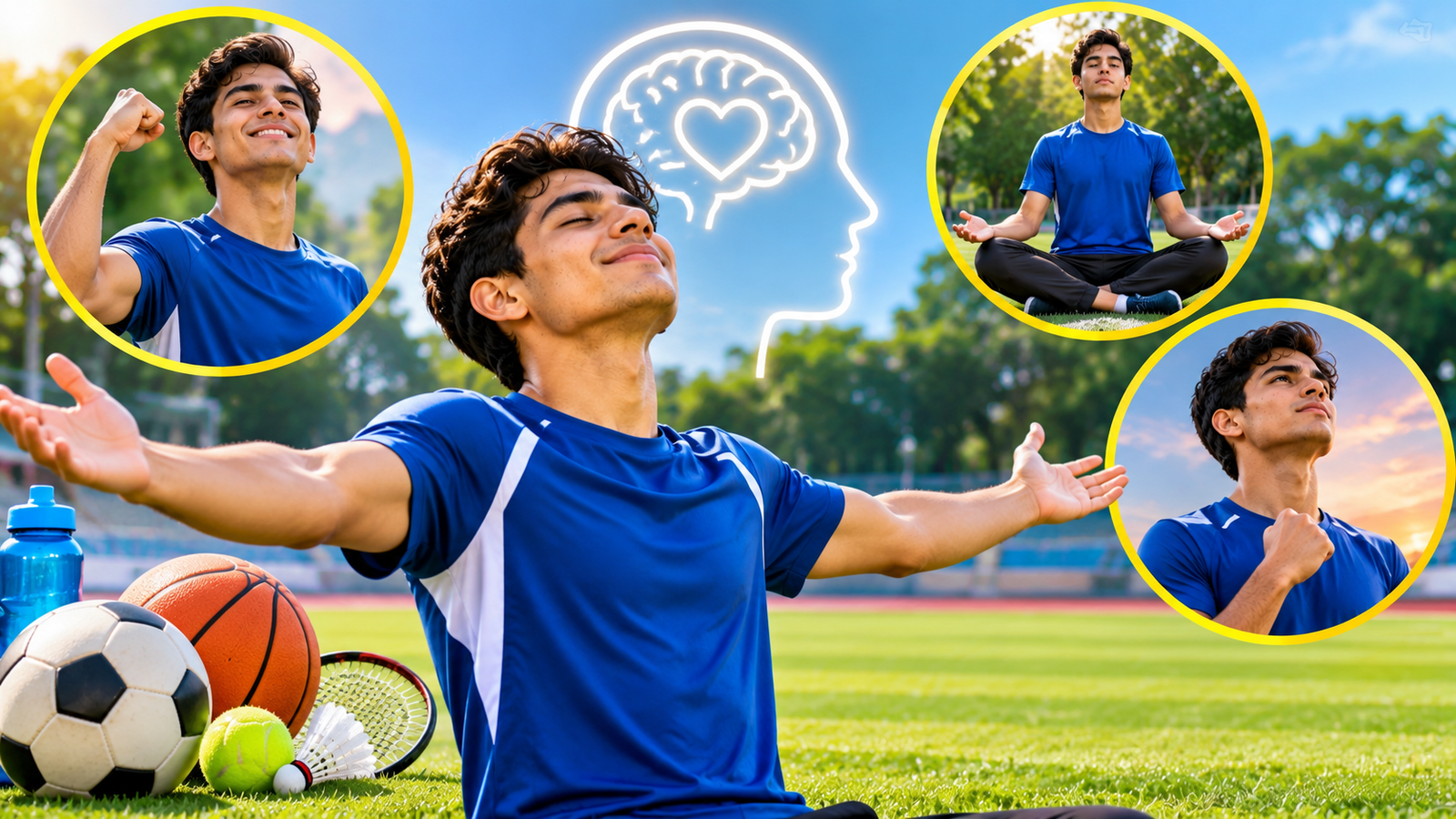
Sports are not just about physical fitness, medals, or victory. They also play an important role in our mental health. A person who takes part in sports can enjoy many benefits beyond a strong and healthy body. Sports can help us feel happy, reduce stress, build confidence, and develop a positive attitude towards life.
In today’s world, many people face stress due to school, work, family matters, and daily problems. These issues can affect how we feel and think. Sometimes, people feel worried, sad, tired, or lonely. Regular physical activity can help improve mood and give the mind a fresh start.
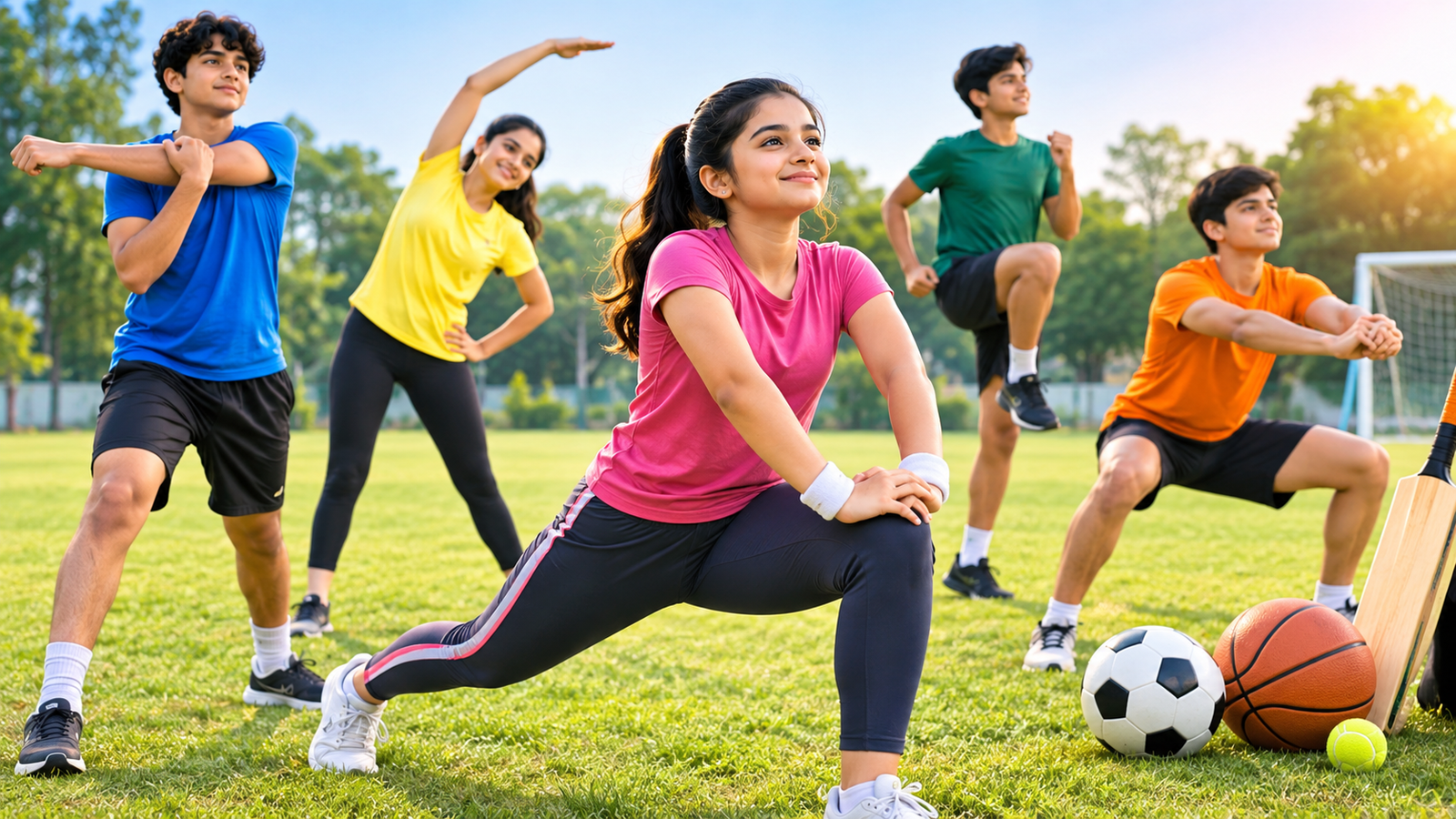
Whether a person plays football, cricket, badminton, basketball, tennis, or simply goes for a walk, physical activity can support good mental health. It gives people a chance to take a break from daily pressure and focus on something they enjoy.
Sports also teach useful life lessons. They help us accept failure, respect others, work as a team, and face difficult situations with courage. These lessons can make a person mentally stronger and more confident.
What Is Mental Health?
Mental health refers to how we think, feel, and act in our daily lives. It affects the way we deal with stress, make choices, build relationships, and face problems.
Good mental health does not mean that a person feels happy all the time. Everyone has bad days. People may feel sad, angry, nervous, or upset at times. These feelings are a normal part of life.
Good mental health means that a person can understand their emotions, deal with daily problems, and ask for help when needed. It also helps people build healthy relationships and enjoy life.
Mental health is just as important as physical health. A healthy body and a healthy mind work together. Sports can support both by help people stay active, meet others, and develop useful life skills.
How Sports Help Reduce Stress
Stress is a common part of modern life. Students may feel pressure before exams, while adults may face stress due to work or family duties. Too much stress can affect sleep, mood, focus, and health.
Sports can offer a simple way to deal with daily stress. When a person takes part in physical activity, the body releases chemicals called endorphins. These chemicals can help improve mood and reduce the feeling of pain.
A short game of football, a cycle ride, or a walk in the park can help a person feel more relaxed. Physical activity also gives the mind a break from daily worries.
For example, a student who feels stressed after a long day at school may feel better after a short game with friends. The activity gives them time to enjoy themselves and focus on something other than their schoolwork.
Sports cannot remove every problem from life, but they can help people deal with stress in a healthier way.
Sports Build Self-Confidence
Self-confidence means trust in your own abilities. It helps a person believe that they can face challenges and work towards their goals.
Sports can help build this quality through practice and effort. When a player learns a new skill, scores a goal, completes a race, or improves their performance, they feel proud of their progress.
These small achievements can create a sense of success. Over time, a person may start to trust their abilities more.
For example, a child who is afraid to play football may feel nervous at first. With regular practice and support from a coach, the child may learn to pass the ball, score goals, and take part in team activities. Each small success can help build confidence.
Sports also teach people to believe in themselves even after failure. A missed goal or a lost match does not mean that a person lacks talent. It is a chance to learn and improve.
This confidence can also help people at school, at work, and in their personal lives.
The Role of Sports in Emotional Strength
Emotional strength is the ability to understand and manage feelings during both good and difficult times. It helps people stay calm, make better choices, and face problems with courage.
Sports give people many chances to develop this quality. A player may feel happy after a win but sad after a loss. They may also feel nervous before an important match or upset after a mistake.
These experiences teach athletes how to manage their emotions. They learn that they cannot control every result, but they can control their effort and attitude.
For example, a tennis player may lose an important point during a match. Instead of lose focus or give up, the player must stay calm and prepare for the next point.
Such lessons can help people deal with difficult situations outside sports as well. They learn to accept mistakes, stay patient, and move forward.
How Sports Help Fight Loneliness
Loneliness can affect people of all ages. Some people may feel alone because they have few friends or spend most of their time by themselves. This can affect their mood and mental health.
Sports offer a good way to meet new people and build friendships. Team games such as football, cricket, basketball, and volleyball bring people together for a common purpose.
When people play as a team, they talk to each other, share ideas, and support one another. These simple actions can create strong bonds.
Even individual sports can help people meet others. A person who joins a badminton club, swimming class, or running group can meet people with similar interests.
Sports also give people a sense of belonging. They feel that they are part of a group where their efforts matter.
These social connections can help reduce feelings of loneliness and create a more positive daily life.
Sports Improve Focus and Concentration
Focus means the ability to pay attention to a task without too many distractions. It is important for students, workers, and athletes.
Sports can help improve focus because many games need quick decisions and full attention. Players must watch the ball, understand the situation, and decide what to do next.
For example, a cricket batter must watch the ball closely and decide when to hit it. A football player must keep an eye on teammates, opponents, and the ball at the same time.
These actions help train the mind to stay alert. Regular physical activity may also support memory and other brain functions.
For students, sports can be a useful part of a healthy daily routine. A short period of physical activity can help them feel fresh and return to their studies with better focus.
The Importance of Teamwork and Friendship
Teamwork is one of the most valuable lessons that sports teach. It means that people work together to reach a common goal.
In team sports, no single player can do everything alone. Each person has a role and must trust others to do their part.
For example, in football, a player cannot always score a goal without help from teammates. Good passes, clear communication, and mutual support are important for success.
Team sports also teach respect. Players must respect their teammates, coaches, opponents, and match officials. They learn that everyone has a role and that every person deserves fair treatment.
Friendship is another important benefit. People who play sports together often share happy moments, face challenges, and support each other.
These relationships can help improve social skills and create a sense of trust. They also teach people how to work with others in daily life.
Sports Teach Us How to Handle Failure
Failure is a part of life. No person wins every game or succeeds at every task. Even the best athletes face defeat at some point in their careers.
Sports help people understand that failure is not the end. A lost match can teach a player what went wrong and what they need to improve.
For example, a runner who does not win a race may learn that they need better stamina or a stronger training plan. A cricket player who gets out early may study their mistakes and work on their batting skills.
These lessons help people accept failure without loseing hope. They learn that success takes time, effort, and patience.
This attitude is useful in school, work, and personal life. When people face a problem, they can treat it as a chance to learn rather than a reason to give up.
The Role of Sports in Children’s Mental Health
Sports are especially useful for children because they support both physical and mental growth.
At a young age, children learn many important life skills through play. They learn how to share, follow rules, respect others, and work as a team.
Sports also help children develop confidence. When they learn a new skill or take part in a match, they feel proud of their efforts.
Physical activity can also help children manage their emotions. After a busy school day, a game with friends can help them relax and enjoy their free time.
Sports may also help children build better social skills. They get the chance to meet others, make friends, and learn how to communicate.
Parents and teachers should encourage children to take part in sports without too much pressure. The main aim should be health, enjoyment, and personal growth rather than medals or trophies.
Sports and Mental Health in Adults
Sports are not only for children and young people. Adults can also enjoy many mental health benefits from regular physical activity.
Work, family duties, and personal responsibilities can create stress. A simple exercise routine can help adults take a break from these pressures.
Activities such as walking, cycling, swimming, yoga, and team sports can support a better mood and improve sleep.
Sports can also help adults meet new people. A local sports club or fitness group can offer a chance to form friendships and enjoy a shared interest.
Even a short period of exercise each day can be useful. People do not need to become professional athletes to enjoy the mental health benefits of physical activity.
The most important thing is to choose an activity that suits their age, health, and fitness level.
How Sports Improve Sleep and Daily Mood
Good sleep is important for both physical and mental health. It helps the body rest and allows the brain to work well.
Regular physical activity can help improve sleep quality. People who stay active during the day may find it easier to rest at night.
Good sleep can also improve mood, memory, and focus. A well-rested person may find it easier to deal with daily challenges.
Sports can also create a more positive daily routine. A person who sets aside time for exercise may feel more active and organised.
However, very hard exercise just before bedtime may affect sleep for some people. It is often better to choose a suitable time for physical activity and allow the body to relax before bed.
Sports Develop Discipline and Patience
Discipline means the ability to follow rules and stay committed to a goal. Patience means the ability to wait and continue your efforts without loseing hope.
Both qualities are important in sports. An athlete must follow a proper routine, listen to the coach, and practise regularly to improve.
Results do not come in one day. A player may need weeks or months to learn a skill or improve their fitness. This teaches patience.
Sports also teach the value of time. Players must arrive at practice on time, follow instructions, and respect the rules of the game.
These habits can help people become more responsible in other areas of life. Students can use discipline in their studies, while adults can use it at work and at home.
Can Sports Replace Mental Health Treatment?
Sports can support good mental health, but they are not a replacement for medical care or professional help.
People who face serious stress, anxiety, depression, or other mental health problems may need support from a doctor, counsellor, or mental health expert.
Physical activity can be one part of a healthy care plan, but it may not be enough on its own. Every person has different needs, and the right type of help depends on their situation.
There should also be no pressure to take part in sports when a person feels unwell or does not enjoy a certain activity. Simple walks, gentle exercise, or other hobbies may be better choices for some people.
The most important thing is to care for both the body and mind and ask for help when needed.
How to Make Sports a Part of Daily Life
People do not need a large ground, costly equipment, or special training to enjoy the benefits of sports. Simple activities can be a good place to start.
A person can take a walk, cycle to a nearby place, play badminton with a friend, or join a local sports club. Students can take part in school games, while adults can choose activities that fit their daily routine.
It is best to start with a level of activity that feels comfortable. People can slowly increase the time and effort as their fitness improves.
Enjoyment is also important. When a person chooses a sport they like, they are more likely to stay active.
Family members, friends, schools, and local groups can help create a positive space where everyone feels welcome.
Conclusion
Sports play an important role in both physical and mental health. They help reduce stress, improve mood, build self-confidence, and develop emotional strength. They also teach useful lessons about teamwork, patience, discipline, friendship, and how to face failure.
From young children to adults, everyone can enjoy the benefits of physical activity. A simple game, a short walk, or a regular sports session can help create a healthier lifestyle.
It is important to remember that sports are not only about winning medals or becoming a champion. They are also about personal growth, happiness, and good health.
A strong mind is just as important as a strong body. By make sports a regular part of life, people can take better care of their mental health and face daily challenges with more confidence and a positive attitude.
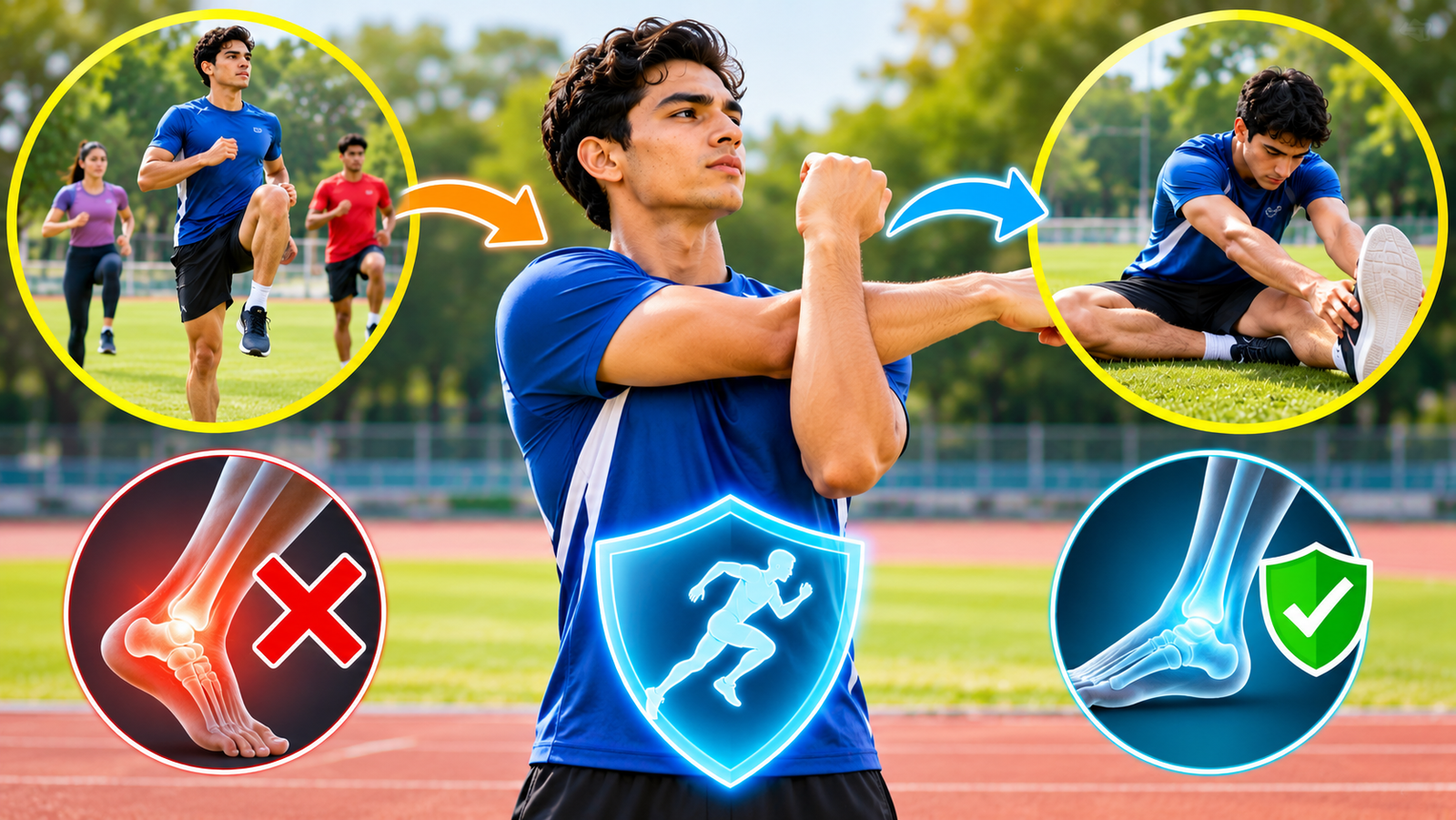
ALSO READ: Why Warm-Up Matters Before We Play Any Sport