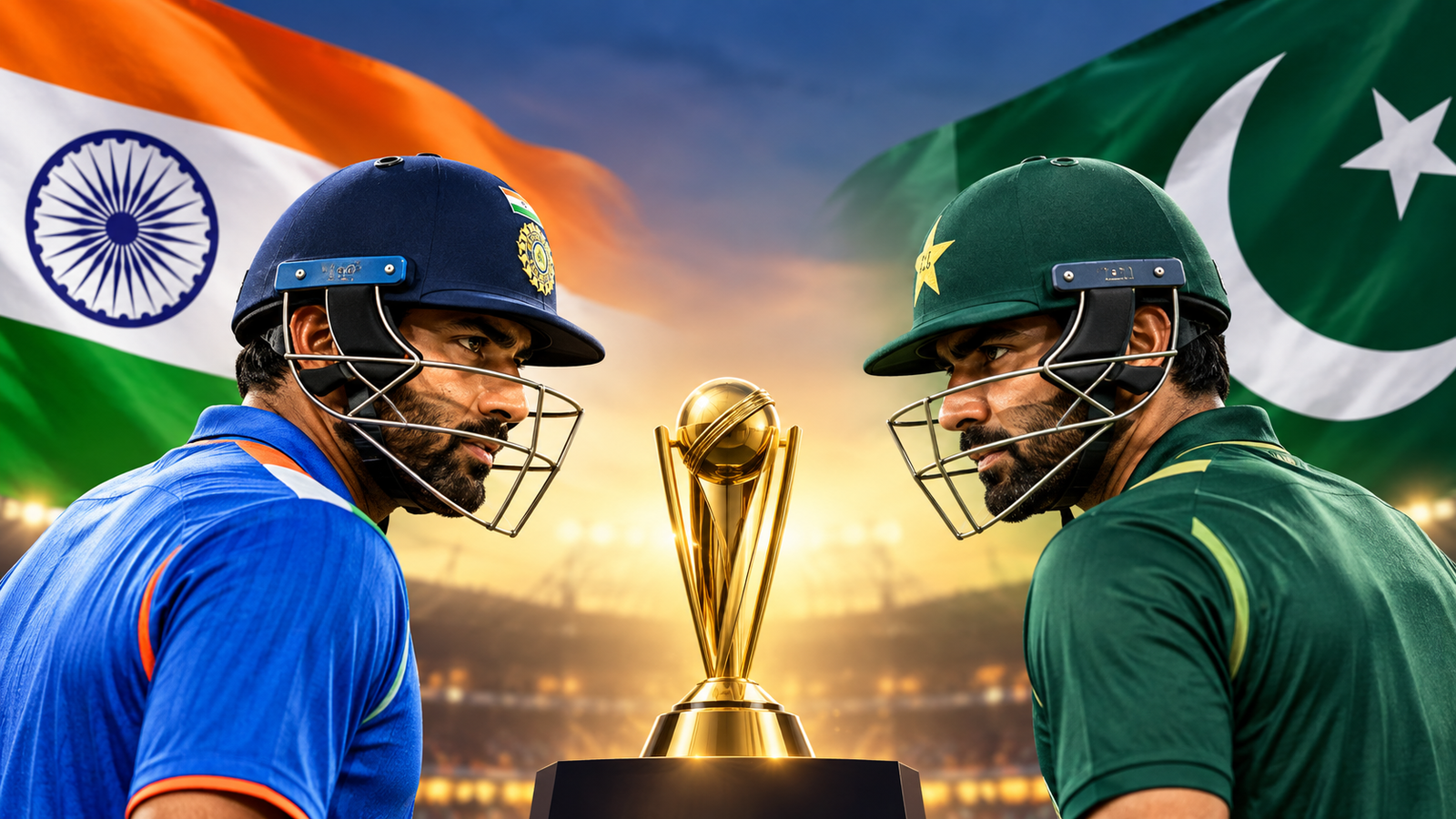








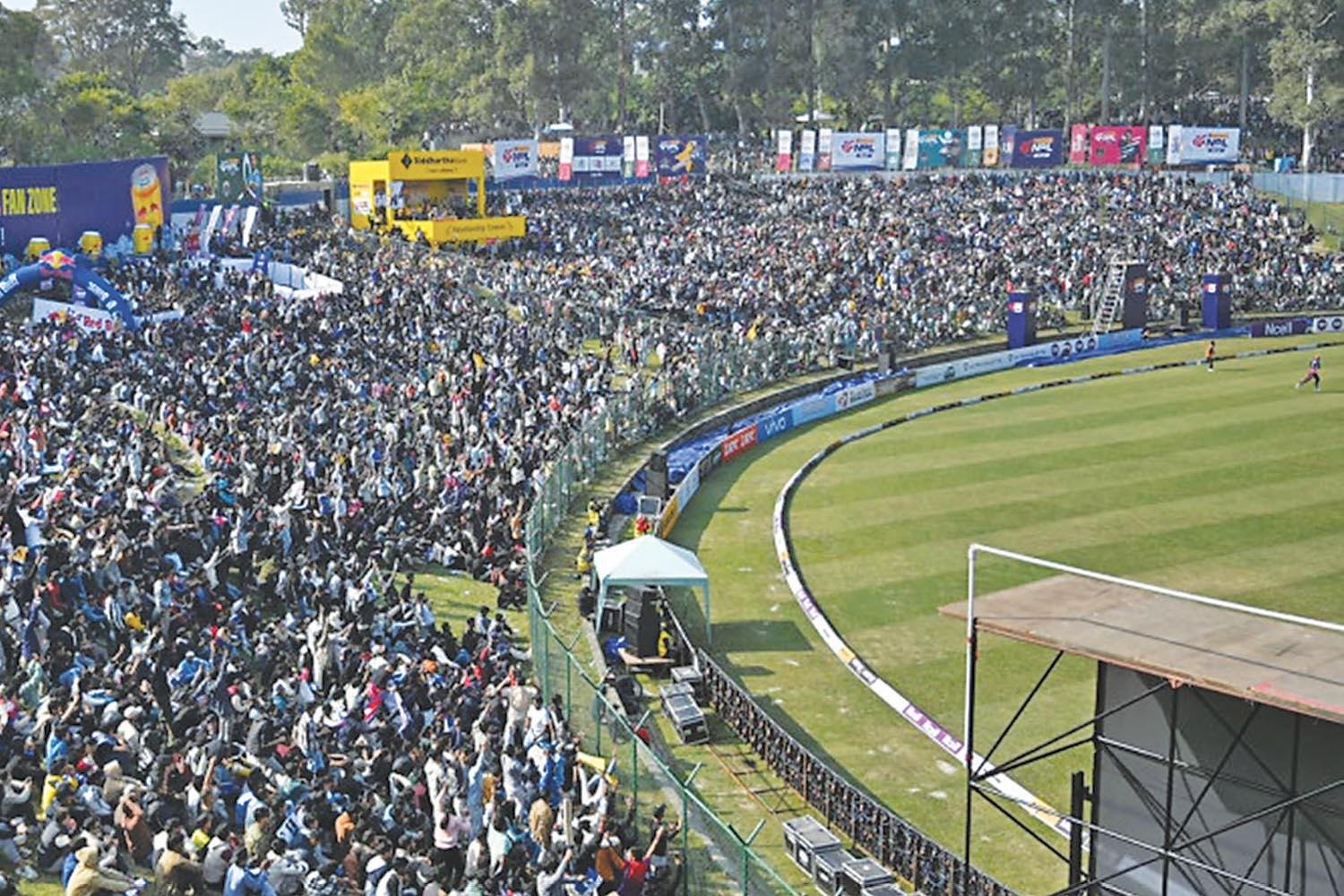
Japan is set for a special cricket match against India on September 22. The T20 game will be more than a contest between two teams. It will also show how sport can help build closer ties between two countries.
For Japan, the match is a major moment for cricket. India is one of the strongest teams in the sport, while Japan is still at an early stage of its cricket journey. A game against India gives Japan a rare chance to share the field with one of the biggest names in world cricket.
The match will also have a place in the wider relationship between Japan and India. Cricket is very popular in India, while Japan wants more people to learn about and play the sport. The game can help bring the two sides closer through a shared sporting event.
A first meeting with an ICC full member
The September 22 match will make history for Japan. It will be the first time Japan plays a T20 match against an ICC full member.
India has full-member status in the International Cricket Council, or ICC. Full members form the top group of cricket nations and have a long record at the highest level of the sport.
Japan has worked for years to develop cricket, but the game has a much smaller place in Japanese sport than baseball, football and other popular games. A match against India can give the sport a major boost.
The importance of this game is therefore not based only on the result. For Japan, the chance to face India itself is a big step.
India brings a huge cricket name
India has a special place in world cricket. The sport has millions of fans across the country, and major Indian cricket matches can attract huge audiences.
The Indian team also comes into the match with strong recent form. India’s men’s team are the current T20 world champions. That status makes the September 22 game an even bigger test for Japan.
For Japanese players, a match against India can offer a valuable lesson. They will face athletes who have experience at the highest level and who play T20 cricket under intense pressure.
The difference in experience between the two sides is clear. Yet that gap can also make the match useful for Japan. Every over, every delivery and every moment on the field can offer lessons for the country’s players.
Japan wants cricket to grow
Japan has a clear reason to take this match seriously. The country wants cricket to grow at home.
Cricket does not have the same history in Japan as it does in India, England, Australia or other major cricket nations. Baseball has a huge following in Japan, and football also has a strong place in the country’s sports culture.
That means cricket needs new ways to attract players and fans.
A match against India can help with that goal. Indian cricket has a huge global audience, so a game against India can put Japanese cricket in front of people who may not know much about the sport.
It can also give young Japanese players a reason to try cricket. A child who watches Japan play India may become curious about the game and later join a local club.
Sport can support diplomacy
The match also has a wider meaning because of the close relationship between India and Japan.
Both countries have built strong links in areas such as trade, technology, education and security. Sport can add another layer to that relationship.
Cricket offers a different way for people from the two countries to connect. Players can meet, compete and share time together. Fans can also learn more about each other’s sporting culture.
Japan is using the match as part of its wider sports diplomacy effort with India. The idea is simple: sport can help countries build friendship without the need for formal talks.
A cricket match may last only a few hours, but its effect can last much longer if it helps create new interest and contact between people.
Why T20 is a good choice
The match will use the T20 format, which is one of the shortest and most popular forms of cricket.
A T20 game has a limit of 20 overs for each team. This makes the sport faster and easier for new fans to follow than longer formats such as Test cricket.
For Japan, this format makes sense. A shorter match can hold the attention of people who are new to cricket. It also gives the country a chance to present the sport in a modern and easy-to-follow way.
India has also played a major role in the rise of T20 cricket. The format has become a huge part of the sport’s global appeal, with leagues and international matches drawing large audiences.
The September 22 contest can therefore introduce Japanese fans to one of cricket’s most exciting forms.
A big chance for Japanese players
For the Japanese team, the match will be a major test.
Facing India means the players will have to deal with high-quality bowling, batting and fielding. India’s depth also makes the challenge harder because the team has many players with experience at major international events.
Still, Japan does not need to view the match only through the final score.
The players can gain valuable experience from the contest. They can learn how top-level athletes prepare for a match, handle pressure and make quick decisions.
Even a difficult result could help Japanese cricket if the players use the experience to improve.
India can help raise Japan’s profile
India’s huge cricket audience could also help Japan reach new fans.
When India plays, people across the world pay attention. That gives Japan a chance to show its cricket facilities, players and local cricket culture to a much wider audience.
The match could help Japanese cricket attract more interest from young people, schools, clubs and sports groups.
It could also help Japan create more links with cricket bodies in India and other cricket nations.
Such links can help with coaching, player development and future matches. Over time, these connections could support the growth of cricket in Japan.
More than just one match
The September 22 game should not be seen as a single event with no future value.
Japan’s long-term aim is to make cricket a stronger part of its sports scene. One match against India cannot achieve that on its own, but it can act as an important step.
The country needs more local players, coaches, clubs and fans. It also needs regular international matches that give its team more experience.
A high-profile game against India can help create that path.
For India, the match is also a chance to support cricket in a country where the sport still has room to grow. India’s presence can help show Japanese audiences what the game can offer.
A match with a bigger purpose
The Japan-India T20 match on September 22 will be historic because it marks the first meeting between Japan and an ICC full member.
But the importance of the contest goes beyond that fact.
Japan wants cricket to grow. India brings enormous experience and global attention. Both countries also want to strengthen their relationship through sport.
That makes the game a useful example of how sport can connect people from different cultures.
The result will matter to both teams, but the bigger success for Japan could come after the final ball. If more Japanese fans discover cricket, more children pick up a bat or ball, and more links form between the two cricket communities, the match will have achieved something much bigger.
On September 22, Japan will face India in a game that could mark the start of a new chapter for Japanese cricket. For India, it will be another international contest. For Japan, it could become a moment that helps the sport take a much larger place in the country.
Also Read – The Psychology Behind the Perfect Difficulty Spike in Games