









Cricket is a game of skill, patience, hard work and teamwork. A Test match puts all these qualities to the test. Unlike T20 and ODI cricket, a Test match lasts up to five days. Players must stay calm, follow a clear plan and make good use of every chance. One poor session can change the course of the match.
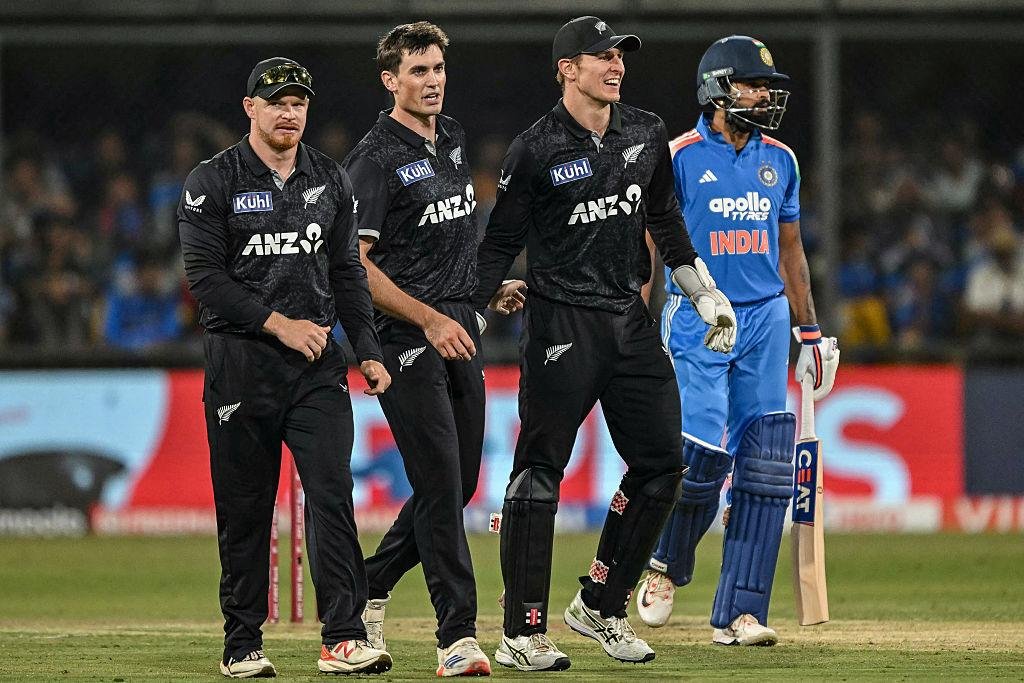
The second Test between India and New Zealand at Hagley Oval in Christchurch has shown why this format is so special. Both teams have had their share of success, but New Zealand have held the upper hand after the third day of play on 29 November 2026.
India had a tough time with the bat after New Zealand posted 356 runs in their first innings. The Indian team lost wickets at key moments and soon found itself under pressure. However, wicketkeeper-batter Dhruv Jurel gave the team a reason to fight back with a fine knock of 88 runs. His effort helped India reach 246 and avoid the follow-on.
New Zealand then took control once more with the bat. At the close of Day 3, the home side had 133 runs for the loss of three wickets in its second innings. Its total lead had reached 243 runs. With two days left, India face a hard task if they want to save the match.
A Look at the Match So Far
The second Test began on 27 November at Hagley Oval in Christchurch. India won the toss and chose to bowl first. The team hoped its fast bowlers could use the pitch and early weather conditions to trouble the New Zealand batters.
New Zealand scored 356 runs in their first innings. Their batters showed patience and made good use of their chances. Tom Blundell was the top scorer with 89 runs. He faced 211 balls and hit 10 fours. Tom Latham also made a useful 59 from 128 balls, while Glenn Phillips added 36 runs.
India’s fast bowlers had to work hard for each wicket. Akash Deep stood out with five wickets for 99 runs in 31.3 overs. Anshul Kamboj took two wickets, while Gurnoor Brar also claimed two. Washington Sundar took one wicket.
The New Zealand innings lasted 116.3 overs. This meant India had to spend a long time in the field before its own turn to bat. Such long spells can test the fitness and focus of a team. The bowlers must stay alert even after several hours of play.
India’s Difficult Start With the Bat
India needed a strong reply to New Zealand’s total of 356. However, the start was far from ideal. Yashasvi Jaiswal fell for a duck in the first over. Matt Henry took his wicket and gave New Zealand an early boost.
Devdutt Padikkal made 21 runs from 20 balls, but Kyle Jamieson sent him back to the pavilion. Shubman Gill scored 17, while Rishabh Pant made 23. KL Rahul added 25 runs from 80 balls.
The Indian batters could not build long partnerships. New Zealand’s pace attack made good use of the conditions at Hagley Oval. The ball moved off the pitch and made life hard for the Indian top order.
Washington Sundar scored 10 runs from 60 balls. His slow but careful effort showed the need to protect one’s wicket in a Test match. Yet, he could not stay at the crease for long enough to build a major stand.
India soon fell to 116 for six. The situation was serious. The team still had a large gap to close, and a few more quick wickets could have left it far behind.
Dhruv Jurel’s Brave Fight
At a time when India needed a calm head, Dhruv Jurel stepped up. The wicketkeeper-batter showed great patience and sound technique against the New Zealand bowlers.
Jurel scored 88 runs from 170 balls. His knock had 14 fours. He did not rush his shots or take needless risks. Instead, he watched the ball with care and chose the right time to attack.
His role was vital because India had lost six wickets for just 116 runs. He knew that one more quick collapse could put the team in a very weak position. He kept his focus and made sure that the lower-order batters had a partner at the other end.
Jurel first made a useful 46-run stand with Akash Deep for the eighth wicket. Akash scored 29 runs from 52 balls. This stand helped India cross the follow-on mark.
After Akash Deep lost his wicket, Jurel found support from debutant Gurnoor Brar. The two added 64 runs for the ninth wicket. Brar made 10 runs from 46 balls. His main task was to stay at the crease and give Jurel time to score.
This was a fine example of teamwork. Jurel did not need every partner to score at a fast rate. He needed them to stay calm, defend well and take the runs that were on offer.
Jurel came close to a century, but Kyle Jamieson dismissed him for 88. He was caught behind by Tom Blundell. His effort had already helped India avoid a follow-on and reach a better position than the score of 116 for six had once suggested.
New Zealand’s Bowlers Make Their Mark
New Zealand’s fast bowlers played a major role in India’s poor start. Kyle Jamieson was the best of the lot. He took four wickets for 69 runs in 25.1 overs.
Matt Henry took two wickets for 58 runs, while Nathan Smith claimed two for 54. Jacob Duffy also took two wickets for 57 runs.
Jamieson’s height helps him create extra bounce. He can make the ball rise from a good length and force batters to adjust their shots. This can be a major threat on a pitch that offers help to fast bowlers.
Henry used his pace and control to put pressure on the Indian top order. Duffy also made good use of the conditions. The bowlers worked as a unit and did not allow India to score freely.
Their effort is a lesson in the value of a clear plan. Fast bowlers do not always need to bowl at their top speed. They must find the right line and length, create pressure and wait for the batter to make a mistake.
What Is a Follow-On in Test Cricket?
One of the key parts of this match was India’s effort to avoid the follow-on. For new cricket fans, this rule may seem a little hard to understand.
In a five-day Test match, the team that bats first can ask the other team to bat again if it has a lead of at least 200 runs after the first innings. This is called the follow-on.
New Zealand scored 356 runs in their first innings. India needed at least 157 runs to stay within 199 runs of that total and avoid the follow-on.
India reached 246, which meant it had a gap of 110 runs. New Zealand therefore had a 110-run lead after the first innings.
The follow-on rule matters because it can put extra pressure on the team that bats second. That team may have to bat twice in a row, with little rest for its players. It can also give the team that bats first more time to force a result.
Jurel’s 88 was very useful in this respect. Without his effort and the support from Akash Deep and Gurnoor Brar, India could have faced a much harder task.
New Zealand Build a Strong Lead
After India were all out for 246, New Zealand began their second innings with a lead of 110 runs. The home side had a chance to build a much larger advantage.
Jasprit Bumrah gave India an early boost by dismissing New Zealand captain Tom Latham for eight. It was an important wicket because Latham is a key part of the home side’s top order.
Bumrah then removed Henry Nicholls for 22. He took two wickets for 34 runs in 12 overs by the close of play.
Devon Conway made 51 runs from 97 balls. He hit six fours and gave New Zealand a useful start. However, Washington Sundar dismissed him after Yashasvi Jaiswal took a fine catch.
Rachin Ravindra was not out on 46 from 84 balls at the end of the day. Daryl Mitchell was not out on five from 38 balls. The pair added an unbeaten 40 runs for the fourth wicket.
New Zealand ended Day 3 at 133 for three in 46 overs. Its total lead stood at 243 runs. This gave the home team a strong position with two days left in the match.
Why Jasprit Bumrah’s Role Matters
Jasprit Bumrah is one of India’s key fast bowlers. His action, control and ability to bowl at different speeds make him a major threat to batters.
In the first innings, he did not take a wicket. That does not mean he had no role to play. Fast bowlers can create pressure even when they do not take wickets. A good spell can force batters to defend more often and make mistakes at the other end.
On Day 3, Bumrah broke his wicket drought with the dismissals of Latham and Nicholls. His two wickets gave India some hope after a tough day with the bat.
His task is now even more important. India need early wickets if they want to stop New Zealand from set a huge target. Bumrah must use his pace and control, while the other bowlers must support him with tight spells.
Akash Deep’s Injury Adds to India’s Worries
India also faced a setback when Akash Deep was hit on the helmet by a delivery from Kyle Jamieson. The incident took place while he was at the crease in India’s first innings.
The medical team assessed him, and Prasidh Krishna came in as his concussion substitute. Akash Deep had been India’s top bowler in the first innings, with five wickets for 99 runs.
His absence is a concern because he had already shown that he could trouble the New Zealand batters. Prasidh Krishna now has a key role to play in the rest of the match.
A concussion substitute rule helps protect a player after a head injury. A team can use a replacement if the match referee approves the request under the rules. The aim is to protect the player’s health and allow the match to continue in a fair way.
The Importance of Pitch and Weather
The Hagley Oval pitch has offered help to fast bowlers. A green surface can give seamers extra movement and bounce. This makes it hard for batters to judge the ball, especially at the start of an innings.
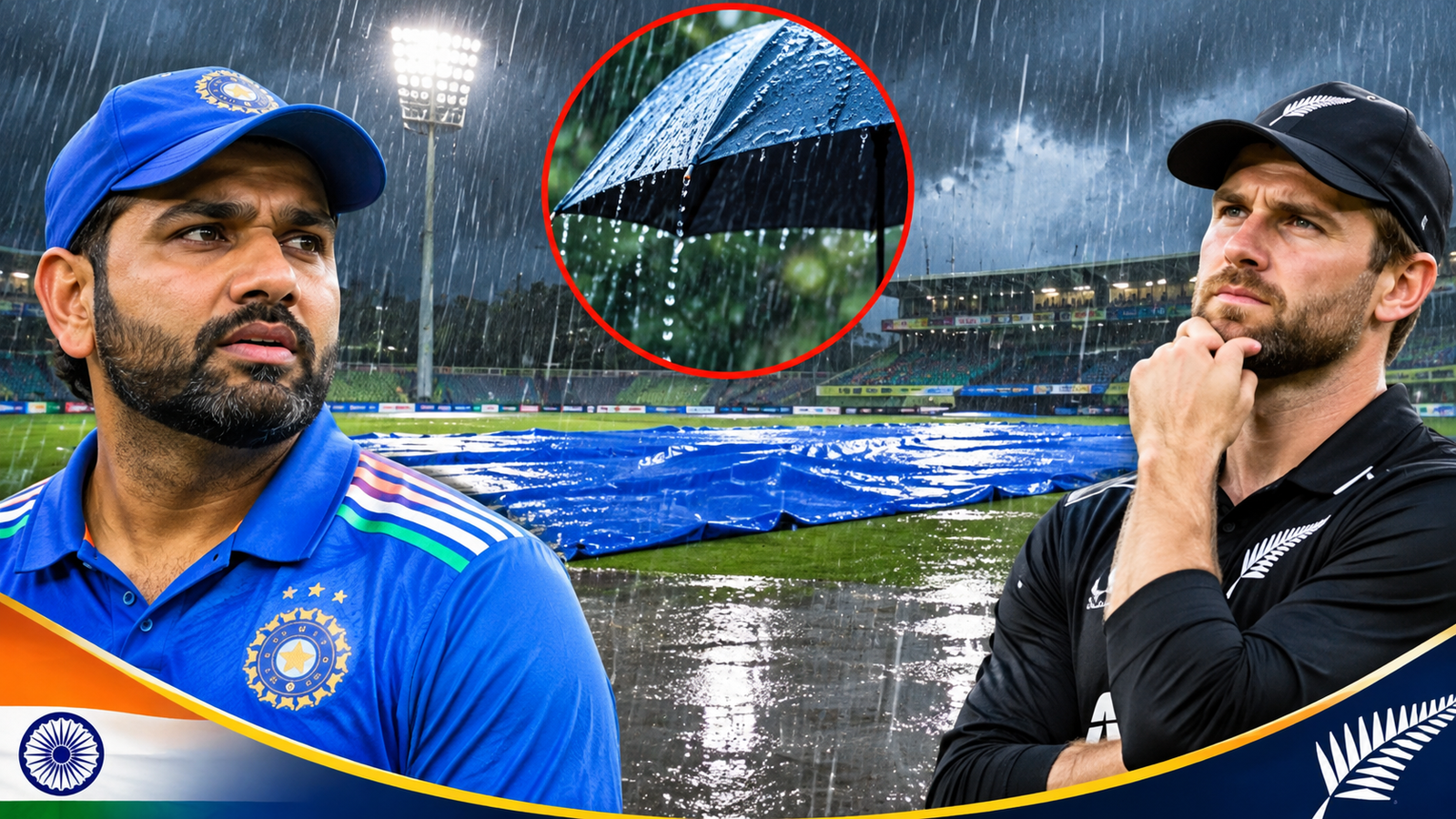
The weather also has a role in Test cricket. Cloud cover can help fast bowlers find swing in the air. Rain can reduce the time available for play and may affect the final result.
There are reports of rain as a possible threat on the fifth day. This could matter a great deal if India hope to save the match. Even a strong effort with the ball may not be enough if rain takes away key hours of play.
Both teams must also read the pitch as the match moves ahead. A surface can change over five days. Cracks may appear, the bounce may become uneven, and the ball may behave in a different way.
What India Must Do Next
India need a clear plan for the next two days. The first task is to take wickets early in New Zealand’s second innings. The bowlers must keep a tight line and avoid loose deliveries.
The team must also use its field well. Good field places can cut off easy runs and make batters take risks. Every chance matters in a Test match.
If India can dismiss New Zealand for a modest total, the target may remain within reach. The batters must then show far more care than they did in the first innings. They need long partnerships and fewer loose shots.
Shubman Gill, KL Rahul, Yashasvi Jaiswal and Rishabh Pant will all have key roles if India get another chance to bat. They must learn from the first innings and make better use of the conditions.
Lessons for Young Cricketers
This Test match offers many useful lessons to young players. The first is that patience can be as valuable as power. Jurel did not try to score every ball. He knew when to defend and when to attack.
The second lesson is the value of partnerships. Jurel’s work with Akash Deep and Gurnoor Brar helped India avoid the follow-on. Even a batter who scores only a few runs can make a major difference to the team.
The third lesson is the need for good technique. Batters must watch the ball, move their feet and play close to their body when fast bowlers create extra bounce or seam movement.
Bowlers can also learn from New Zealand’s attack. A good line, a steady length and a clear plan can create pressure. A bowler must not lose focus after a few quiet overs.
Most of all, this match shows that Test cricket is a game of small battles. A single wicket, a useful partnership or one fine spell can change the course of a match.
Conclusion
The second Test at Christchurch has been a hard test for India. New Zealand scored 356 in their first innings, while India managed 246. Dhruv Jurel’s 88 was the main reason India avoided the follow-on and kept the score within reach.
New Zealand then made 133 for three in their second innings and took their total lead to 243 runs by the end of Day 3 on 29 November 2026.
India still have two days to fight back, but the task is not easy. The bowlers must take quick wickets, and the batters must show more care if they get another chance.
The match is a clear lesson in the true nature of Test cricket. It is not only about big scores or fast wickets. It is also about patience, smart choices, teamwork and the will to fight when the odds are against you. Jurel has shown that one player can help a team recover from a difficult position. Now India need the same spirit from the rest of the side.
ALSO READ: Sports Nutrition and Hydration for Better Performance