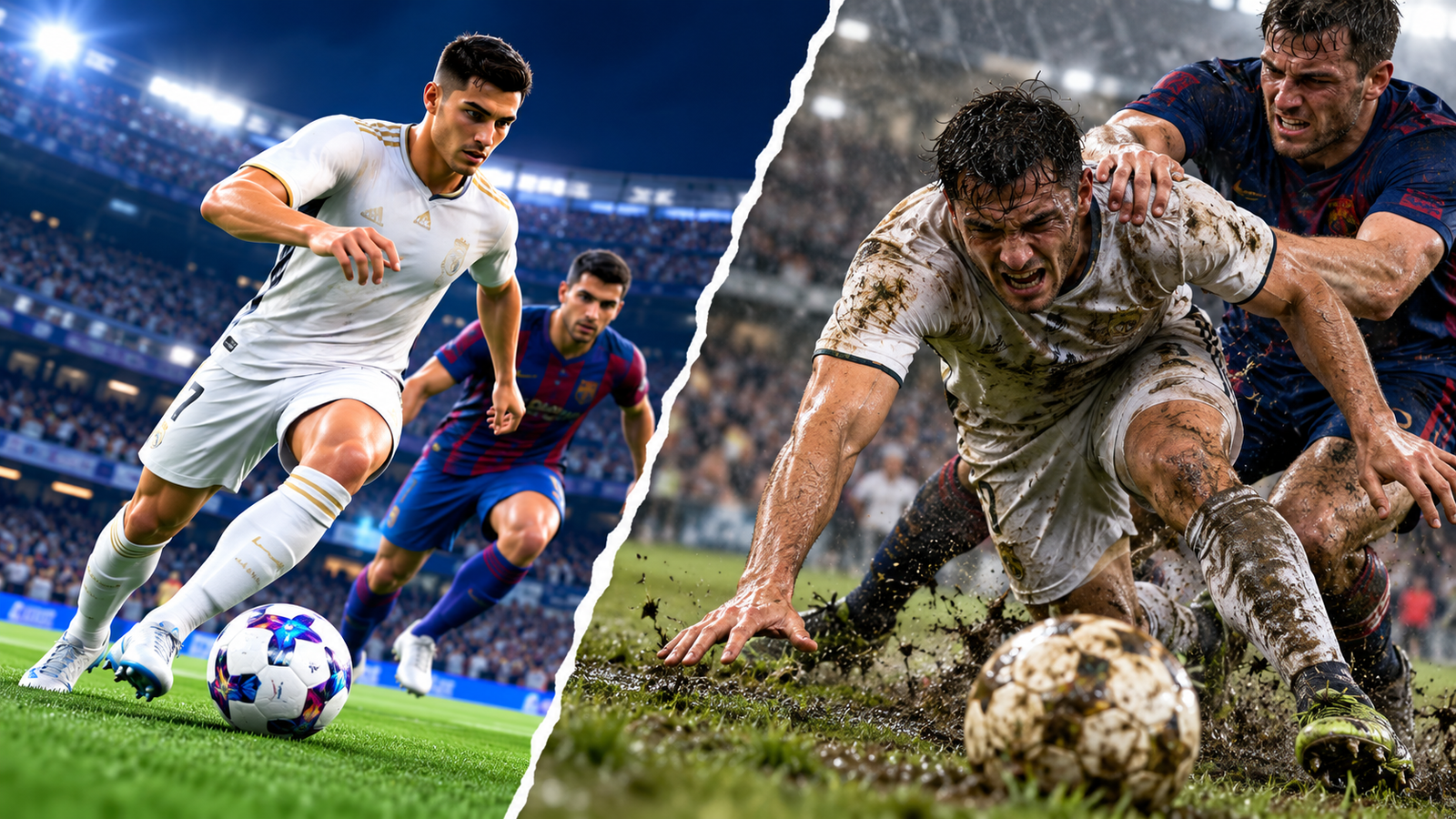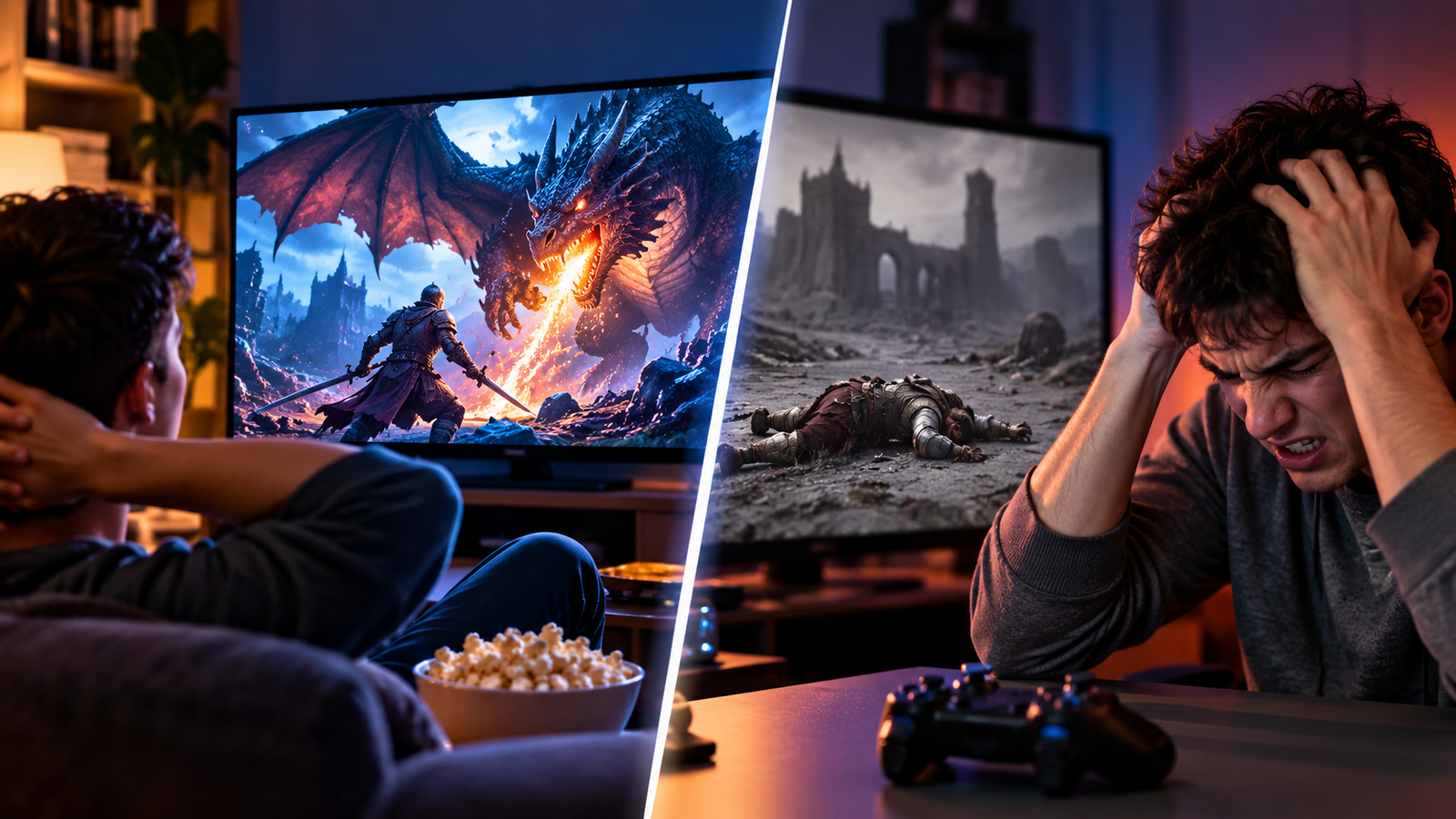








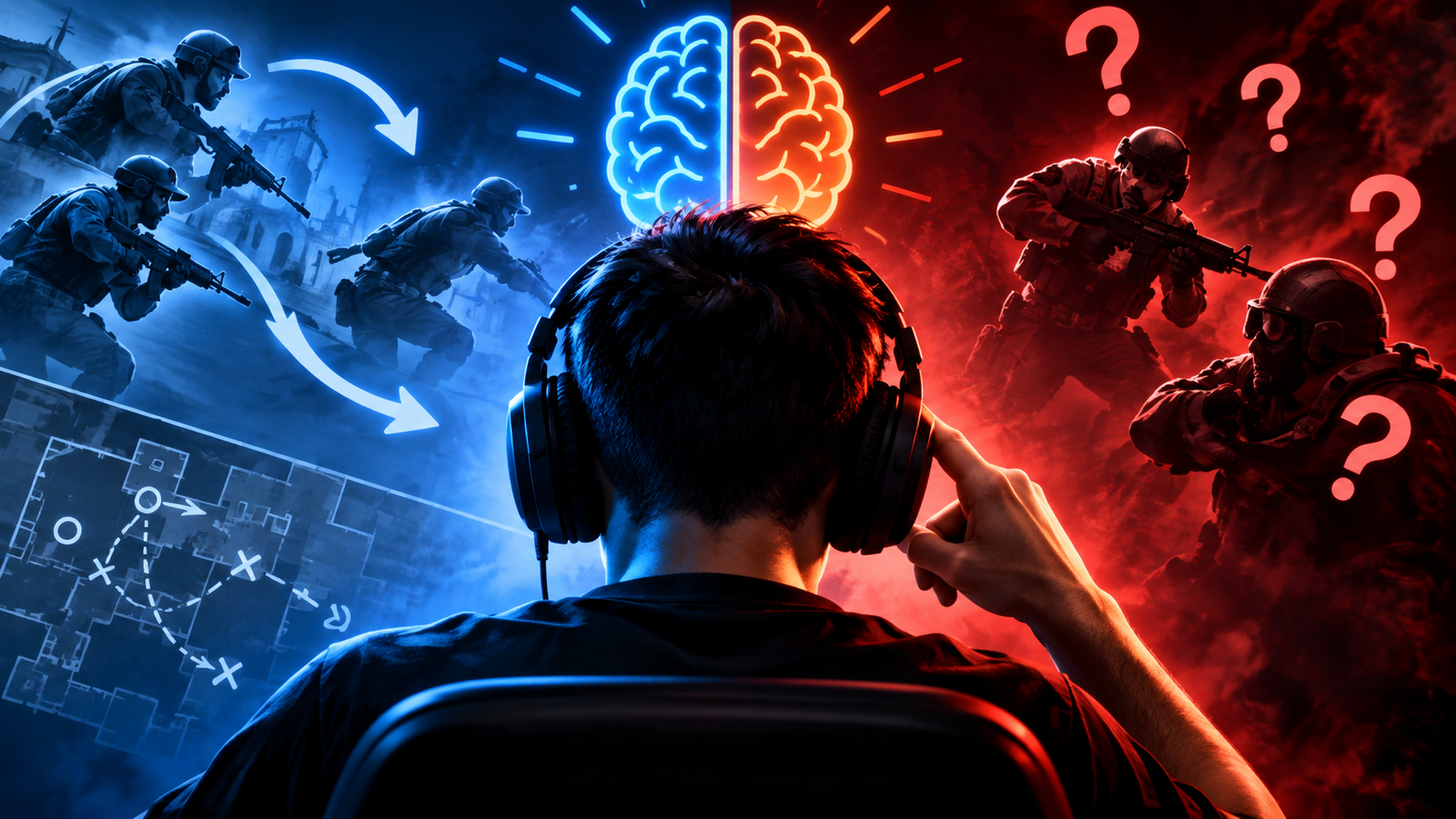
Competitive gaming looks simple from the outside. A player picks a game, learns the controls, plays matches, and tries to win. But at a high level, things are very different. Small choices can decide an entire match. A single mistake can change the result. A player may have great aim, fast reactions, and strong mechanics, yet still lose to someone who seems less skilled.
One skill often sits behind these wins: adaptation.
Adaptation is the ability to notice what is happening, understand why it matters, and change your plan when the situation calls for it. It may not look as impressive as a fast headshot or a perfect combo, but it can have a huge effect on a match.
Why Adaptation Matters So Much
Every competitive game has patterns. Players have habits. Teams have set plays. Certain weapons, characters, maps, and strategies work better than others. Good players learn these details and use them to their advantage.
The problem is that no strategy works forever.
An opponent may learn your habits. A team may change its plan after losing the first few rounds. A new patch may make your favorite character weaker. A map may force you to use a different style. Even a small change in the match can make an old plan less useful.
This is where adaptation becomes important.
A player who follows one plan no matter what can become easy to read. A player who can change their approach has more ways to win. They do not need to have the perfect answer before the match starts. They can find the answer as the match develops.
Good Mechanics Are Not Enough
Mechanics are a major part of competitive gaming. Aim, movement, timing, reactions, combos, and control all matter. A player with strong mechanics can often win difficult situations.
But mechanics alone do not guarantee success.
Imagine a player with excellent aim. They know exactly how to shoot and move. Yet their opponent keeps taking fights from places where that aim has less value. If the player does not change their approach, their mechanical skill may not save them.
The same idea applies to almost every competitive title.
A player can have perfect execution but poor decisions. They can know every weapon or character but fail to understand when to use them. They can have fast reactions but react to the wrong threat.
Adaptation connects mechanics with decisions. It helps a player use their existing skills in a way that fits the current situation.
Reading Your Opponent
One of the clearest forms of adaptation comes from reading the other player.
Most people have habits, even if they do not notice them. A player may attack from the same side often. They may use the same ability after a certain move. They may become more aggressive after a loss. They may play very safely when they have an advantage.
These small details can reveal a pattern.
A strong player notices these habits and changes their response. If an opponent always takes the same route, a player can prepare for it. If an enemy uses a certain move at the same time, the player can expect it. If a team keeps defending one area, another area may become the better target.
This does not require magic game sense. It comes from close attention.
The more information a player collects, the more useful their decisions become.
Learning From Your Mistakes
Adaptation also means accepting that your first idea may be wrong.
This can be difficult. After a loss, many players blame their teammates, bad luck, poor matchmaking, or the game itself. Sometimes those factors really do matter. But they do not always explain the full result.
A better question is simple: What could I have done differently?
Maybe a player took the same fight too many times. Maybe they used an important ability too early. Maybe they failed to protect a teammate. Maybe they kept using a strategy that their opponent had already learned.
The goal is not to blame yourself for every mistake. The goal is to find useful information.
A mistake becomes valuable when it teaches you something. If you make the same mistake again without a change in your approach, the first mistake gave you little value. If you learn from it and make a better choice next time, it becomes part of your growth.
Adaptation During a Match
The best part about adaptation is that it can happen before the match ends.
A player does not have to wait for the next game to make a change. They can adjust after one round, one fight, or even one mistake.
Suppose an opponent wins three fights because you always approach from the same position. You now have information. You can take a different route, wait for the opponent to move first, or force them into a less comfortable fight.
The same applies to team games.
If one plan keeps failing, the team can slow down. If the enemy expects a slow attack, the team can move faster. If one player on the other team is carrying the match, the team can change its focus.
Small changes can have a large effect.
Staying Calm Helps You Adapt
Adaptation is not only about game knowledge. It also depends on your mental state.
A frustrated player often makes the same mistake again and again. After a bad round, they may rush into the next fight because they want to recover the lost advantage. That can create even more problems.
A calm player has a better chance to notice what the match requires.
They can lose a round and still think clearly. They can see an opponent make a smart play without becoming angry. They can change their plan without feeling that they have failed.
This is one reason mental control matters so much in esports.
You do not need to feel calm all the time. Competitive matches create pressure. What matters is your ability to make useful decisions even when things go badly.
Adapting to the Meta
Competitive games also change outside individual matches.
Developers release patches. Characters get stronger or weaker. Weapons change. Maps receive updates. New strategies become popular. Players discover better ways to use old tools.
The meta can change quickly.
A player who refuses to change may fall behind. A player who studies new changes can find new advantages.
This does not mean you must copy every popular strategy. Sometimes an unusual style works because opponents do not expect it. The important part is understanding why the meta has changed and deciding what fits your own play.
Adaptation does not mean blindly following others. It means making smart changes based on new information.
How Great Players Think
The best competitive players often ask questions during a match.
What is my opponent trying to do?
Why did that last play work?
What do they expect me to do now?
What can I change?
These questions help turn a match into a constant learning process.
Great players are not always ahead because they know everything. They are often ahead because they learn faster. They collect information, test ideas, notice results, and change their plan.
That creates a major advantage over time.
Why This Skill Is Underrated
Adaptation is less visible than mechanical skill.
A perfect shot is easy to notice. A fast reaction creates an exciting moment. A difficult combo looks impressive. Adaptation can be much quieter.
Sometimes it looks like a player simply stopped making the same mistake.
Sometimes it is a small position change.
Sometimes it is a decision to wait instead of attack.
Sometimes it is a team that notices a pattern and changes its entire plan.
These moments may not appear in highlight clips, but they can decide matches.
The Real Competitive Advantage
At the highest level, many players have strong mechanics. Many know the maps. Many understand the meta. Many have spent thousands of hours with their chosen game.
The difference can come from how quickly they respond to change.
A player who can adapt has more options. They are harder to predict. They can recover from bad starts. They can respond to new strategies. They can learn from losses and improve after each match.
That makes adaptation more than a useful skill. It becomes a competitive advantage.
Final Thought
Competitive gaming is not only about being faster, stronger, or more accurate. It is also about understanding what the match needs at that exact moment.
A good player may have a strong plan.
A great player knows when to leave that plan behind.
That is the real power of adaptation. It helps players turn mistakes into lessons, changes into opportunities, and difficult situations into new paths to victory.
In a world where everyone can practice mechanics and study the meta, the player who can learn, adjust, and respond faster than the opponent can gain the edge.
Adaptation may not always create the biggest highlight.
But very often, it creates the win.