








Modern sport is no longer based only on what a coach can see on the field. A player may look fit, run fast, and finish every drill, yet still carry a high level of fatigue. That gap has created a new race in sports technology: the race to build smarter athlete tracking.
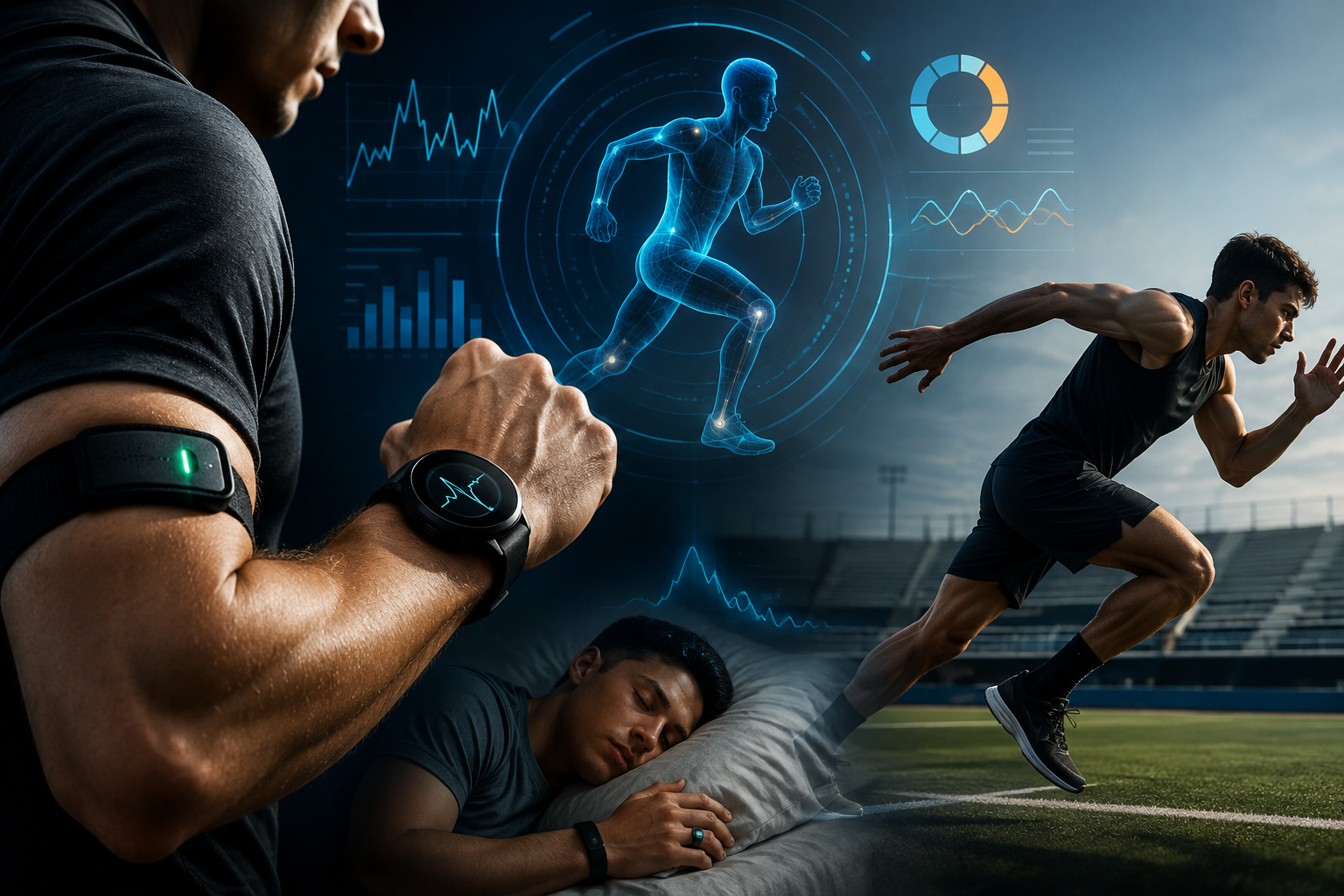
Teams now have access to more data than ever. Wearable devices can track heart rate, movement, sleep, distance, speed, and other body signals. Some systems can also study recovery and stress. The goal is simple. Give athletes and coaches a clearer view of what happens inside the body, not just what happens during a match or practice.
But more data does not always mean better decisions. The real challenge is to turn a huge amount of information into a clear answer: Is the athlete ready to train hard today, or does the body need more rest?
From Basic Numbers to a Full Athlete Picture
The first wave of sports trackers focused on simple numbers. Distance was one of the main measures. Speed, steps, heart rate, and calories soon became common too.
These numbers gave coaches a useful view of physical work. A football player, for example, could show how far they ran during a match. A runner could check pace and heart rate. A basketball player could track jumps, movement, and total load.
Yet these numbers tell only part of the story.
Two athletes can complete the same workout and feel very different the next morning. One may feel fresh, while the other may have poor sleep, high stress, muscle soreness, or a body that has not fully recovered.
This is where athlete tracking has started to change.
Recovery Has Become a Key Focus
For years, athletes often used basic signs to judge recovery. They looked at muscle soreness, energy levels, sleep, and general mood. Those signs still matter, but sports technology now tries to add more objective data.
One important measure is heart rate variability, often called HRV. It looks at the small changes in time between heartbeats. HRV can offer clues about the state of the nervous system and how the body may respond to stress.
HRV is not a simple score that can tell an athlete exactly what to do. A low number does not always mean an athlete must rest, and a high number does not always mean the body is ready for maximum effort. Personal baselines, sleep, stress, illness, travel, and training load all matter.
That is why smarter systems focus on trends rather than one reading.
The Rise of Wearable Technology
Wearable technology has pushed this market forward at a rapid pace. Athletes can now use watches, rings, chest straps, GPS units, and other small devices to collect data throughout the day.
The biggest change is not the device itself. It is the amount of information it can collect.
A modern athlete may produce data during a workout, during sleep, and during normal daily life. A system can then compare those signals with past results.
This creates a more complete picture. A coach may see that an athlete had a high training load for several days, slept less than normal, and now shows a change in recovery data. That information may support a lighter session before a major problem appears.
The technology does not replace a coach. It gives the coach another source of evidence.
The Race Is Also About Better Software
Hardware is only one part of the race. The bigger battle may be inside the software.
A device can collect thousands of data points, but athletes do not need thousands of numbers on a screen. They need useful answers.
This has led sports technology companies to focus on dashboards, scores, alerts, trends, and simple reports. The aim is to turn complex data into something a coach can understand within seconds.
Artificial intelligence may push this process further. A smart system can compare current data with past patterns and find changes that a person may miss.
However, trust remains important. Coaches need to know why a system gives a certain result. If an app says an athlete has poor readiness, the coach should have access to the main reasons behind that result.
More Data Can Also Create Problems
The growth of athlete tracking brings a clear risk: data overload.
If every athlete has dozens of scores, graphs, alerts, and reports, the extra information may make decisions harder rather than easier.
There is also a question about accuracy. Wearable devices are not perfect. Readings can change because of device position, skin contact, movement, battery level, or other factors. A single unusual result should not become a major decision without context.
Privacy is another major issue.
Athlete data can reveal sensitive information about health, sleep, stress, habits, and physical condition. Teams need clear rules about who can access this information, how long they keep it, and how they use it.
The Goal Is Not to Track Everything
The future of athlete tracking may not belong to the company that collects the most data. It may belong to the company that makes the data easiest to use.
A good system should answer practical questions.
Is the athlete ready for a hard session? Has the recent workload become too high? Has recovery changed from the normal level? Is there a pattern that deserves attention?
These questions matter more than a long list of numbers.
The best technology should also respect the human side of sport. Athletes are not machines. Their performance can change because of confidence, pressure, travel, family issues, competition, and many other factors that a sensor cannot fully measure.
Where the Market Goes Next
The next phase of athlete tracking will likely bring data from several sources into one picture. Training load, sleep, heart data, movement, recovery, and performance may sit within the same system.
That could help teams make better choices before, during, and after training. It could also help athletes understand their own bodies in a much clearer way.
But technology will not remove uncertainty from sport. No device can predict every injury or guarantee peak performance. Data works best as a guide, not as a final answer.
The real race, then, is not simply to build a smaller sensor or collect a larger amount of data. It is to build a system that understands context.
That is the future of smarter athlete tracking: fewer confusing numbers, better signals, and clearer decisions. When technology can turn complex body data into simple, useful insight, it can become a powerful tool for athletes and coaches alike.
The winners in this race may not be those who track the most. They may be those who understand what the data actually means.
ALSO READ: 10 Science-Backed Weight Loss Tips That Really Work Fast