









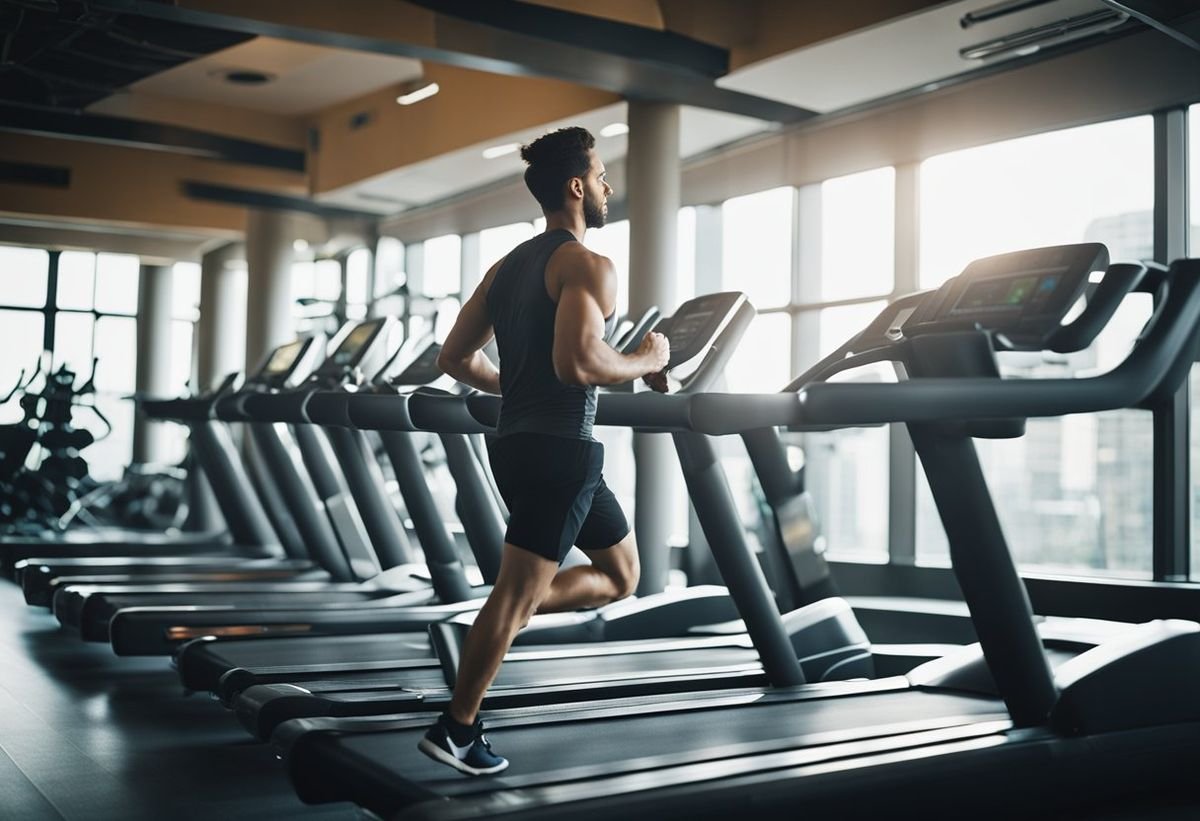
Many people enter the gym with good motivation but lose energy very quickly. Some feel weak after only a few exercises. Others struggle to finish workouts that once felt easy. Even after regular exercise, the body may still feel heavy, slow, and exhausted.
This problem is very common.
Most people think gym tiredness happens because they are lazy or unfit. But the real reason is often much deeper. Your body may lack sleep, proper food, recovery, water, or balance. Stress, poor habits, and even mental pressure can also drain energy before a workout even begins.
Feeling tired at the gym does not always mean you need more exercise. Sometimes your body asks for better care.
Poor Sleep Drains Your Energy
Sleep is one of the biggest reasons behind gym fatigue.
During sleep, the body repairs muscles, restores energy, and balances hormones. Without enough rest, the body cannot recover properly. This leads to weakness, low stamina, and slow movement during workouts.
Many adults sleep late because of work, phones, or stress. Even if they stay in bed for seven hours, poor sleep quality can still affect energy.
Lack of sleep also lowers focus. Exercises may feel harder because the brain and muscles fail to work together properly.
The body produces less energy when sleep remains poor for many days.
Good sleep is just as important as exercise itself.
Your Body May Not Get Enough Fuel
Food gives the body energy for workouts. Without proper nutrition, the muscles feel weak and tired.
Many people skip meals before the gym because they fear weight gain. Others eat unhealthy food with low nutrition. Both situations can reduce workout performance.
The body needs carbohydrates for quick energy and protein for muscle support. Healthy fats also help hormone balance and stamina.
Without enough nutrients, the body struggles during exercise.
Some people drink only coffee before workouts. Caffeine may give short energy, but it cannot replace real nutrition.
A balanced meal before exercise often improves strength and endurance.
Dehydration Makes Workouts Harder
Water affects almost every function in the body.
Even mild dehydration can reduce strength, focus, and stamina. Muscles may cramp more easily. The heart also works harder during exercise when the body lacks fluids.
Many people forget to drink enough water throughout the day. Some only drink water during workouts, which may not be enough.
Sweat causes further fluid loss during exercise.
Signs of dehydration include headaches, dizziness, dry mouth, weakness, and low energy.
Proper hydration supports blood flow, muscle function, and recovery.
Too Much Stress Hurts Gym Performance
Mental stress affects physical energy more than many people realize.
Work pressure, money worries, relationship problems, and daily responsibilities can exhaust the mind. This mental fatigue often enters the gym as physical weakness.
Stress raises cortisol levels in the body. High cortisol can reduce muscle recovery and increase tiredness.
A stressed body stays in survival mode. It struggles to perform at full strength during workouts.
Many people try to push harder at the gym while their mind and nervous system already feel exhausted.
Exercise helps reduce stress, but too much emotional pressure can still lower energy.
You May Train Too Hard Without Recovery
More exercise does not always mean better results.
Some people train very intensely every day without proper rest. They believe nonstop workouts will help them become fit faster. But the body needs recovery time to repair muscles and restore energy.
Without recovery, fatigue builds up slowly.
This condition is sometimes called overtraining. The body feels constantly tired, sore, and weak. Motivation also drops.
Signs may include poor sleep, muscle pain, mood changes, and reduced strength.
Rest days are not laziness. They help the body become stronger.
Balanced training often gives better long-term results than nonstop hard exercise.
Low Iron Levels Can Cause Weakness
Iron helps carry oxygen through the blood. Low iron levels can lead to tiredness and poor stamina.
This problem is common, especially in women.
When the body lacks iron, muscles receive less oxygen during workouts. As a result, exercise feels harder than normal.
People with low iron may feel breathless, dizzy, cold, or weak very often.
Poor diet, blood loss, or certain health conditions may cause low iron levels.
A doctor can confirm this through a blood test.
Healthy iron-rich foods include spinach, beans, red meat, eggs, and lentils.
Your Pre-Workout Habits Matter
What you do before exercise affects workout energy.
Many people rush to the gym after long work hours, poor meals, or stressful days. The body may already feel exhausted before the workout begins.
Some people also depend too much on energy drinks or supplements. These may give temporary energy but can later lead to crashes and tiredness.
A healthy pre-workout routine helps the body prepare for exercise.
Light meals, proper hydration, enough sleep, and calm breathing before workouts can improve energy naturally.
Lack of Muscle Strength May Cause Early Fatigue
People new to exercise often feel tired quickly because their muscles still lack strength and endurance.
This is normal in the beginning.
The body needs time to adapt to physical activity. Muscles become stronger slowly through regular training.
Many beginners compare themselves with experienced gym members and feel discouraged.
Fitness takes patience.
As strength improves, the body handles exercise more easily and energy levels rise.
Poor Breathing Reduces Stamina
Many people breathe incorrectly during workouts without realizing it.
Short and fast breathing can reduce oxygen supply to muscles. This may cause dizziness, weakness, or early fatigue.
Proper breathing supports stamina and focus.
Slow and controlled breaths during exercise help the body perform better.
Some people hold their breath during difficult exercises, which increases pressure and reduces oxygen flow.
Better breathing habits can improve workout performance more than expected.
Your Mindset Also Affects Energy
Mental attitude plays a powerful role in fitness.
People who enter the gym with negative thoughts often feel tired faster. Stress, fear, self-doubt, or lack of confidence can reduce motivation and energy.
The brain and body work together closely.
Positive mindset, realistic goals, and self-belief can improve workout performance.
This does not mean you need fake motivation. It simply means mental health affects physical strength.
A calm and focused mind helps the body work more efficiently.
Small Daily Habits Make a Big Difference
Energy at the gym does not depend on one thing alone. It comes from many daily habits combined together.
Good sleep, healthy food, proper hydration, stress control, and balanced workouts all support better performance.
Many people search for shortcuts while ignoring basic health habits.
The body needs care outside the gym too.
Simple changes often create the biggest improvements over time.
Final Thoughts
Feeling tired at the gym is not always about laziness or lack of fitness. Hidden factors like poor sleep, stress, dehydration, weak nutrition, overtraining, and low recovery can silently drain your energy.
Your body gives signals when something feels wrong. Instead of forcing harder workouts, it is important to understand what your body truly needs.
Better rest, balanced meals, enough water, and proper recovery can completely change how you feel during exercise.
Fitness is not only about hard training. Real strength comes from balance, patience, and healthy daily habits that support both the body and the mind.