








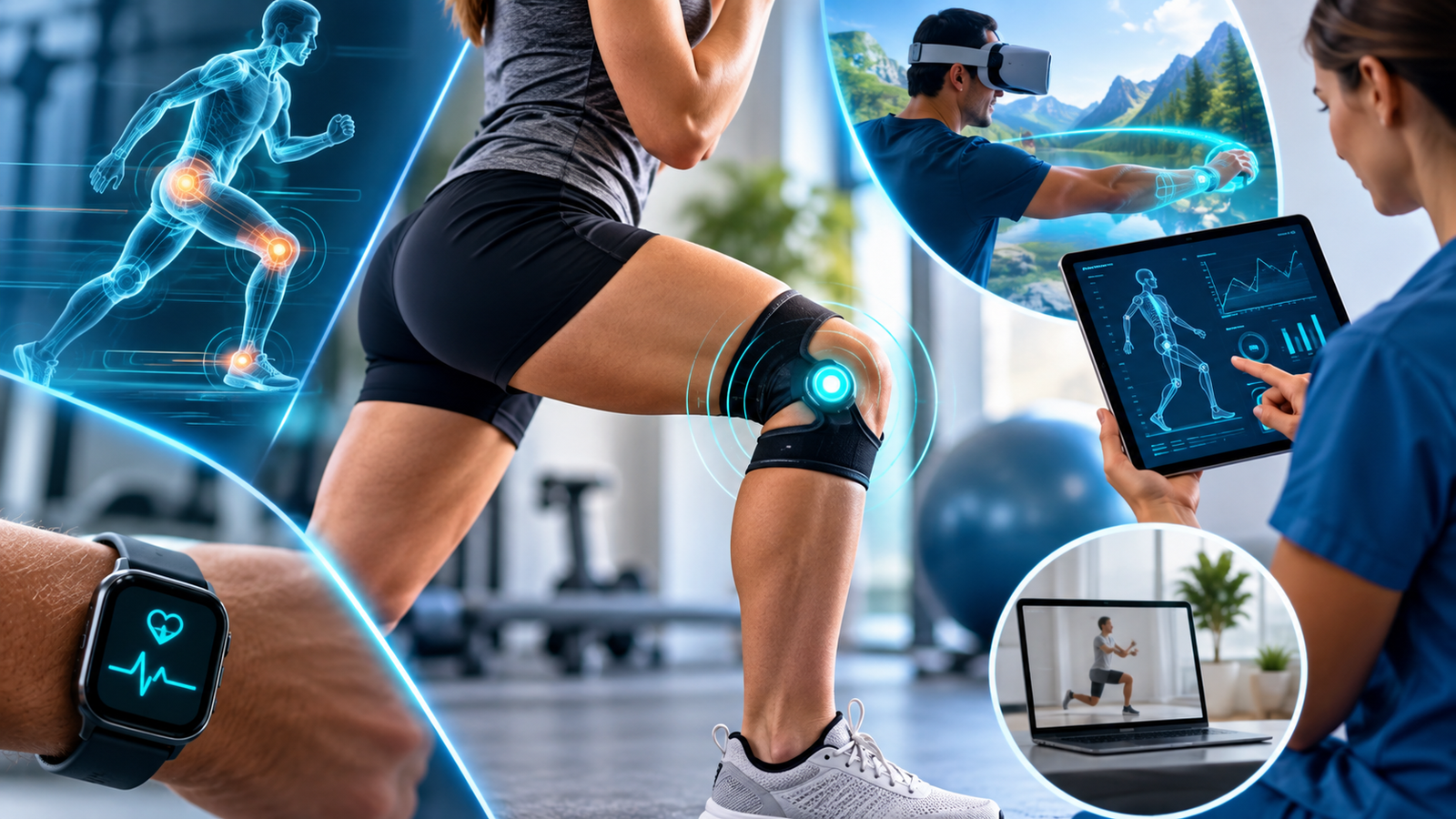
Injury rehab has changed a lot in recent years. In the past, doctors and physical therapists often relied on physical exams, patient feedback, and basic exercise plans. These methods still have value, but new technology has added more ways to understand the body and track recovery.
Today, smart tools can show how a person moves, how much force they use, and how well a body part works after an injury. This information can help a therapist make better choices about care.
The main aim is not just a faster return to normal life. It is a safer and more personal path to recovery. The right technology can help a person know what to do, when to do it, and how much effort is safe.
Wearable Devices Track Recovery
Wearable devices are now common in many areas of health and fitness. They can also play a useful role in injury rehab. Small sensors can track steps, movement, heart rate, body position, and other useful details.
For a person with a knee, ankle, shoulder, or back injury, these devices can give therapists a better view of daily activity. A patient may perform well during a short clinic visit but move in a very different way at home. Wearable data can help show this difference.
This can also help reduce guesswork. If a patient does too much activity, the data may show a sudden rise in movement or exercise. A therapist can then adjust the rehab plan before the extra stress causes a setback.
Wearables can also help patients stay aware of their own progress. Small changes may be hard to notice from one day to the next. Data can make those changes easier to see.
Motion Sensors Give a Clearer Picture
A person can have pain without a major change in strength. Another person may feel better but still have poor movement. Motion sensors can help spot these problems.
These sensors can measure the way a joint moves during an exercise or normal activity. They can record details such as speed, range of motion, balance, and body position.
For example, a person who has a knee injury may place more weight on the healthy leg. This may feel normal to the patient, but a sensor can show the difference between both sides.
This information gives therapists another tool to check movement quality. It can also help them choose exercises that match the patient’s current ability.
Artificial Intelligence Helps Read the Data
Artificial intelligence, often called AI, has a growing role in rehab. Modern rehab tools can collect large amounts of data. A therapist may not have time to study every small change by hand. AI can help sort this information and find useful patterns.
An AI system may compare a patient’s movement with earlier sessions. It can show whether certain movements have improved, stayed the same, or become weaker.
This does not mean AI replaces a doctor or physical therapist. Human judgment remains important. A machine can see patterns in data, but a trained professional can understand pain, medical history, goals, and other factors that numbers cannot fully explain.
The best use of AI is as a support tool. It can give clinicians more information so they can make better-informed care decisions.
Virtual Reality Makes Exercise More Engaging
Virtual reality, or VR, can make rehab exercises feel less like a routine task. A patient can wear a VR headset and enter a digital environment where simple body movements become part of an activity.
This can be useful for people who find standard exercises boring or difficult to follow. A digital task can give them a clear goal and immediate feedback.
VR may also help with balance, coordination, movement control, and certain forms of pain care. For some patients, the technology can make a session feel more active and enjoyable.
It is not suitable for every person or every injury. A therapist must choose the right type of VR activity based on the patient’s condition and stage of recovery.
Remote Rehab Brings Care Home
Not every patient can visit a clinic several times each week. Distance, work, family duties, transport, and other problems can make regular visits hard.
Remote rehab tools can help close this gap. A patient may use a phone, tablet, camera, or connected device to complete exercises at home. A therapist can then review progress and give feedback from a distance.
This approach can also help patients follow their care plan between clinic visits. Instead of waiting several days for the next appointment, they may have access to guidance at home.
Remote care does not remove the need for clinic visits in every case. Some injuries need direct physical checks and close medical care. Still, digital tools can make follow-up care easier for many people.
Smart Equipment Can Control Exercise
Modern rehab equipment can also offer more control over exercise. Some machines can measure force, speed, balance, and range of motion during a session.
This matters because the right amount of exercise can change as a person heals. Too little activity may slow progress, while too much stress may cause pain or another injury.
Smart equipment can help a therapist adjust resistance and exercise levels based on the patient’s current ability. This creates a more controlled rehab process.
Over time, the patient can build strength without making sudden changes that put too much stress on the injured area.
Data Helps Create Personal Rehab Plans
Every injury is different. Even two people with the same type of injury may recover at different speeds. Age, fitness, past injuries, pain levels, daily activity, and other factors can affect recovery.
Technology helps therapists use more personal information when they create a rehab plan. Instead of relying only on general timelines, they can also look at actual movement and performance.
A patient may show strong progress in one area but still need more work in another. Data can help identify these gaps.
This approach can make rehab feel more personal. The plan can change as the patient changes.
Early Signs Can Help Prevent Setbacks
One of the biggest benefits of technology is the chance to spot small problems early. A patient may not notice a change in movement, balance, or strength. Sensors and digital tools may detect it sooner.
For example, a person may start to place more pressure on one side of the body because of mild pain. If this pattern continues, it could affect other muscles and joints.
Early information gives a therapist a chance to review the exercise plan. A small change at the right time may help prevent a larger problem later.
The Human Side Still Matters
Technology can provide useful data, but rehab is still a human process. A machine cannot fully understand how a patient feels after a difficult exercise. It cannot replace trust between a patient and a therapist.
Good rehab needs both technology and professional care. Digital tools can provide numbers, movement records, and useful feedback. Doctors and therapists can use that information along with their experience and the patient’s own feedback.
The patient also plays a key role. Regular exercise, rest, proper technique, and honest communication can all affect recovery.
What the Future May Bring
The future of injury rehab may bring even more connected tools. Sensors may become smaller and easier to wear. AI systems may offer more detailed movement analysis. Home devices may become more useful, while VR may support a wider range of rehab exercises.
The goal should remain simple: help people recover safely and return to daily life with confidence.
Technology cannot remove every challenge from injury recovery. It can, however, give doctors, therapists, and patients a clearer picture of what is happening.
With better data, personal care, and the right medical support, injury rehab can become more precise, practical, and patient-focused. The result is not simply more technology. It is a smarter way to support the body through recovery.
ALSO READ: The Core Exercise Most People Perform Incorrectly