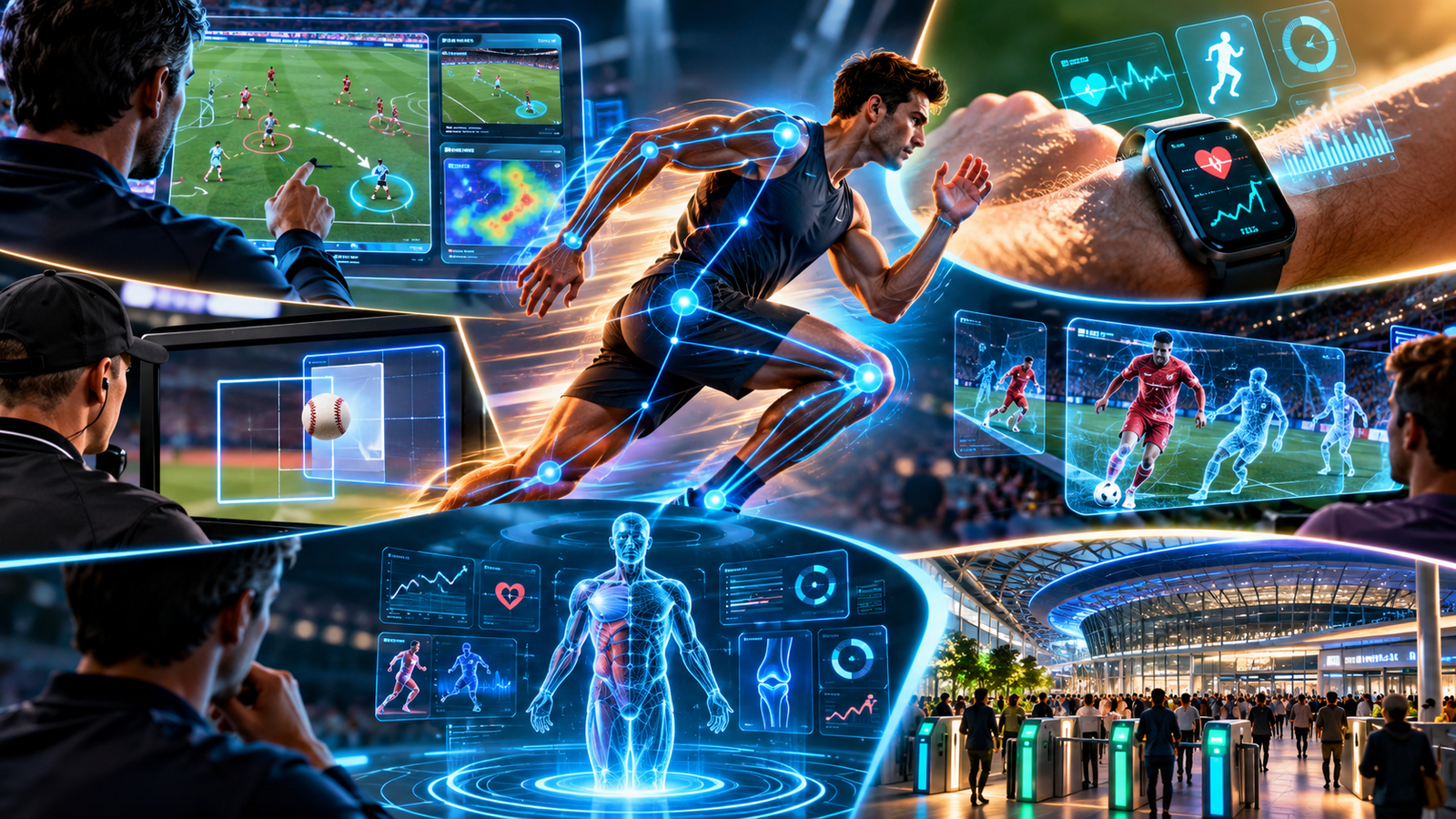








Practice has always been a key part of sport. Athletes repeat drills, work on technique, listen to coaches, and try to fix mistakes. But much of this work has one clear limit. A coach cannot see every move, every mistake, or every small change during a busy session.
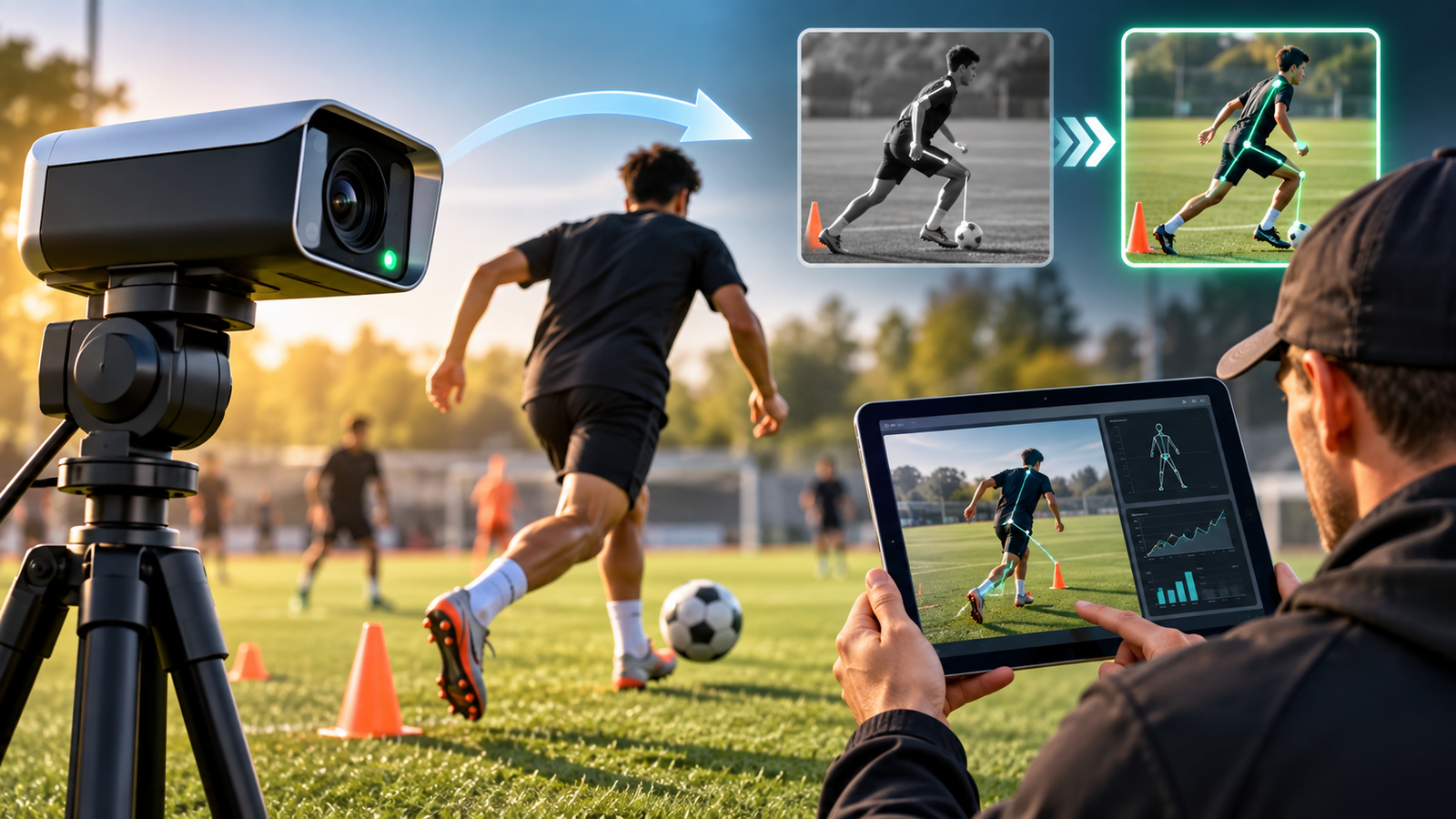
Smart cameras are changing that process. These cameras can record a full practice and use software to study what happens on the field, court, track, or training area. They can follow players, capture key moments, and turn video into useful information.
This does not mean that technology takes the place of a coach. The coach still has an important role. The main change is that coaches and athletes now have more information to support their work.
A practice session can become more clear, more focused, and easier to review.
Every Practice Can Be Saved
One of the biggest benefits of a smart camera is simple: it can save the whole session.
In a normal practice, an athlete may make hundreds of moves. A coach may notice some of them, but it is not possible to watch every action at the same level of detail. Some mistakes may pass without notice. Some good moves may also go unseen.
A smart camera can record the full session. Later, the athlete and coach can return to a certain moment and watch it again.
This can help answer simple but important questions. Was the player’s position correct? Did the athlete move too early? Was the swing, throw, jump, or step different from the usual pattern?
The video gives both people something clear to look at instead of relying only on memory.
More Than Just a Video
A smart camera can do more than record footage.
Modern systems can use computer vision to study movement. Depending on the sport and system, they may track a player or piece of equipment. They can also study body position, movement patterns, speed, angles, and timing.
This can make video review much more useful.
For example, a coach may tell an athlete that their body position changes at a certain point in a movement. With video and data, the coach can show the exact moment. The athlete can then see the issue instead of only hearing about it.
Small details can matter a lot in sport. A tiny change in foot position, body angle, or timing may affect the result of a move. Smart camera systems can help make these details easier to spot.
Less Work Behind the Camera
There is also a practical benefit for coaches.
A coach who wants to record a session may need another person to hold a camera, move it, follow the action, or select useful clips. This can take time and attention away from the actual practice.
Smart camera systems can reduce some of that work. Many can track the action by themselves and capture the relevant parts of a session.
This can make video a more natural part of daily practice rather than a special task that takes extra effort.
The coach can focus more on the athlete while the camera takes care of much of the recording process.
Faster and Clearer Feedback
Feedback is one of the most important parts of practice. Athletes need to know what they did well and what needs a change.
Traditional feedback often comes through spoken advice. That advice is useful, but words alone may not always be enough. An athlete may understand what a coach says but still struggle to picture the problem.
Video can make the message clearer.
A coach can pause a clip, show a position, compare two attempts, and explain the difference. The athlete can see the change with their own eyes.
This can also make feedback more precise. Instead of saying that a movement “looks wrong,” a coach can point to a specific part of the action and explain what needs to change.
A More Personal Practice Plan
Every athlete has different strengths and weaknesses. Two players on the same team may need very different types of practice.
Smart camera data can help coaches see these differences.
One athlete may need work on movement speed. Another may need better body control. A third may have a timing issue. When the coach has video from several sessions, these patterns can become easier to identify.
This can lead to more personal training plans.
Rather than giving every athlete the same advice, a coach can use the available information to decide which drills may help each person. The athlete can also see their own progress and understand why a certain drill matters.
Comparing One Session With Another
Another useful feature is comparison.
A single video can show what happened during one practice. A collection of videos can show change over time.
An athlete can compare an old session with a recent one. They may see that their body position has improved, their movement is more controlled, or their timing is more consistent.
This can be useful when progress feels slow.
Athletes do not always notice small improvements from day to day. A clear record can show changes that may otherwise be hard to see.
The same idea can work when a problem returns. If an old movement pattern appears again, the coach can use past footage to understand when and how the issue first appeared.
Practice Does Not End at the Field
Smart cameras also change what happens after practice.
In the past, an athlete might leave the training area after the final drill and wait until the next session for more advice. With recorded footage, review can continue later.
An athlete can watch selected clips and think about what happened. A coach can mark important moments and use them as part of the next session.
This creates a simple cycle:
Practice → Capture → Analyze → Adjust → Practice again.
Each session can give information that helps shape the next one.
That makes practice feel less like a series of separate days and more like one long process.
The Coach Still Matters
It is important to understand what smart cameras cannot do on their own.
Data can show what happened, but it does not always explain why it happened. A camera may detect a change in movement, but a coach may need to understand the athlete’s goal, technique, experience, or situation before deciding what to do next.
A good coach can also understand factors that a camera may not capture well. Confidence, pressure, tiredness, focus, and communication can all affect performance.
For this reason, smart cameras work best as a support tool.
The technology can provide evidence. The coach can provide context, judgment, and direction.
A New Feedback Loop
The real value of smart cameras comes from the way all these features work together.
The camera records the session. Software can study the footage and identify useful details. The coach reviews those details with the athlete. The athlete then makes a change during the next practice.
That next session creates new footage. The new footage can then show whether the change helped.
This creates a steady feedback loop.
Instead of asking only, “How did I do today?” an athlete can ask better questions: “What changed?” “Did the adjustment work?” and “What should I focus on next?”
That shift can make practice more purposeful.
What Comes Next
Smart cameras are likely to become a larger part of sports practice as camera technology and computer vision improve.
The biggest change is not simply better video quality. It is the ability to turn large amounts of footage into information that athletes and coaches can actually use.
Practice is becoming easier to record, review, compare, and understand. Athletes can get a clearer view of their own performance, while coaches can gain more evidence for their decisions.
The camera does not replace hard work. It does not create skill by itself. What it can do is make each practice session more measurable and more useful.
That is why smart cameras are rewriting the practice session. They turn moments that once disappeared after practice into information that can help shape what happens next.