






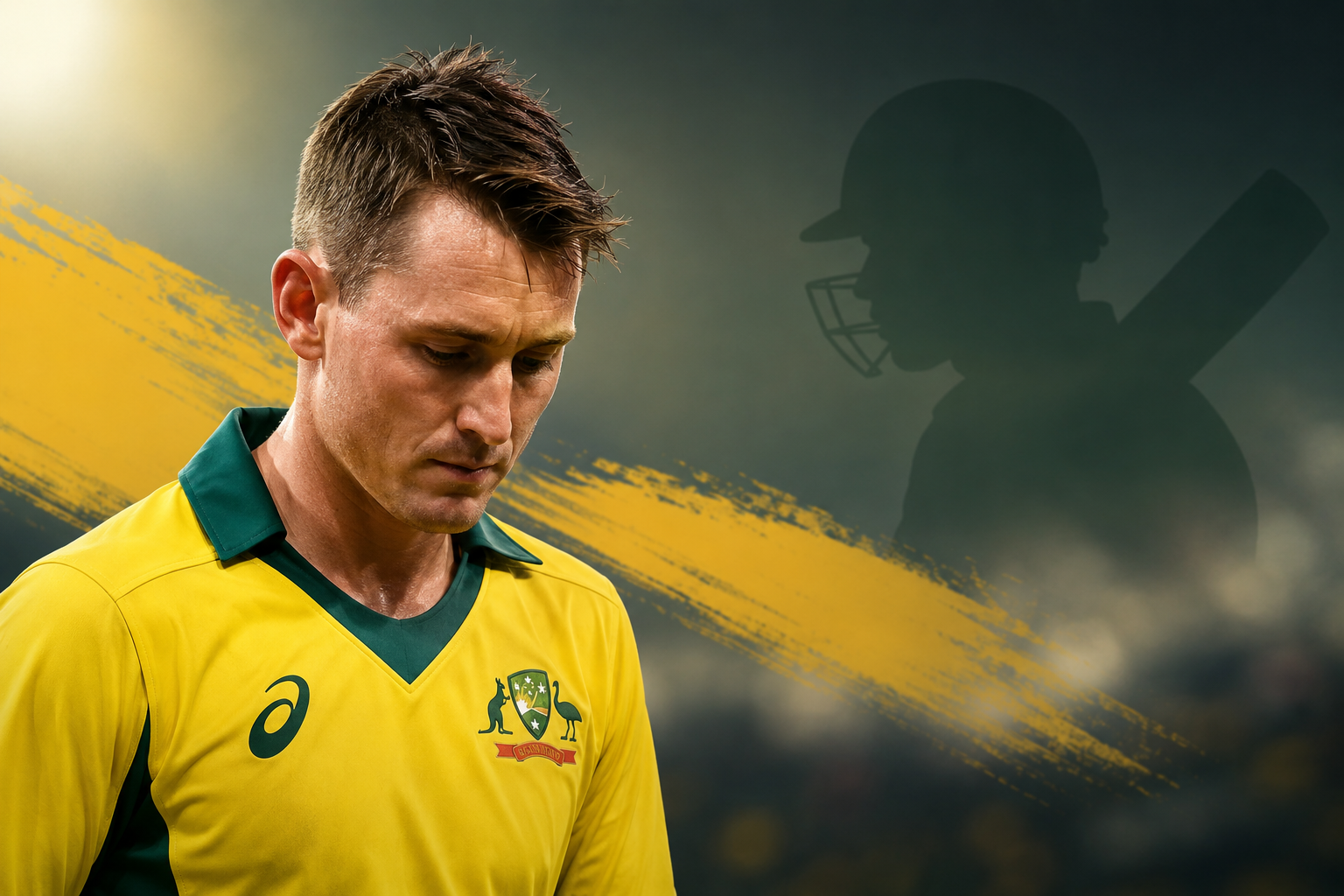
Australia have made a major change to their ODI plans with the omission of Marnus Labuschagne from the squad for the upcoming tours of Zimbabwe and South Africa. The decision comes on September 1, 2026, as Australia start to shape their team for the 2027 ICC Men’s Cricket World Cup.
Labuschagne has been a regular part of Australia’s ODI side since 2022. He also played an important role in Australia’s 2023 World Cup success in India. However, his recent record has not met the level expected by the selectors. His absence from the latest 17-player squad now raises fresh questions about his place in Australia’s future plans.
Australia will play six ODIs in Africa this month. The first three matches will take place against Zimbabwe in Harare, with the series set to start on September 15. Australia will then face South Africa in another three-match series from September 24. The matches will take place in Durban, Johannesburg and Potchefstroom.
Labuschagne Pays the Price for Poor Form
The main reason behind Labuschagne’s omission is his recent ODI form. Since the start of 2024, the right-handed batter has an ODI average of only 21.87, with a top score of 77 not out during that period. Those numbers are well below the standard expected from a player who was once a key part of Australia’s 50-over plans.
His recent struggles were also clear during Australia’s ODI assignments in Pakistan and Bangladesh. Labuschagne did finish the Bangladesh campaign with an unbeaten 55 after a move down the batting order, but that innings was not enough to secure his place in the next squad.
The selectors now have more options in the batting group. Travis Head and Mitchell Marsh are back after they missed Australia’s recent ODI series in Pakistan and Bangladesh. Their return has made the competition for places even stronger. With those senior players back, there was less room for Labuschagne.
A Big Question Before the 2027 World Cup
Labuschagne’s omission is especially important because the next World Cup is less than a year away. The 2027 tournament will take place across South Africa, Zimbabwe and Namibia. The six ODIs in Africa will therefore give Australia a useful chance to assess players in conditions close to those they will face at the World Cup.
Australia won the last ODI World Cup in 2023. Labuschagne was part of that successful team and played a memorable role in the final against India in Ahmedabad. His half-century helped Australia secure the title. His record since then, however, has made his position less secure.
Chief selector George Bailey has also made it clear that the decision is about Australia’s ODI plans. He said the selectors were treating the formats separately. Bailey did not give a clear answer about Labuschagne’s Test future. This means the batter could still have a chance to return to the Test side, although his place there is also under pressure after a poor run of form.
Young Players Get a Chance
While Labuschagne has lost his place, several younger players have received more support from the selectors. Joel Davies, Oliver Peake and Cooper Connolly are among the players who can use the African tour to make a strong case for a regular place.
Joel Davies has earned his first ODI call-up. The New South Wales player impressed during the T20I series against Bangladesh earlier this year. His selection gives Australia another young option as they look toward the next World Cup.
Oliver Peake has also kept his place in the squad. The young left-handed batter has attracted attention from the Australian selectors, and this tour gives him another chance to show that he can handle international cricket. Bailey has spoken positively about both Peake and Davies and said the tour will help them gain more exposure with the national team.
Cooper Connolly is another name to watch. He has recently returned to bowling after a back problem and also produced an excellent 149 against Bangladesh in Mirpur. Australia have chosen to keep him with the ODI group instead of moving him to the Australia A side that will tour India at the same time.
Marsh and Head Return
Australia will have several senior players back for the African tour. Mitchell Marsh and Travis Head return after missing the recent ODI matches in Pakistan and Bangladesh. Josh Hazlewood is also part of the squad for both series.
Marsh will lead Australia in Zimbabwe. Pat Cummins, Australia’s official ODI captain, will join the team for the South Africa leg. His workload will decide how much he plays and whether Marsh leads again for some matches in South Africa.
The return of Head gives Australia an experienced option at the top of the order. Marsh adds both batting strength and leadership. Hazlewood also brings major experience to the bowling attack. Together, these players give Australia a strong mix of experience and new talent.
Cummins and Starc Join in South Africa
Pat Cummins and Mitchell Starc will take part only in the South Africa part of the ODI tour. Both fast bowlers are important to Australia’s plans for the 2027 World Cup, so their return to ODI cricket is significant.
Their presence also comes before Australia’s three-Test series against South Africa in October. The Test squad will be named later this month. For now, Australia are focused on the ODI series and the chance to test their players in conditions similar to those expected at the 2027 World Cup.
Spencer Johnson and Billy Stanlake also provide extra pace options. Johnson returns to ODI cricket after more than a year away from the format. Stanlake recently returned to international cricket after a long gap and was part of Australia’s ODI tour of Pakistan.
Australia’s Full ODI Squad
Australia’s 17-player ODI squad is Mitchell Marsh, Pat Cummins, Xavier Bartlett, Alex Carey, Cooper Connolly, Joel Davies, Nathan Ellis, Cameron Green, Josh Hazlewood, Travis Head, Josh Inglis, Spencer Johnson, Oliver Peake, Matthew Renshaw, Billy Stanlake, Mitchell Starc and Adam Zampa. Cummins and Starc are listed for the South Africa leg only.
The squad shows a clear balance between established stars and younger players. Australia are not only looking for immediate results. They are also trying to decide which players can form the core of the team for the next World Cup.
The African Tour Schedule
Australia’s first ODI against Zimbabwe will take place in Harare on September 15. The second match will also be in Harare on September 18, followed by the third ODI on September 20.
The team will then travel to South Africa for three more ODIs. The first match is set for Durban on September 24. The second will take place in Johannesburg on September 27, while the final match is scheduled for Potchefstroom on September 30.
These six matches could prove very important for Australia’s World Cup plans. The venues are in the same region that will host the 2027 tournament, so the players will get valuable experience before the major event.
What This Means for Labuschagne
For Labuschagne, the omission is a major setback but not necessarily the end of his international career. Australia have not ruled him out of Test cricket, and the selectors have stressed that the ODI decision is about the team’s current 50-over structure.
Still, the situation is serious. He has missed only five of Australia’s last 56 ODIs since late 2022, which shows how important he once was to the side. Now, younger players have a chance to take his place, while Head and Marsh are back in the group.
The next few months could decide whether Labuschagne can return to Australia’s plans. For now, the message from the selectors is clear: recent form matters, and the team must use every ODI before the 2027 World Cup wisely.
Australia’s decision is therefore more than a simple squad change. It is a sign that the world champions have started to look ahead. With the 2027 World Cup close, the African tour will give Australia a chance to test their strongest players, develop young talent and find the right balance for their title defence. Labuschagne’s omission may be the biggest headline, but the larger story is Australia’s effort to build the next World Cup team.
Also Read – The Sensor That Can Expose Hidden Fatigue Before You Feel It