







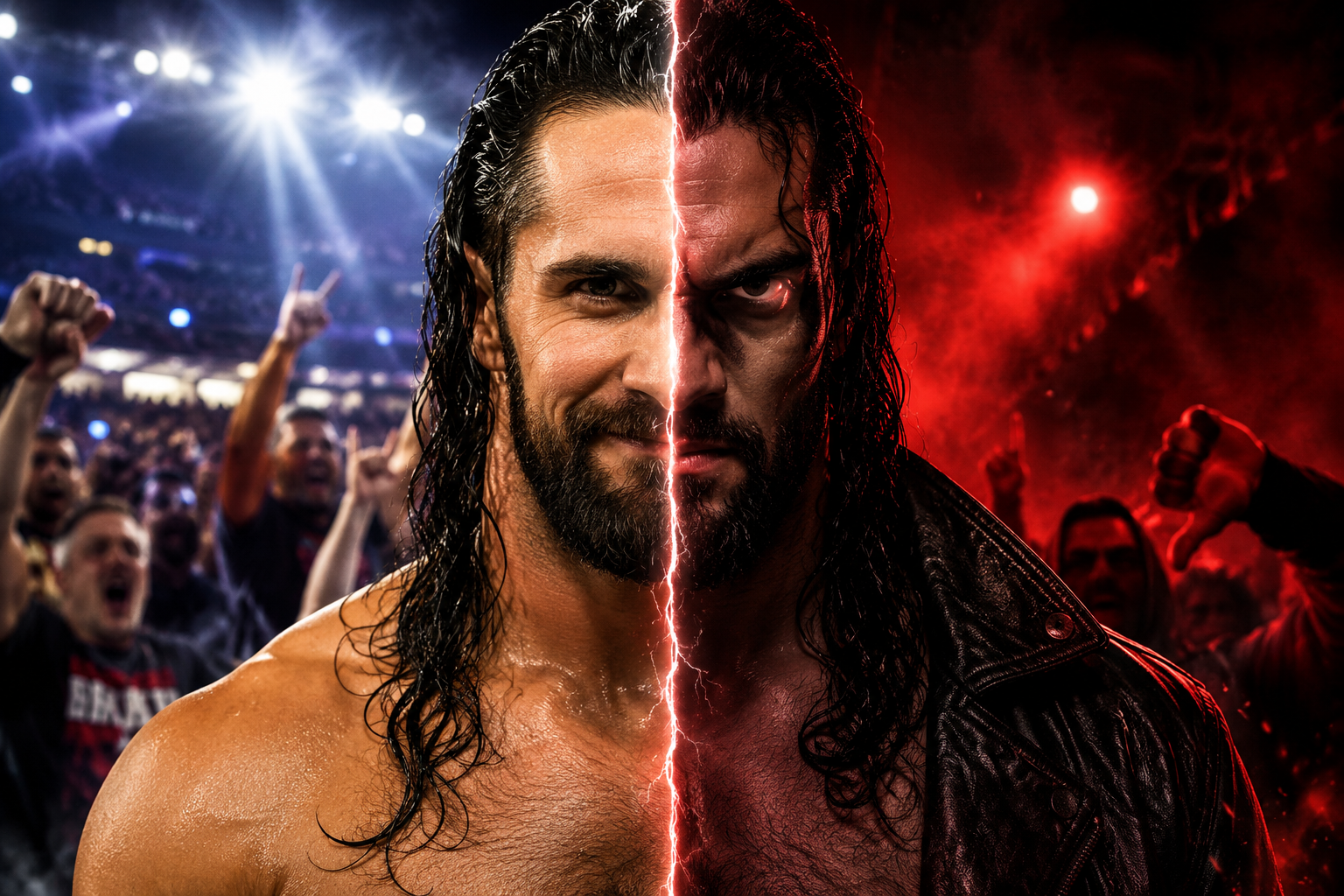
A heel turn is one of the biggest changes a wrestling company can make to a superstar. It happens when a wrestler who acts like a good person suddenly becomes a villain. A popular babyface may attack a friend, betray a team, cheat in a match, or show a side of their character that fans did not expect.
At first, a heel turn can look like a simple story move. In reality, it can have a major effect on a superstar’s value. A good turn can make a familiar wrestler feel fresh again. It can also create new matches, stronger stories, better promos, and more reasons for fans to care.
But a heel turn does not always work. The change must have a clear reason. The new character must feel real. Most of all, fans must have a reason to react.
A Heel Turn Can Make a Superstar Feel New
One major benefit of a heel turn is the chance to make a wrestler feel fresh.
A superstar may stay popular for years, but the same character can lose some of its power over time. Fans may know how that wrestler will act in almost every match and every promo. The excitement can slowly drop.
A heel turn can change that.
The wrestler can get a new attitude, a new look, a new voice, and a new reason for their actions. The audience already knows the person, but now they see that person in a different way.
This is why a strong turn can feel like a reset without the company having to build a completely new star.
Fresh Matches Become Possible
A heel turn can also give a superstar many new match options.
A popular babyface may have already faced most of the major heels on the roster. After several matches, the same rival can start to feel less special. A heel turn changes that problem.
Former friends can become rivals. Former allies can face each other. A wrestler who once had the same goal as the superstar can now stand against them.
This gives writers more ways to build stories. It also gives fans matches they may not have expected before the turn.
The best part is that these matches often have a personal reason behind them. A match between two wrestlers can mean more when one person betrayed the other.
It Can Make Promos More Valuable
A heel role can give a wrestler more freedom on the microphone.
A babyface often needs to sound noble, respectful, or positive. A heel does not have the same limits. A heel can insult other wrestlers, mock the fans, question the company, and say things that a good guy could never say.
This can help a superstar show more of their personality.
A wrestler who once gave safe and simple promos may suddenly become sharp, funny, rude, or cruel. If the audience reacts strongly, that wrestler can become much more useful in major storylines.
A great heel does not need fans to love them. They need fans to care about what they say.
The Heel Can Make the Babyface Better
A strong heel does more than help the heel. It can also raise the value of the babyface.
Fans need someone to support. If a villain acts in a way that feels unfair or cruel, the audience may become more loyal to the hero who stands against them.
This creates a simple emotional story. The heel does something fans hate. The babyface wants justice. Fans then want to see the hero win.
That reaction can make an ordinary match feel much bigger.
A great heel can therefore help create a great babyface. The villain gives the hero a clear problem, a clear goal, and a reason to fight.
It Can Bring Back Unpredictability
Fans enjoy surprises, but surprise alone is not enough.
A good heel turn makes people wonder what the wrestler will do next. Before the turn, fans may expect the superstar to help their friends or follow the rules. After the turn, that trust is gone.
The audience may no longer know who the wrestler will attack, who they will betray, or what they will say.
That uncertainty can add value to every appearance.
The wrestler becomes someone fans must watch. Even a short segment can feel important because the audience cannot fully trust the character.
A Heel Turn Can Extend a Character’s Life
Every wrestling character can become stale.
This does not always mean the wrestler has lost talent. Sometimes the problem is simply that fans have seen the same version of that character for too long.
A heel turn can solve that problem.
Instead of removing the wrestler from major stories, the company can give them a new purpose. The same performer can now work with different opponents and use different parts of their personality.
This can keep a superstar near the top of the card for a much longer time.
It can also prevent the company from wasting a wrestler who still has plenty of value.
More Heat Does Not Always Mean More Money
One important point is that a heel turn does not automatically make a wrestler more profitable.
Getting booed is useful, but it is only one part of the picture. The character still needs good stories, strong matches, clear goals, and good screen time.
A wrestler can receive loud boos and still have low value if fans do not care about the story.
The goal is not simply to make fans angry. The goal is to make them emotionally invested.
A successful heel should make people want to see what happens next. They should want to see the wrestler lose, face a certain rival, or finally get punished for their actions.
That level of interest is far more useful than simple noise.
The Turn Must Have a Reason
The biggest mistake a company can make is a heel turn with no clear reason.
If a wrestler suddenly betrays a friend only because the company wants a surprise, fans may enjoy the first moment but lose interest soon after.
The turn should fit the character.
Maybe the wrestler feels ignored. Maybe they believe they deserve more respect. Maybe they are jealous of a former friend. Maybe they think the fans betrayed them. Maybe success has made them arrogant.
The reason does not have to be complex. It just needs to make sense.
When fans understand why a wrestler changed, the new character feels much more believable.
The Difference Between a Turn and a Real Change
A heel turn is only the first step.
If a wrestler attacks someone on one night and then acts almost the same as before, the effect can disappear quickly. Fans need to see a real change after the turn.
Their words should change. Their actions should change. Their relationships should change. Their goals should change.
The wrestler should feel like a different version of the same person.
That balance is important. The audience should still recognize the superstar, but they should also feel that something has changed.
When a Heel Turn Fails
Not every popular wrestler should become a heel.
Sometimes fans like a wrestler too much for the turn to work. In other cases, the character does not have the personality needed for a villain role.
A turn can also fail when the company does not follow up on it. A huge betrayal means little if the next few weeks contain weak stories and poor matches.
The first night creates attention. What happens after that decides whether the turn has real value.
A heel needs strong opponents, clear goals, and enough time to build heat.
The Real Value of a Heel Turn
The true value of a heel turn comes from the change it creates in the audience.
It can make an old character feel new. It can create fresh matches. It can improve promos. It can give babyfaces stronger stories. It can add surprise and help a superstar stay relevant for a longer period.
But none of this happens just because a wrestler becomes a villain.
A successful heel turn changes the way fans see the superstar. The audience may stop cheering for them, but they should not stop caring about them.
That is the key difference.
The best heel turn does not simply change a wrestler from good to bad. It changes their role in the entire wrestling world. A former hero can become the person fans love to hate, the rival everyone wants to see lose, and the character who makes every major story feel more important.
When that happens, the superstar’s value can rise in a very real way.
ALSO READ: Top 10 Blockchain Games to Explore in August 2026