




Fat loss is not just about eating less food. The quality of your food also matters. Protein can make a fat-loss diet easier because it helps you feel full after meals. It can also help protect muscle when you eat fewer calories.
During weight loss, some loss of muscle can occur along with fat loss. Research shows that a higher protein intake can help reduce the loss of lean muscle, especially when a person follows a calorie-restricted diet. A 2024 review of 47 studies with 3,218 adults found that extra protein helped protect muscle mass in adults with overweight or obesity during weight loss.
Protein also has a higher thermic effect than carbs and fat. This means the body uses more energy to digest and process protein. Protein may also help control hunger through its effect on fullness signals.
Still, protein is not a magic fat-loss food. Total calorie intake matters. The best approach is to choose protein-rich foods that also offer good nutrition and fit your daily calorie needs.
Eggs
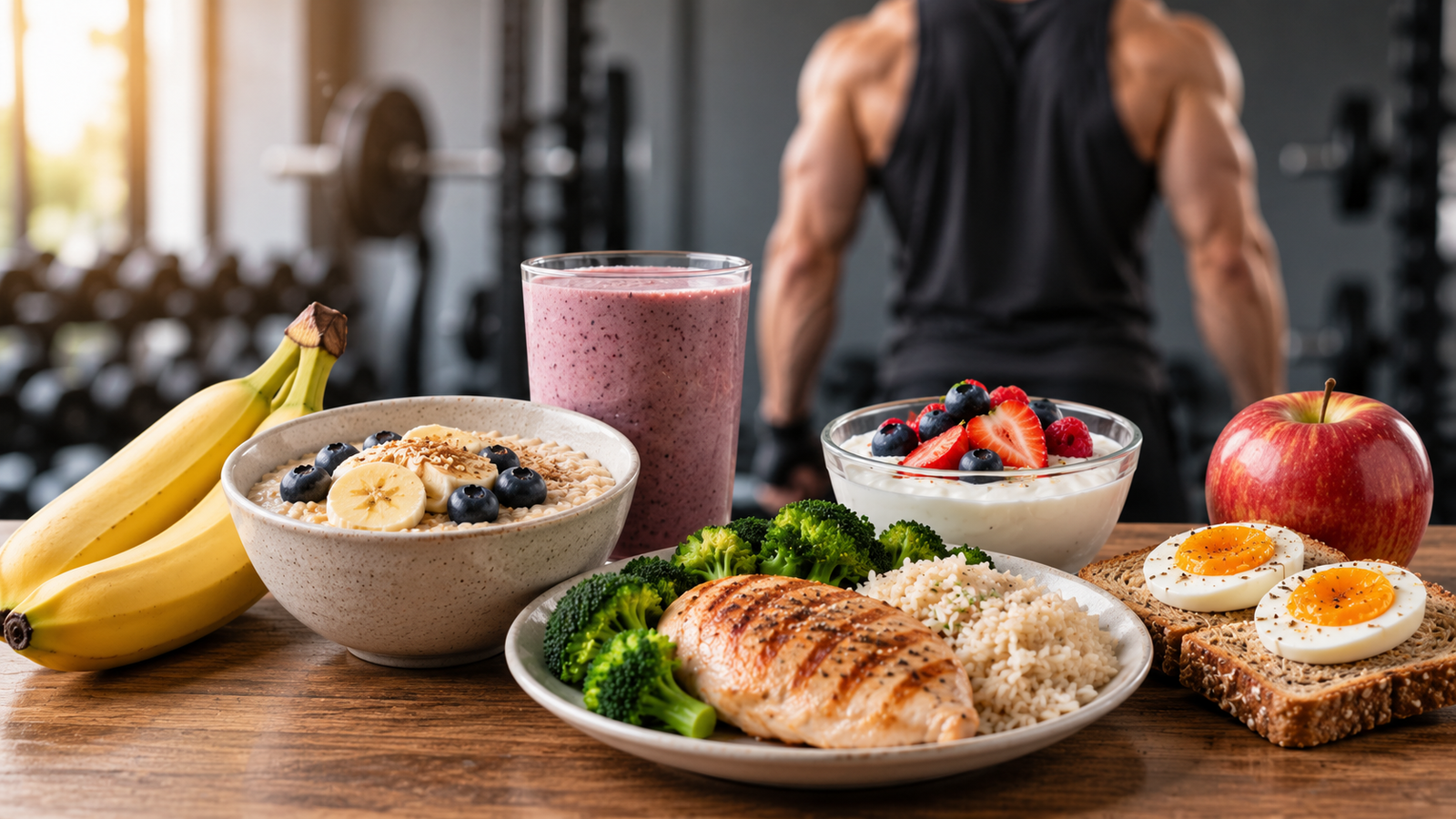
Eggs are one of the easiest high-protein foods to add to a fat-loss diet. One large egg has about 6 grams of protein and provides useful nutrients such as vitamin B12, selenium and choline.
Eggs can help make a meal more filling without a large calorie load. They also work well at any time of day. You can have boiled eggs with fruit, scrambled eggs with vegetables, or an omelet with a small amount of cheese.
For a higher protein meal, pair whole eggs with egg whites. This can raise the protein content while keeping calories under control.
Chicken Breast
Chicken breast is a popular choice because it gives a lot of protein for relatively few calories. A cooked 100-gram portion has about 31 grams of protein, although the exact amount can vary by cut and cooking method.
It has a mild taste, so it can fit into many meals. You can pair it with vegetables, rice, potatoes, beans or a whole-grain food. The key is to watch sauces, excess oil and fried coatings, since these can raise the calorie content fast.
Chicken can be useful for people who want a simple source of lean protein without a lot of extra fat.
Fish and Seafood
Fish can be an excellent choice for fat loss because many types offer plenty of protein with moderate calories. White fish such as cod, haddock and tilapia can provide a high amount of protein with little fat.
Fatty fish such as salmon also have a place in a healthy diet. Salmon contains protein as well as omega-3 fats. These fats support overall health, although salmon has more calories than very lean fish.
A fish meal can be simple: pair baked fish with vegetables and a sensible portion of potatoes, rice or another whole-food carb. This creates a meal with protein, fiber and other key nutrients.
Greek Yogurt
Greek yogurt is a useful high-protein food for breakfast, snacks or dessert. A plain, low-fat version can provide around 10 grams of protein or more per 100 grams, with some brands offering much more.
Plain Greek yogurt is often a better choice for fat loss than sweetened versions because added sugar can raise calories. You can add berries, a small amount of nuts or seeds, or cinnamon for more taste.
Greek yogurt also works well as a base for a high-protein dip or sauce. Its thick texture can make a small serving feel more satisfying.
Cottage Cheese
Cottage cheese is another protein-rich dairy food that can fit well into a fat-loss diet. It is rich in casein, a slow-digesting milk protein.
A half-cup portion can provide about 12 to 15 grams of protein, based on the brand and type. Low-fat cottage cheese can offer a useful balance of protein and calories.
You can eat it with fruit for a sweet option or with cucumber, tomato and herbs for a savory meal. It can also serve as a simple addition to eggs or toast.
Beans and Lentils
Beans and lentils are excellent choices for people who prefer plant-based protein. They also provide fiber, which can help support fullness and digestive health.
Lentils, black beans, kidney beans and chickpeas all contain protein, although they also provide carbohydrates. That does not make them bad for fat loss. In fact, their mix of protein and fiber can make them very satisfying.
A bowl of lentils with vegetables can form a filling meal. Beans can also work in salads, soups and wraps. Portion size still matters because legumes contain calories from carbohydrates as well as protein.
Tofu and Soy Foods
Tofu is a useful plant-based protein source. It can absorb the flavor of spices, sauces and other foods, which makes it easy to use in many dishes.
Firm tofu can provide around 10 to 15 grams of protein per 100 grams, depending on the product. Other soy foods, such as tempeh and edamame, can also provide substantial protein.
Soy foods can help add variety to a diet that relies less on meat. Pair tofu with vegetables and a moderate portion of rice or noodles for a balanced meal.
Lean Beef
Lean beef can provide a high amount of complete protein along with nutrients such as iron, zinc and vitamin B12. The exact calorie and protein content depends on the cut.
For fat loss, leaner cuts are often a better choice than fatty cuts because they provide protein with less fat. Grilled lean beef can work well with vegetables, potatoes or a salad.
There is no need to remove red meat from the diet unless a personal health reason calls for it. The main goal is to choose sensible portions and keep the overall diet balanced.
Protein Powder
Protein powder can be useful when food alone does not make it easy to reach a person’s protein target. Whey and casein are common choices, while soy, pea and other plant-based powders can suit people who avoid dairy.
Protein powder is not required for fat loss. Whole foods can provide plenty of protein and also supply vitamins, minerals and other nutrients. A simple protein shake can still be useful when a quick meal or snack is needed.
Recent research suggests whey protein may help preserve fat-free mass during weight loss, especially as part of a wider plan that includes a suitable diet and exercise.
How Much Protein Do You Need?
The basic protein recommendation for healthy adults is about 0.8 grams per kilogram of body weight per day. However, this level may not be ideal for every person during weight loss.
Research has found that higher protein intake can help protect lean mass during calorie restriction. Some studies report benefits with about 1.2 to 1.6 grams per kilogram per day, while a 2024 review found that intake above 1.3 grams per kilogram per day may support better muscle retention in adults with overweight or obesity.
The right amount depends on body size, age, activity level, health status and calorie intake. People with kidney disease or another medical condition should ask a qualified health professional before making a major change to protein intake.
The Best Choices for Fat Loss
The best high-protein foods are not always the foods with the highest protein number. A good choice should provide useful nutrients, fit your calorie needs and be easy for you to eat on a regular basis.
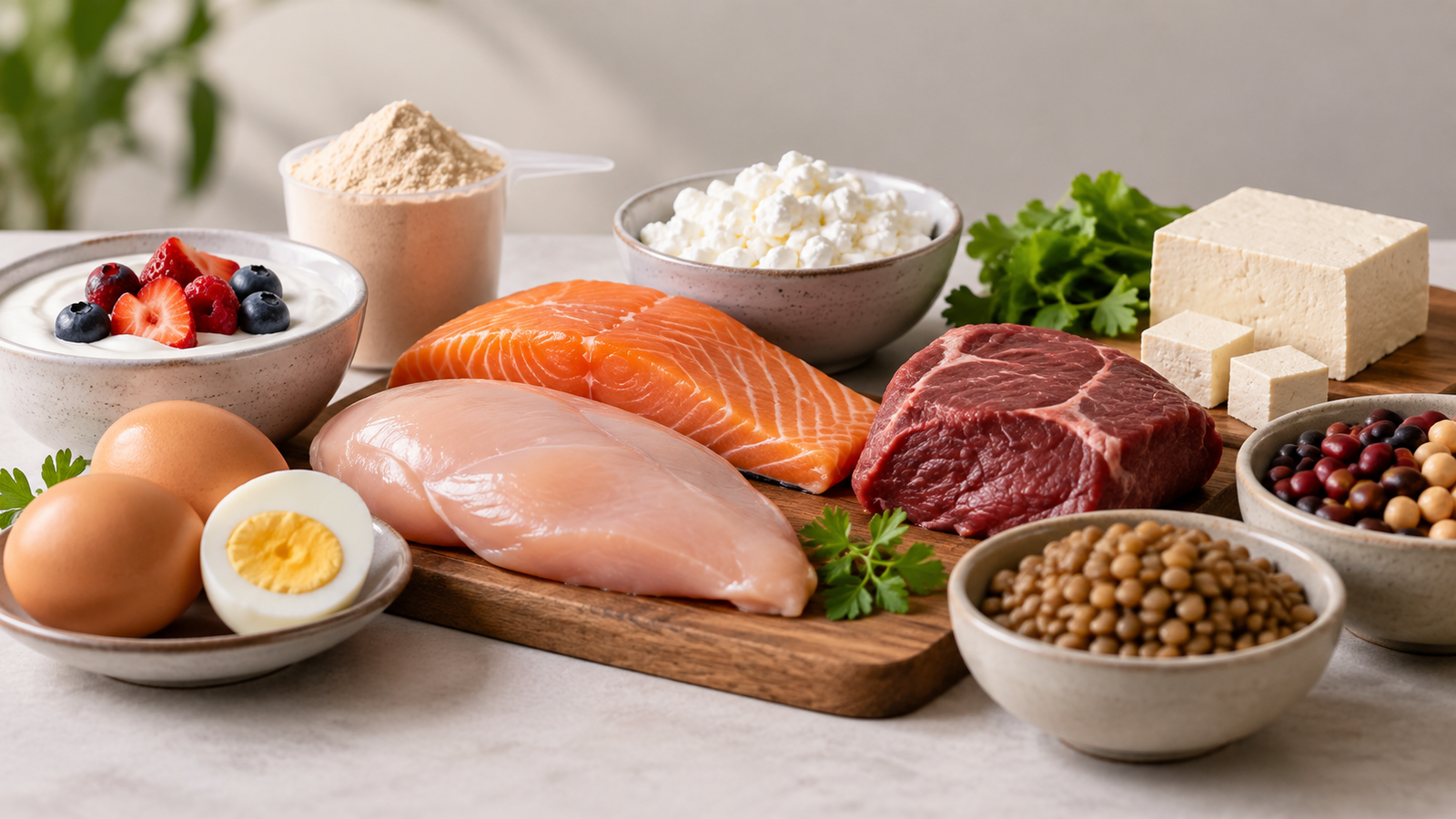
Eggs, chicken, fish, Greek yogurt, cottage cheese, beans, lentils, tofu, lean beef and protein powder can all have a place in a fat-loss diet. A mix of these foods can add variety and make meals more satisfying.
Higher protein intake can support fat loss by helping with fullness and muscle retention, but it works best as part of a complete diet. Regular physical activity, enough sleep and a sensible calorie deficit also matter. The goal is not to eat as much protein as possible. The goal is to eat enough protein while keeping your overall diet balanced, enjoyable and sustainable.
Also Read – From Wearables to Digital Twins: What Comes Next?