









Protein often gets linked with muscle and gym diets, yet its role goes much further. Every part of the body needs protein to work well. Muscles, skin, hair, nails, bones, blood, enzymes, and hormones all rely on proteins. The body also uses protein to repair damaged tissue and support normal growth.
Protein comes from many foods, not only shakes and powders. Eggs, milk, yogurt, cheese, fish, chicken, meat, soy, beans, lentils, peas, nuts, and seeds can all add protein to a daily diet. The amount needed can change from one person to another. Age, body size, activity level, pregnancy, health status, and fitness goals can all affect the right intake.
The Basic Protein Need
For a healthy adult, a common starting point is about 0.8 grams of protein per kilogram of body weight each day. This figure represents the basic recommended intake for adults and aims to cover normal body needs.
For example, a person who weighs 60 kilograms would need about 48 grams of protein per day at this basic level. A person who weighs 70 kilograms would need about 56 grams. Someone at 80 kilograms would need about 64 grams.
This number does not represent a perfect target for every person. It acts as a baseline. A person with regular exercise, a demanding sport routine, or a goal of building muscle may need more.
More Protein May Help Active Adults
Physical activity can raise protein needs. Exercise places stress on muscle tissue, and the body needs amino acids from protein to repair and build that tissue.
For adults who exercise regularly, protein intake often falls around 1.2 to 2.0 grams per kilogram of body weight per day, based on the type and amount of activity. Strength training can create a higher need than a very light activity routine.
A 70-kilogram adult who follows a strength-training program may therefore need roughly 84 to 140 grams per day. That range looks wide, yet the right point within it depends on training volume, total food intake, body composition, and personal goals.
More protein does not automatically mean more muscle. Muscle growth also requires resistance exercise, enough calories, proper sleep, and a balanced diet.
Protein Needs Rise With Age
Protein becomes especially important later in life. Older adults can lose muscle more easily, while the body may respond less strongly to small amounts of protein. A higher intake can help support muscle strength and physical function when paired with suitable exercise.
Many experts suggest that older adults may benefit from around 1.0 to 1.2 grams per kilogram of body weight each day, with higher amounts often considered for older people who exercise or face illness.
For a 70-kilogram older adult, that equals about 70 to 84 grams daily. The exact amount should reflect health, activity, appetite, and medical needs.
Protein During Weight Loss
Protein can also play an important role during weight loss. A higher protein intake can help preserve muscle when calorie intake falls. Protein also tends to provide strong fullness after meals, which may make a reduced-calorie diet easier to follow.
The goal should not focus only on a large protein number. Total calorie intake still matters. Food quality matters too. A diet based on chicken, eggs, fish, yogurt, beans, lentils, tofu, vegetables, fruit, whole grains, nuts, and seeds offers more nutritional value than a diet based mainly on protein bars and shakes.
During weight loss, protein needs can vary based on body weight, body composition, activity, and the size of the calorie deficit. A fixed number cannot suit every person.
Protein From Food Works Well
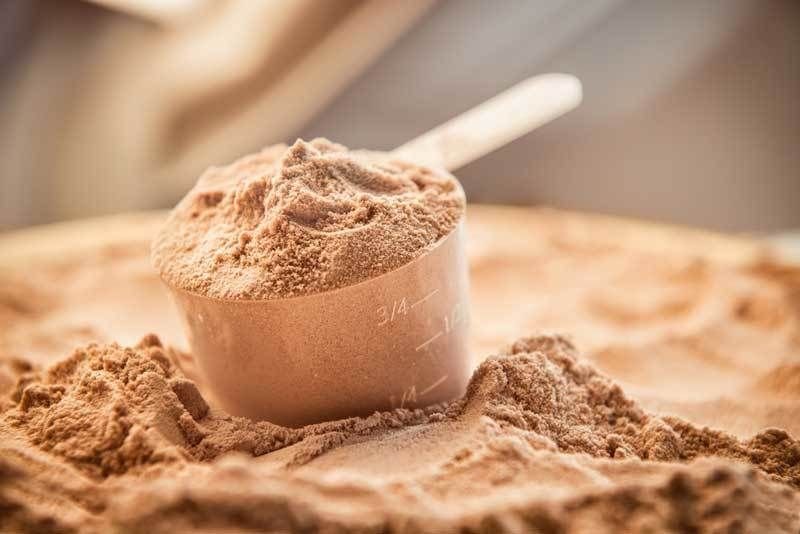
Protein powder can offer convenience, but it does not have special powers. Whole foods can provide protein along with vitamins, minerals, healthy fats, carbohydrates, and other useful nutrients.
One large egg contains about 6 grams of protein. A cup of milk provides about 8 grams. A cup of Greek yogurt can provide roughly 15 to 20 grams, depending on the product. A 100-gram serving of cooked chicken breast contains around 30 grams of protein.
Plant foods can also contribute significant amounts. Cooked lentils provide about 18 grams per cup, while cooked soybeans provide roughly 31 grams per cup. Tofu can provide around 10 to 20 grams per serving, based on its type and portion size.
These figures can vary by food brand, preparation method, and serving size, so nutrition labels offer the most accurate number for packaged foods.
Spread Protein Across the Day
The daily total matters, yet meal timing can also help. Instead of placing nearly all protein into one large dinner, a person can include a useful source at breakfast, lunch, dinner, and snacks.
A breakfast with eggs and yogurt, a lunch with lentils or chicken, a snack with milk or cottage cheese, and a dinner with fish, tofu, or beans can create a steady supply throughout the day.
For people who want to build or maintain muscle, many nutrition experts favor roughly 20 to 40 grams of high-quality protein per meal, depending on body size and total daily needs. Smaller people may need less, while larger people may need more.
What Happens With Too Much Protein?
More protein does not always produce better results. Once daily needs are covered, extra protein does not automatically turn into extra muscle. The body can use excess energy for fuel, while the remaining dietary balance still matters.
Very high protein intake can also push other foods out of the diet. A person who eats huge amounts of protein may leave less room for fruits, vegetables, whole grains, healthy fats, and other foods that supply important nutrients.
People with kidney disease or certain other medical conditions may need specific protein limits. Anyone with such a condition should follow medical advice rather than copy a high-protein fitness diet.
The Best Target Depends on the Person
There is no single protein number that works for every adult. The basic 0.8 grams per kilogram recommendation can cover the needs of many healthy adults. Active people may benefit from 1.2 to 2.0 grams per kilogram, while older adults often benefit from at least 1.0 to 1.2 grams per kilogram.
The right target should match body size, age, exercise, health, and the main goal. Someone who rarely exercises may have little reason to chase a very high intake. Someone who lifts weights several times each week may need considerably more.
The main lesson remains simple: protein matters, but more is not always better. A suitable amount, spread across balanced meals, can support muscle, repair, strength, and overall health without turning every meal into a protein challenge.
Also Read – India’s Squad for Afghanistan T20Is: Bumrah Back, Hardik Out