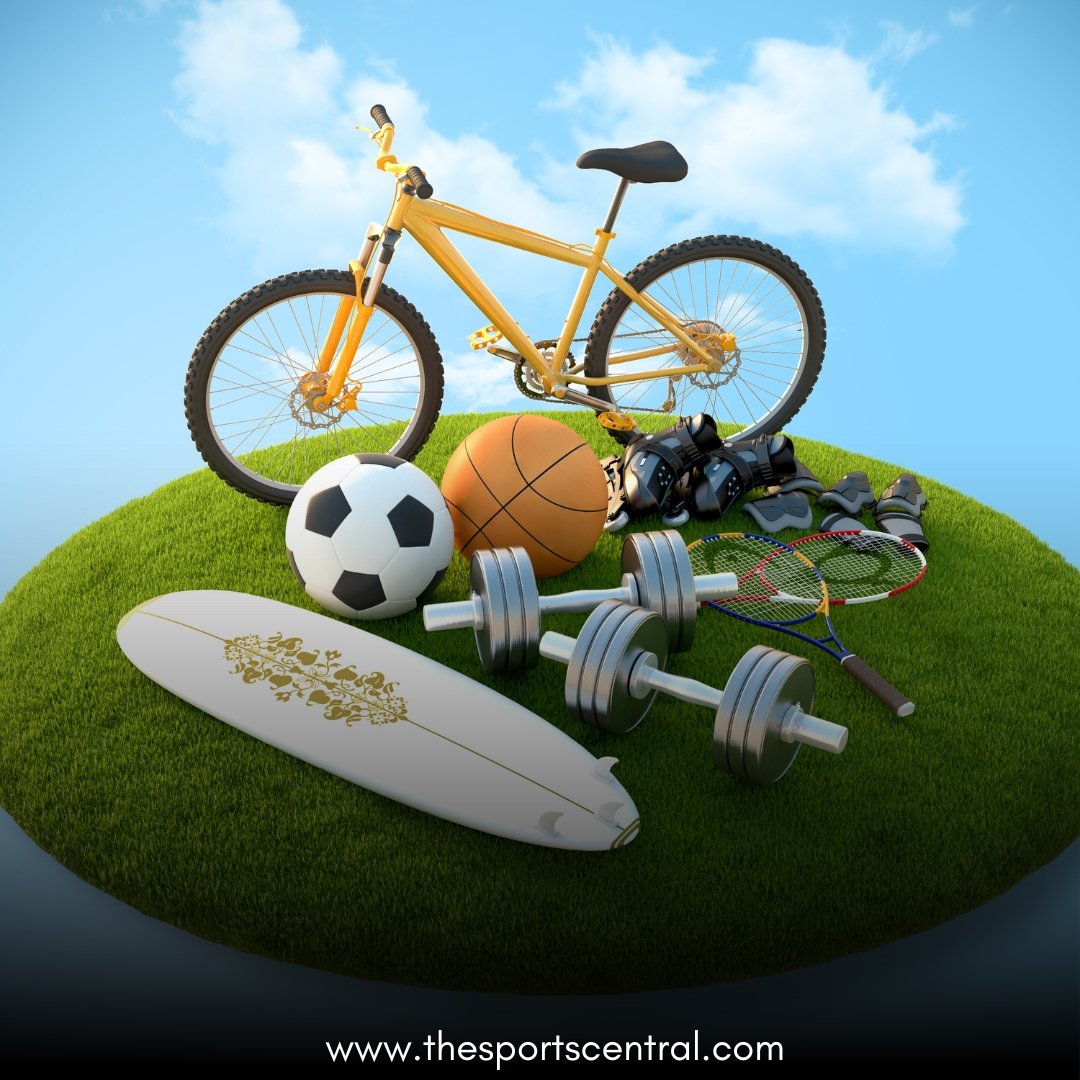

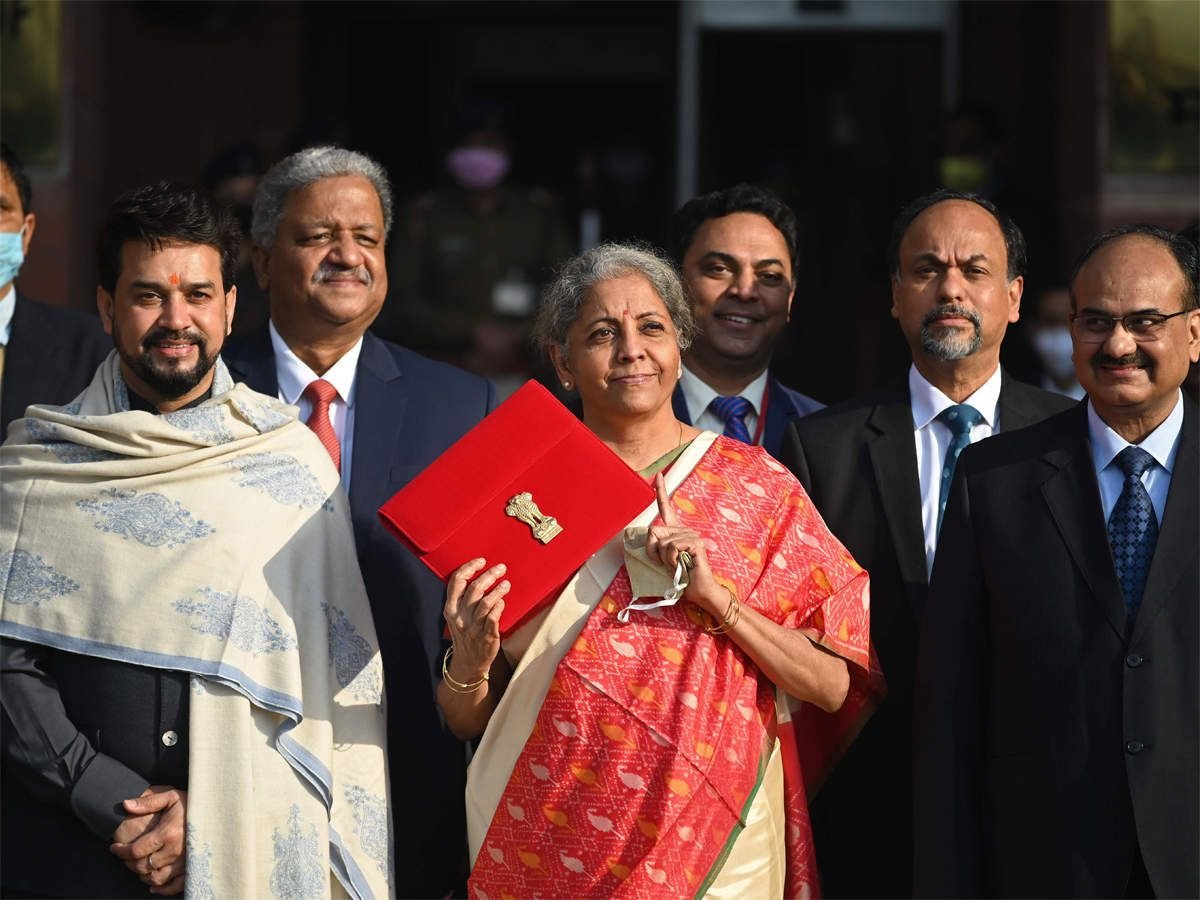
Union Budget 2026 gives a strong push to sports goods manufacturing as a strategic growth sector. Finance Minister Nirmala Sitharaman announces a focused plan to strengthen domestic production of sports equipment and position India as a global supplier of quality sporting goods.
The budget links manufacturing with employment, exports, and innovation. It treats sports goods not just as consumer products but as part of India’s broader industrial and youth development strategy. With rising global demand for fitness gear, professional sports equipment, and recreational products, the government aims to capture a larger share of international markets.
Why sports goods matter for the economy
Sports goods manufacturing already supports thousands of MSMEs across India. Cities such as Jalandhar, Meerut, and Coimbatore host clusters that produce cricket bats, footballs, rackets, protective gear, and gym equipment. These clusters employ skilled artisans and factory workers who rely on steady export orders.
Union Budget 2026 recognizes that this sector combines three national priorities:
- Job creation through labour-intensive production
- Export growth through niche manufacturing
- Youth engagement through sports and fitness culture
By strengthening sports goods manufacturing, the government aims to support local industry while encouraging healthy lifestyles and professional sports development.
Key budget measures for sports goods manufacturing
The budget introduces targeted steps to modernize production and improve competitiveness.
1. Incentives for domestic manufacturing
The government will extend production-linked incentives and sector-specific support for sports equipment manufacturers. These incentives will encourage companies to expand capacity and upgrade machinery. MSMEs will gain easier access to technology that improves precision and quality.
Manufacturers will now invest in automation, advanced molding, and lightweight composite materials. These improvements will help Indian products meet international safety and performance standards.
2. Support for MSME clusters
The budget focuses on strengthening existing sports goods clusters. It promotes shared facilities such as testing labs, design centers, and packaging units. Cluster-based development will reduce costs and improve coordination among small producers.
This approach will also attract private investors who prefer operating within organized industrial zones. With modern infrastructure and common utilities, sports goods clusters can scale faster and compete with producers from China and Southeast Asia.
3. Export promotion strategy
Union Budget 2026 aligns sports goods manufacturing with export promotion policies. The government will help manufacturers access global trade fairs and digital marketplaces. It will also simplify export documentation and compliance procedures.
This strategy will open new markets in Europe, Africa, and Latin America. Indian manufacturers already supply cricket equipment worldwide. The new policy aims to replicate this success in football, athletics, and fitness gear.
Quality and innovation take center stage
The budget stresses quality improvement and innovation. The government plans to set up testing and certification centers dedicated to sports equipment. These centers will check durability, safety, and international standards compliance.
Manufacturers will also receive support for research and development. Innovation will focus on:
- Lightweight materials
- Eco-friendly production
- Ergonomic design
- Smart sports equipment with sensors
These changes will shift Indian sports goods from low-cost products to high-value branded equipment.
Employment generation and skill development
Sports goods manufacturing depends heavily on skilled and semi-skilled workers. Union Budget 2026 connects this sector with skill development initiatives.
Training programs will teach workers modern production techniques, quality control, and digital design tools. Youth from manufacturing clusters will gain industry-ready skills and stable employment.
Women workers will also benefit, especially in stitching, finishing, and packaging units. The expansion of factories will increase participation of women in formal manufacturing jobs.
This employment impact extends beyond factories. Logistics, marketing, and retail sectors will also grow alongside production.
Linking manufacturing with sports culture
The government views sports goods manufacturing as part of a larger sports ecosystem. As India invests more in sports infrastructure and athlete development, demand for high-quality equipment will rise domestically.
Schools, colleges, and academies will need reliable sports gear. Domestic manufacturers can meet this demand instead of relying on imports. This will keep value within the country and strengthen local supply chains.
The budget thus connects industrial policy with youth and sports policy. Manufacturing growth will support the government’s broader goal of promoting sports participation and professional athletics.
Boost to small towns and regional economies
Most sports goods clusters operate in small cities and towns. Union Budget 2026 brings direct benefits to these regions.
When factories expand, local economies grow. Workers spend incomes on housing, food, and services. Transport and warehousing businesses also gain new opportunities.
This regional development will reduce migration pressure on large metros. It will create self-sustaining industrial ecosystems in tier-2 and tier-3 cities.
Meerut and Jalandhar can emerge as international hubs for specific sports products. Coimbatore and Ludhiana can specialize in fitness and protective equipment. Each cluster will build its own brand identity.
Sustainability and green manufacturing
The budget also promotes eco-friendly manufacturing in sports goods production. The government encourages the use of recyclable materials and non-toxic chemicals.
Manufacturers will adopt cleaner processes for leather treatment, rubber molding, and plastic components. This shift will help India meet global environmental standards and appeal to environmentally conscious buyers.
Green manufacturing will also reduce long-term costs and improve workplace safety.
Strengthening India’s global position
Global sports goods markets grow rapidly due to rising fitness awareness and professional sports leagues. Countries that dominate this sector earn strong export revenues and build powerful brands.
Union Budget 2026 aims to place India among the top sports goods exporters. With competitive labor costs, skilled artisans, and improved technology, India can challenge established producers.
The focus on quality and branding will allow Indian firms to move beyond contract manufacturing and develop their own labels. This transformation will increase profit margins and international recognition.
Industry response and expectations
Industry associations welcome the budget’s focus on sports goods manufacturing. Manufacturers expect easier access to finance, better infrastructure, and stronger export support.
They also see opportunities for collaboration with research institutions and sports academies. Such partnerships can improve product design and athlete feedback.
Entrepreneurs anticipate new startups in niche areas such as smart fitness devices and customized sports gear.
Long-term impact
Union Budget 2026 treats sports goods manufacturing as a sunrise industry. The policy combines industrial growth with social benefits. It creates jobs, boosts exports, and supports sports culture.
Over the next five years, India can build a strong ecosystem that links MSMEs, technology providers, and global markets. This ecosystem will produce not only equipment but also confidence in India’s manufacturing capabilities.
The budget does not rely on short-term subsidies alone. It builds a framework for sustained growth through clusters, skills, innovation, and exports.
Conclusion
Union Budget 2026 sends a clear message: sports goods manufacturing holds strategic value for India’s economy and youth development. By offering incentives, strengthening clusters, promoting exports, and encouraging innovation, the government lays the foundation for a globally competitive industry.
This initiative will transform traditional manufacturing towns into modern industrial hubs. It will generate employment for thousands of workers and create new opportunities for entrepreneurs.
As India pushes for self-reliance and global competitiveness, sports goods manufacturing will stand as a symbol of how small industries can grow into world-class sectors. Through this focused policy, India takes a decisive step toward becoming a global hub for sports equipment and fitness products.