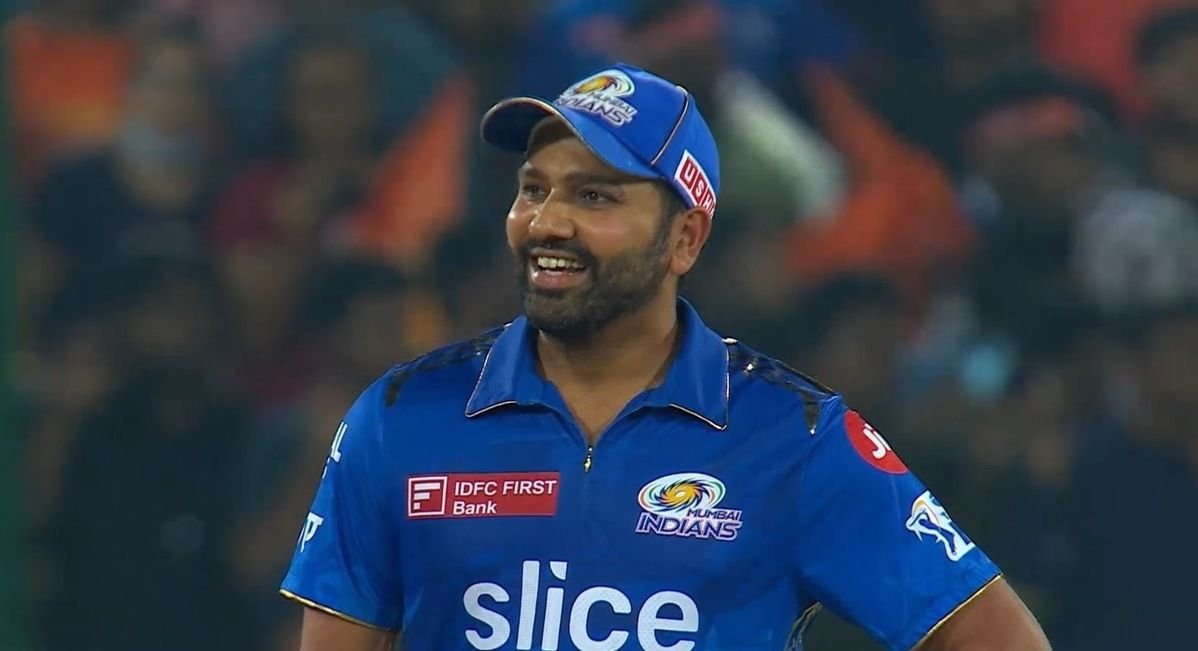


The cricket world turned its eyes toward the marquee warm-up match between India national cricket team and South Africa national cricket team ahead of the ICC Men’s T20 World Cup. Fans may call it a practice game, but both teams treated it like a statement of intent. The match delivered far more than routine preparation. It offered a tactical preview of what the tournament may bring and revealed the mental readiness of two heavyweights.
India entered the game with a balanced mix of experience and youthful energy. South Africa arrived with their trademark athleticism and fearless batting approach. Each side aimed to sharpen its combinations, test bench strength, and settle leadership questions before the main event began.
India’s Strategic Objectives
India focused on clarity of roles. The team management wanted to identify the best opening pair and finalize the middle-order combination. The warm-up match provided a perfect environment to experiment without risking tournament points.
The Indian batters played with controlled aggression. They targeted the powerplay overs and rotated strike efficiently during the middle phase. Their approach reflected a modern T20 philosophy: score early, protect wickets, and explode at the death.
India’s bowling unit emphasized discipline. The pacers worked on hard lengths and swing with the new ball, while spinners concentrated on variations. Every over carried purpose. Each bowler tried to simulate pressure situations that often define World Cup matches.
Leadership also remained under the spotlight. The captain encouraged frequent fielding changes and aggressive placements. He wanted players to communicate clearly and react quickly to momentum shifts. That mindset showed India’s desire to dominate rather than merely participate.
South Africa’s Tactical Blueprint
South Africa approached the game with intensity. Their batters attacked from the first ball, showing no fear against India’s bowling depth. They trusted their natural power and relied on clean hitting through the line.
The Proteas used this match to test their flexible batting order. They promoted all-rounders up the order and experimented with pinch hitters in the powerplay. This decision revealed a desire to surprise opponents during the main tournament.
Their bowlers aimed for variety. Fast bowlers mixed pace and length, while spinners used wide lines and sharp turn. South Africa also emphasized athletic fielding. Players chased every ball and saved crucial runs. This effort reflected their belief that fielding can change match outcomes in tight contests.
Key Individual Performances
Several players turned the warm-up into a personal audition. Indian top-order batters displayed confidence against pace and spin. They built partnerships instead of relying on solo brilliance. One batter in particular showed strong footwork and precise timing, signaling readiness for high-pressure games.
South Africa’s middle-order hitter impressed with fearless stroke play. He targeted spinners and fast bowlers alike, proving that he could anchor or accelerate depending on the situation. His innings sent a clear message to team selectors: he deserves a starting spot.
Among bowlers, India’s leading pacer stood out with early breakthroughs. He attacked the stumps and forced batters into mistakes. South Africa’s spinner also shined with clever variations that disrupted rhythm and slowed scoring.
These performances created healthy competition within both squads. Players now push harder for places in the playing XI, raising overall team standards.
Tactical Lessons from the Match
The match highlighted several trends that may shape the tournament:
- Powerplay dominance matters. Both teams showed how early runs set the tone for the innings.
- All-rounders provide balance. Teams relied on players who could bat and bowl under pressure.
- Spin controls the middle overs. Spinners played a key role in slowing momentum and forcing risky shots.
- Fielding decides margins. Quick reflexes and direct hits saved valuable runs.
These lessons will influence team selections and match strategies in upcoming fixtures.
Psychological Impact
Warm-up games shape confidence levels. India gained belief through structured execution. South Africa gained confidence through fearless intent. Both teams walked away with positives, but also with areas to refine.
For India, the match reinforced trust in their batting depth and bowling discipline. For South Africa, it validated their aggressive philosophy and fielding standards. Such psychological edges matter greatly in global tournaments where momentum often outweighs form.
Players now carry mental clarity into the competition. They know what works and what needs adjustment. Coaches also gained valuable data to refine tactics.
Fan and Media Reaction
Fans across the world responded with excitement. Social media buzzed with highlights, debates, and predictions. Analysts praised the intensity of the contest and labeled it a “final before the final.”
Media coverage focused on tactical battles rather than just runs and wickets. Commentators highlighted how both sides treated the match seriously, proving that preparation equals ambition.
This response confirmed that cricket lovers view India vs South Africa as one of the tournament’s most anticipated rivalries.
What This Means for the Tournament
This warm-up match served as a rehearsal for future clashes. India displayed structure and composure. South Africa showcased flair and fearlessness. These contrasting styles promise thrilling encounters in the main competition.
The match also reminded fans that T20 cricket rewards adaptability. Teams must adjust to conditions, opponents, and pressure within seconds. Both India and South Africa demonstrated that they understand this reality.
As the tournament begins, expectations rise. Supporters now expect these two sides to reach the latter stages and possibly meet again in a knockout clash.
Conclusion
The India vs South Africa warm-up match delivered more than preparation. It revealed intent, exposed strengths, and highlighted areas for growth. Both teams treated the contest with seriousness and ambition.
India focused on balance and discipline. South Africa emphasized aggression and athleticism. Together, they produced a contest that reflected the spirit of the T20 World Cup.
This match did not crown a champion, but it set the tone. It told the cricketing world that the upcoming tournament will bring intensity, innovation, and unforgettable moments. Fans can now look forward to a World Cup shaped by confidence, competition, and the relentless pursuit of excellence.