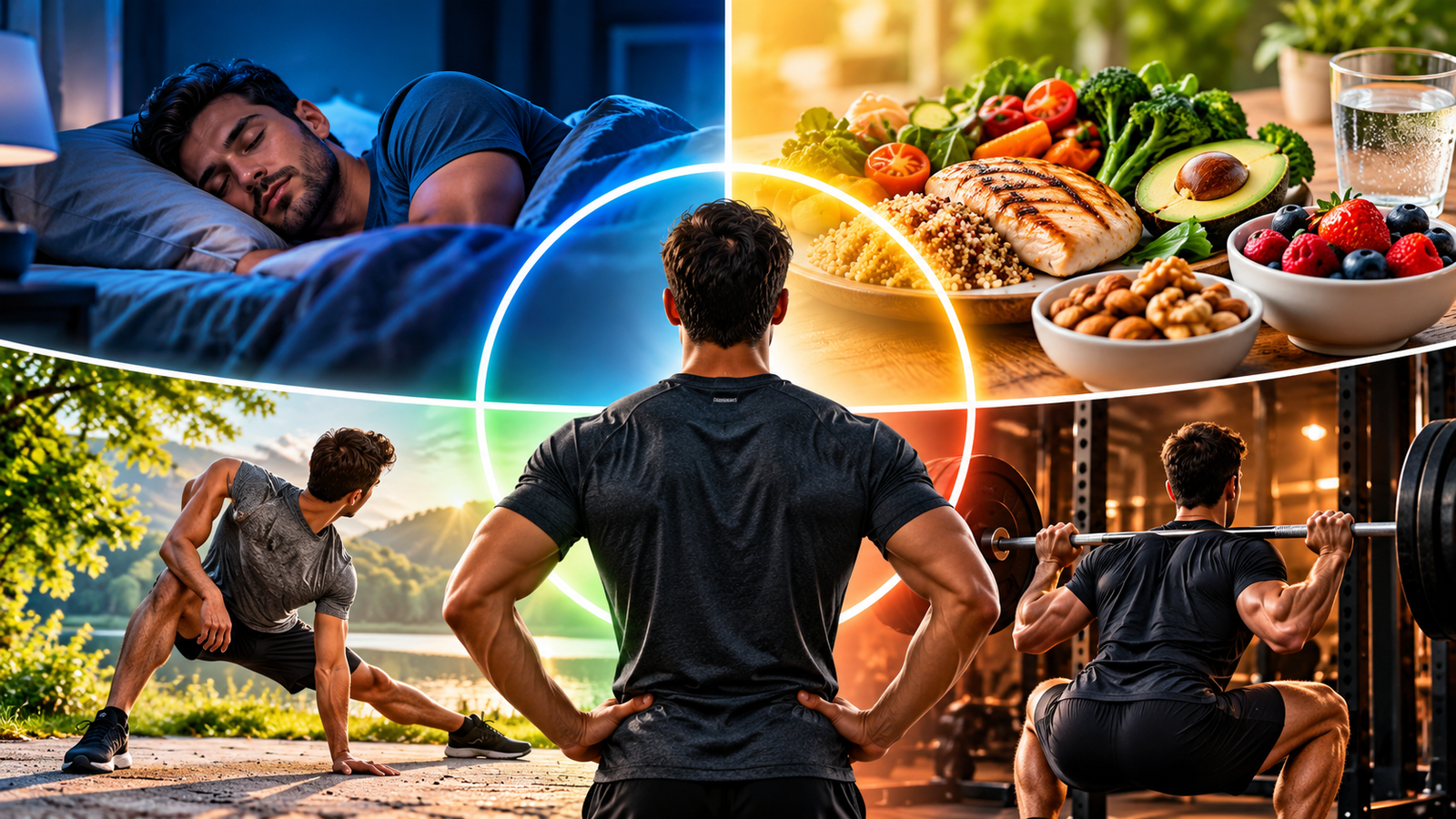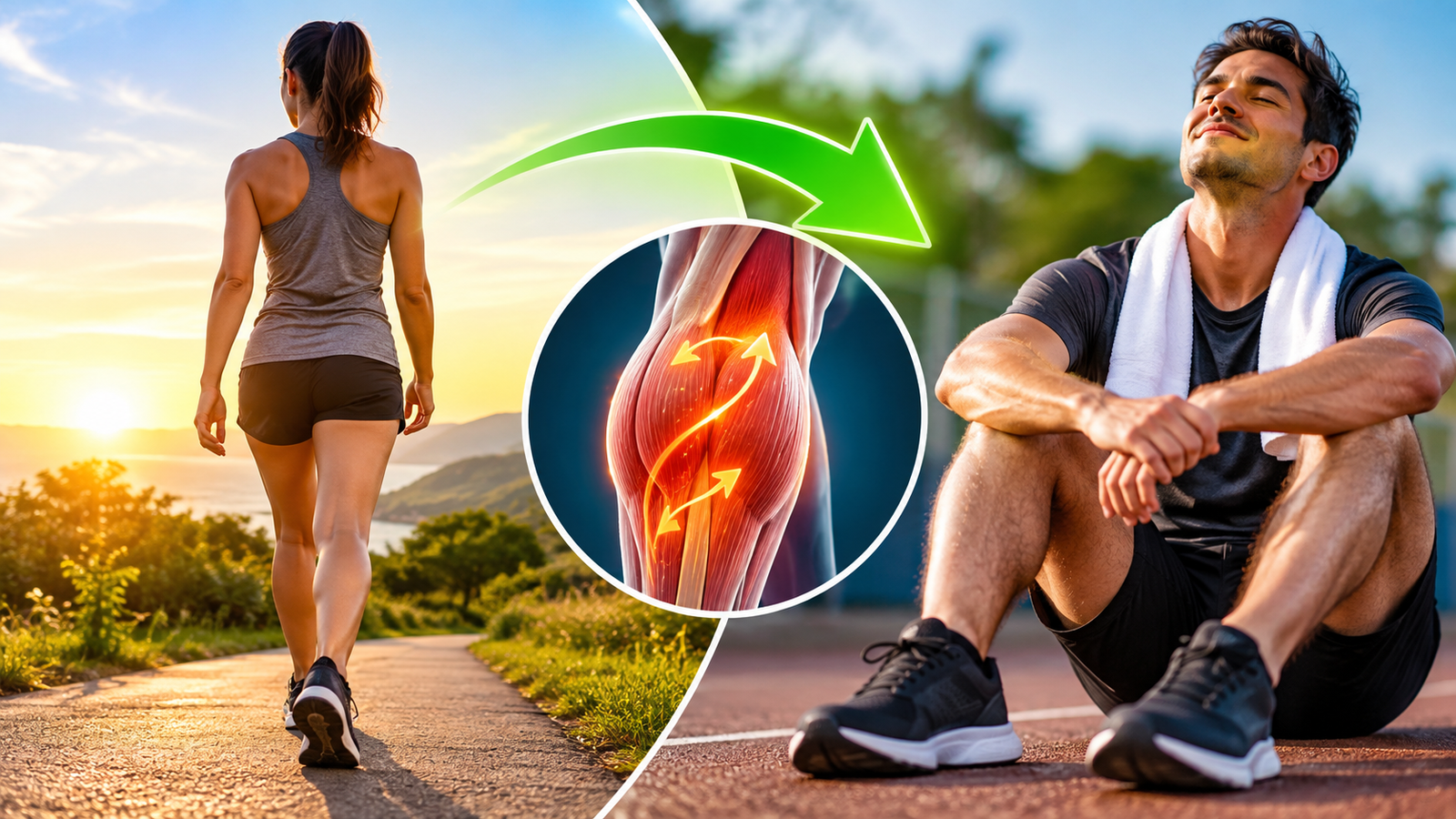









Being fit means your body has a good level of physical ability. You may have strong muscles, good stamina, better mobility, or a healthy body weight. You may run fast, lift heavy weights, walk long distances, or play sports with ease.
Fitness shows what your body can do at a certain point in time. It reflects your current physical capacity. A fit person can often push hard during exercise and achieve strong results.
For example, someone who can run 10 kilometres at a good pace has a good level of endurance. A person who can lift a heavy weight has strength. Someone who can move their joints through a wide range has good mobility.
These are all useful parts of fitness. They help you perform better and make daily life easier.
However, fitness alone does not tell the full story.
A person may be very fit but still have problems with recovery, joint pain, repeated injuries, or poor tolerance for hard exercise. This is where durability becomes important.
What Does It Mean to Be Durable?
Durability means your body can handle physical stress again and again without breaking down.
A durable body can deal with exercise, work, sport, travel, poor sleep, long days, and other forms of stress while still recovering well. It does not mean you never feel tired or sore. It means your body has the ability to return to a good state after stress.
Think about two people who can both run 10 kilometres.
The first person runs it once and needs several days to feel normal again. The second person can run 10 kilometres, recover well, and do another session a few days later without pain or major fatigue.
Both people may be fit. But the second person may have better durability.
Durability is less about one great performance and more about how well your body handles repeated demands.
Fitness Is About Capacity
Fitness gives you a bigger physical engine.
If you have strong muscles, good heart and lung health, solid balance, and good mobility, you have more physical capacity. You can do more work before your body reaches its limit.
This matters in almost every part of life.
A fit person may find it easier to climb stairs, carry bags, play with children, take part in sports, or complete a long hike. Good fitness can also support better health and help you stay active.
But high capacity does not always mean high resilience.
A powerful engine still needs good parts around it. Your joints, tendons, bones, muscles, nervous system, and recovery habits all matter.
This is why a person can have excellent fitness but poor durability.
Durability Is About Resilience
Durability is the body’s ability to deal with stress without repeated problems.
Imagine a runner who increases their distance very quickly. Their heart and lungs may be ready for the extra distance, but their feet, knees, tendons, or muscles may not be ready yet.
Their fitness may improve faster than their body’s ability to tolerate the extra load.
This can create trouble.
Durability helps close that gap. It comes from gradual training, proper recovery, good movement habits, enough strength, and sensible increases in physical load.
A durable body can take stress because it has had time to adapt to that stress.
Why Being Fit Is Not Always Enough
Modern fitness culture often focuses on performance.
People want to run faster, lift heavier weights, lose fat, gain muscle, or reach a new personal record. These goals can be useful, but they can also create a problem when every session becomes a test.
The body needs stress to become stronger. But it also needs time to recover.
If you keep adding stress without enough recovery, your performance may suffer. Small problems can also become larger ones.
For example, a person may have enough strength to squat a heavy weight. But if they repeat hard sessions too often, their body may struggle to handle the total workload.
The problem is not always a lack of fitness. Sometimes the problem is a lack of durability.
Durability Comes From Consistency
One of the clearest signs of durability is consistency.
A durable person does not need to have a perfect workout every time. They focus on staying active over the long term.
They may have days when they train hard and days when they train less. They may also take rest when their body needs it.
This approach can look less impressive than constant hard work, but it can produce better results over time.
Imagine someone who trains very hard for three months but then stops because of an injury. Another person trains at a steady level for several years.
The first person may have better short-term results. The second person may build a stronger physical base because they can stay active for much longer.
Long-term consistency is one of the biggest benefits of durability.
Recovery Is a Major Part of Durability
Recovery is not separate from training. It is part of the process.
When you exercise, your body faces stress. After that stress, your body needs time and resources to repair itself and adapt.
Sleep plays an important role here. Food also matters because your body needs enough energy and nutrients to support repair. Rest days can help too.
Poor recovery can reduce your ability to handle physical stress.
This does not mean you need perfect sleep, perfect meals, or a perfect routine. Real life is not perfect. The goal is to create habits that support your body most of the time.
A durable person understands that rest does not mean weakness. It helps protect future performance.
Strength Supports Durability
Strength is another important part of a durable body.
Strong muscles can help you deal with physical demands. They can make tasks such as lifting, carrying, climbing, running, and jumping easier.
Strength also gives your body a larger reserve.
For example, if carrying a heavy box requires almost all your strength, the task can place a large demand on your body. If you are much stronger than the task requires, the same box may feel far easier.
This idea applies to sport as well.
A stronger body may have more room to deal with physical stress. However, strength must develop in a balanced way. More strength is not automatically better if training volume becomes too high or technique becomes poor.
Fitness and Durability Work Together
Fitness and durability should not be treated as opposites.
You need fitness to perform well. You need durability to keep that performance for a long time.
A person with durability but very little fitness may be able to handle regular activity but may struggle with high demands.
A person with high fitness but poor durability may perform extremely well for a short period but face frequent setbacks.
The ideal goal is to build both.
Think of fitness as the size of your engine. Durability is how well the whole machine can handle repeated use.
A large engine is useful. But strong tyres, reliable brakes, good maintenance, and a solid frame matter too.
How Durability Changes With Age
Durability becomes even more valuable as you get older.
Young people can sometimes recover from hard physical stress quite quickly. That does not mean they are immune to injury, but the body may have a greater ability to deal with certain demands.
As people get older, recovery can take more time. Past injuries, years of poor movement habits, lack of strength, stress, and low activity can also affect physical resilience.
This makes smart training more important.
The goal should not always be to do more. It should be to do enough to improve while keeping the body healthy.
A strong, mobile, and well-conditioned body can support an active life for many years.
The Real Goal Is Long-Term Performance
Fitness can help you achieve a personal best. Durability can help you stay active after that achievement.
This is why the best approach does not focus only on numbers.
Your running speed, lifting strength, body weight, or workout score can tell you useful things. But another question matters just as much: Can your body handle this work again next week, next month, and next year?
That question brings fitness and durability together.
Being fit means you have the ability to perform. Being durable means your body can keep meeting physical demands without constant setbacks.
The strongest goal is not simply to become the person who can do the most today.
It is to become the person who can perform well, recover well, stay healthy, and keep moving for years.
That is where true physical fitness meets durability.
ALSO READ: Why Indie Games Beat AAA Ideas to Market