






Fitness trends come and go very fast. One month, a new workout may fill social media feeds. The next month, another method may take its place. Some trends can help people get stronger, fitter, and more active. Others may look exciting but offer little real value.
The hard part is knowing which trend deserves your time. A good fitness habit should fit your body, your goals, and your daily life. It should also be safe and easy enough to keep for a long time. A short burst of hard exercise may feel great, but a simple routine that you can follow for months often gives better results.
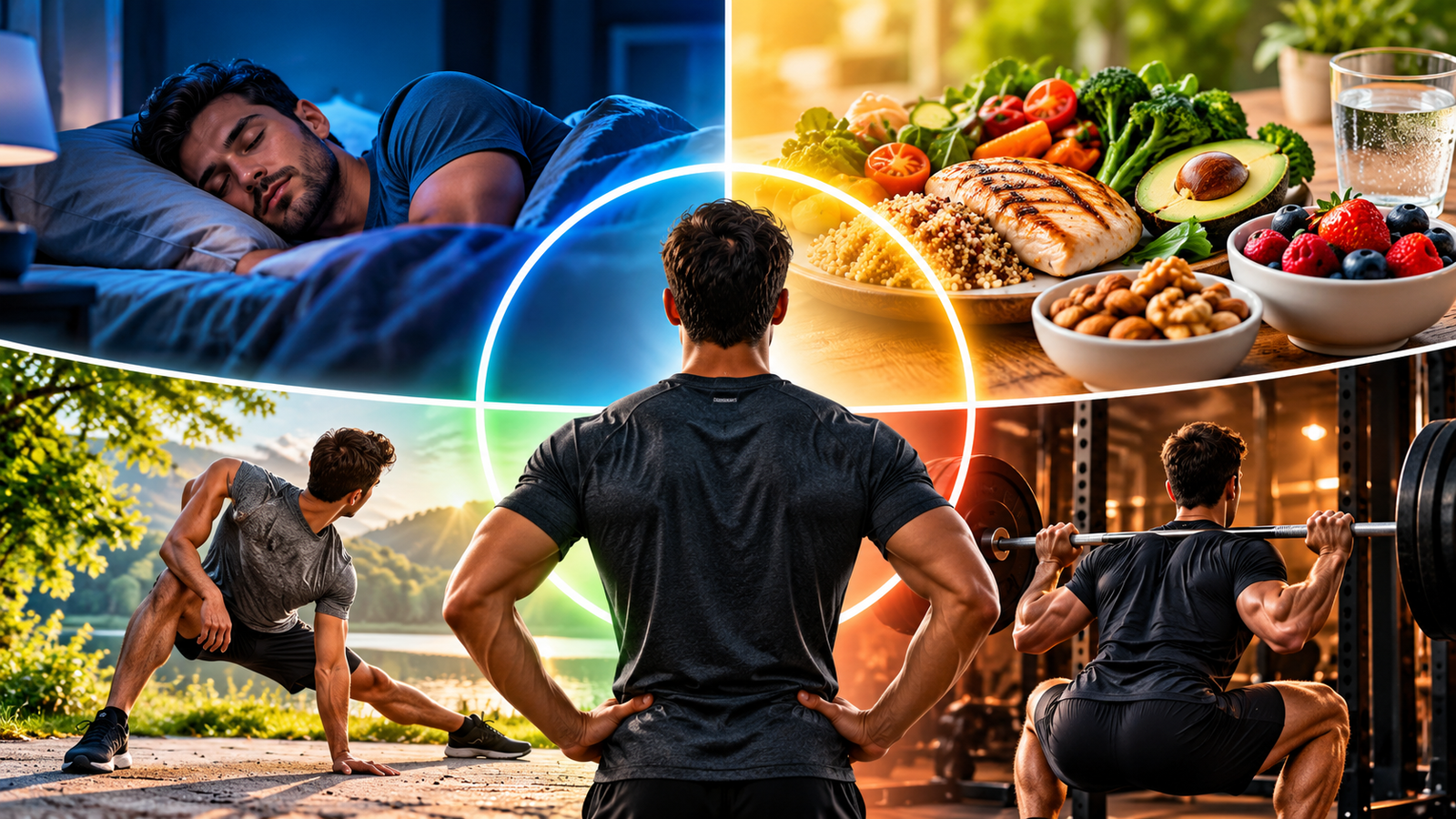
Today, fitness is less about one perfect workout and more about finding a smart mix of strength, cardio, mobility, rest, and good food. With that in mind, some popular trends are worth a try, while others need a closer look.
Strength Training Is Worth Your Time
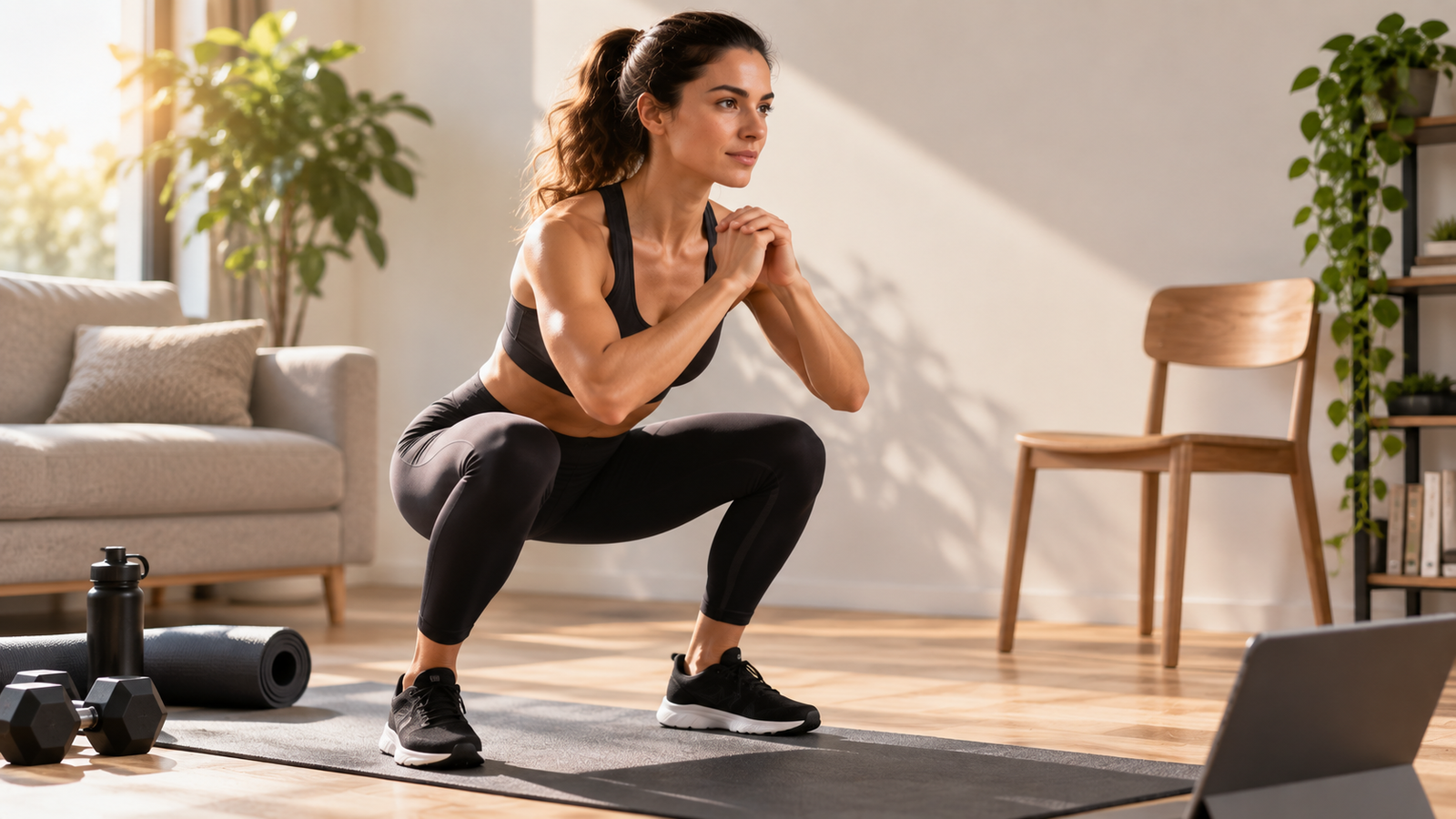
Strength training remains one of the best choices for almost every healthy adult. You do not need to lift very heavy weights to gain its benefits. Dumbbells, resistance bands, machines, or even your own body weight can help build strength.
Regular strength work can support strong muscles and bones. It can also help with balance, posture, and daily tasks. More muscle may also help the body use energy in a better way.
A major benefit is the wide range of options. A beginner can start with basic squats, wall push-ups, rows, and light weights. A more advanced person can use heavier loads and more complex exercises.
The key is not to copy a fitness influencer or chase huge weights. Good form matters more than pride. Start at a level that feels safe, then add more weight or effort over time.
Walking Deserves More Respect
Walking may not look as exciting as many new fitness trends, but it remains a strong choice. It is simple, low cost, easy to access, and suitable for many fitness levels.
A regular walk can support heart health, mood, sleep, and general fitness. It also gives people a simple way to add more movement to a busy day. A brisk walk can raise the heart rate without the stress that some intense workouts place on the body.
You do not need a fancy plan. A short walk after a meal, a longer walk in the evening, or a few extra steps during the day can make a real difference.
For people who dislike gyms, walking may be the easiest habit to keep. That makes it more useful than a hard workout that lasts only a few days.
Pilates Can Be a Smart Choice
Pilates has gained a lot of attention, and for good reason. It focuses on core strength, control, balance, posture, and body awareness.
This type of exercise can work well for people who want a gentler workout. It may also suit those who want more control and stability rather than a high level of speed or impact.
Pilates does not need to replace strength work or cardio. Instead, it can form one part of a wider fitness routine. A person who adds Pilates to strength work and regular walks may get a useful mix of benefits.
The main issue comes when social media presents Pilates as a quick path to a certain body shape. No single workout can change body shape in the exact way a trend may promise. Genetics, diet, sleep, daily activity, and total exercise all play a role.
Wearable Fitness Tech Can Help
Smartwatches and fitness trackers have become common tools for people who want more control over their health habits. These devices can track steps, heart rate, sleep, workouts, and other measures.
They can help create awareness. For example, a person may notice that they move less on workdays or sleep less than they thought. That information can help them make better choices.
Still, these devices are not perfect. Step counts, calorie estimates, and sleep data can have errors. They should act as useful guides, not as medical tools or strict rules.
A healthy relationship with fitness tech means using the data as a clue. It should not cause fear or guilt when a daily target falls short.
High-Intensity Workouts Need Some Care
High-intensity interval training, often called HIIT, can provide a strong workout in a short period. It uses short bursts of hard exercise followed by rest or easier activity.
This approach can improve fitness and save time. For busy adults, that can make HIIT a useful option.
The problem starts when people treat hard exercise as the only form of exercise. More effort does not always mean better results. Too much high-intensity work can leave the body tired and may raise the risk of pain or injury, especially if a person lacks a fitness base.
HIIT can have a place in a balanced routine, but it should not take over the whole week. Rest and easier activity matter too.
Cold Plunges Are Not a Fitness Shortcut
Cold plunges have become a major wellness trend. Many people say they feel fresh and alert after cold exposure. Some athletes also use cold water as part of their recovery routine.
However, cold water is not a magic tool for fat loss, muscle growth, or overall health. The strong claims seen online often go far beyond what science can prove.
Cold exposure can also place stress on the body. People with certain health conditions should speak with a health professional before they try it.
For most people, there are simpler ways to support fitness and recovery. Good sleep, enough food, proper hydration, and sensible exercise have a much stronger place in a basic health routine.
Extreme Diet Trends Are Better Left Alone
Fitness and diet often go hand in hand, but extreme food rules can create more problems than they solve. Very low-calorie plans, long fasts, and diets that remove many food groups may promise fast results.
Fast weight loss can look attractive, yet it may be hard to maintain. Severe food limits can also make it harder to get enough nutrients and may leave a person tired, hungry, or unhappy.
A better approach is a diet that includes a good mix of protein, whole grains, fruit, vegetables, healthy fats, and enough fluids. The right amount will vary from person to person.
The best food plan is usually one that supports health without making every meal feel like a test of willpower.
Social Media Fitness Challenges Can Mislead
Online fitness challenges can create motivation, but they can also create unrealistic expectations. A thirty-day challenge may show dramatic body changes that do not reflect the full story.
Photos can use different light, poses, angles, and timing. Some people may also have years of exercise behind the results they show online.
A challenge can still be useful if it encourages simple habits such as regular walks, basic strength work, or better sleep. The goal should be better health, not a race against another person’s body.
Recovery Is Finally Getting Attention
One of the most useful fitness trends is the greater focus on recovery. Many people now understand that the body needs rest after exercise.
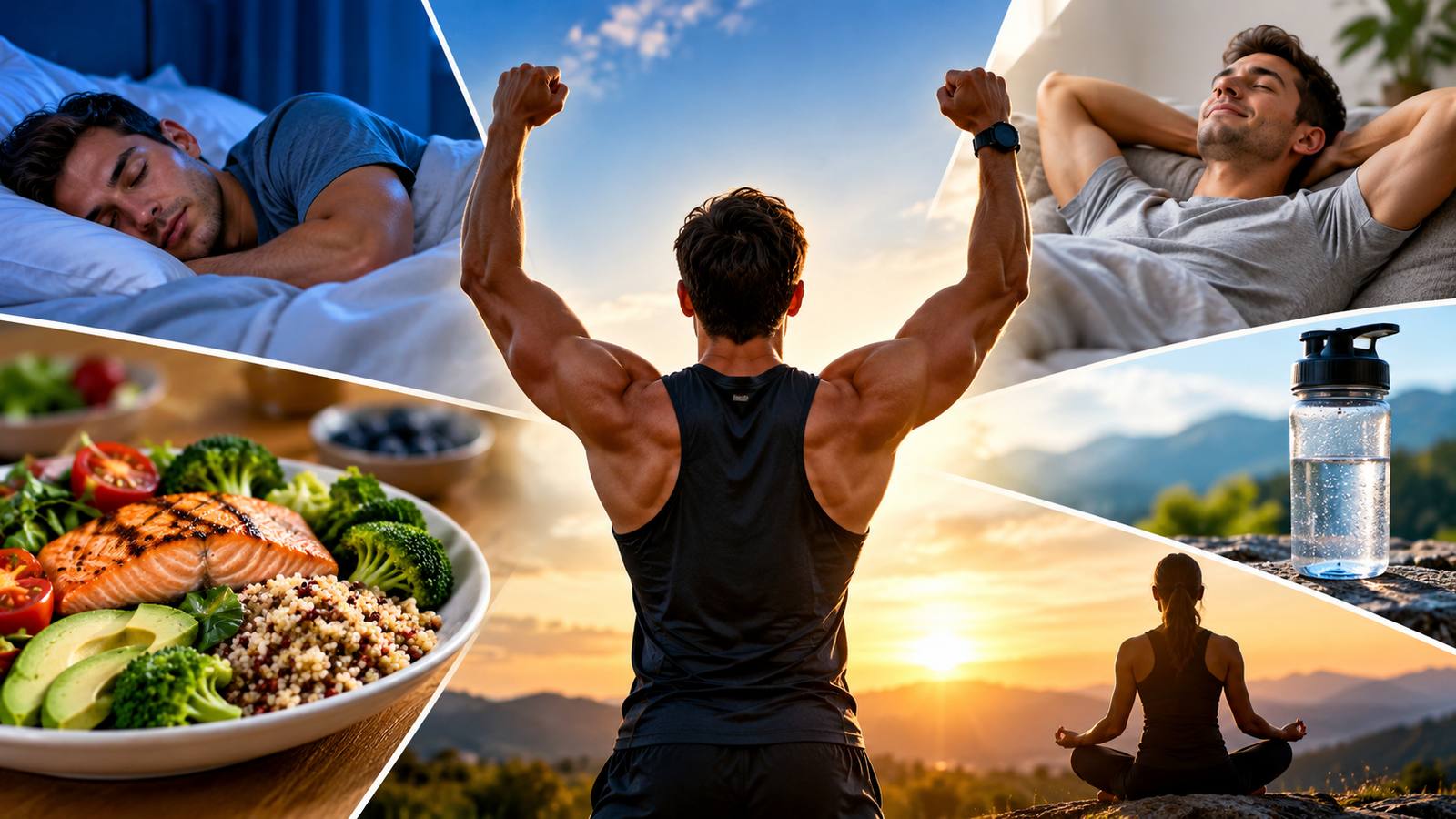
Sleep is a major part of this process. Rest days, easy movement, enough food, and proper hydration also matter. Without recovery, hard exercise may lead to poor results and constant tiredness.
A good fitness plan should leave room for rest. Progress does not come only from exercise. It also comes from how well the body repairs itself afterward.
Choose Fitness That You Can Keep
The best fitness trend is not always the newest one. It is the habit that fits your life and helps you stay active for the long term.
Strength training, walking, Pilates, sensible cardio, and smart use of fitness trackers can all have value. HIIT can work well when used with care. Cold plunges and extreme diet plans are far less important for most people.
Fitness should not feel like a punishment. It should help you feel stronger, more capable, and more confident in daily life. Before you follow a trend, ask a simple question: can I do this safely and enjoy it for months or years?
If the answer is yes, the trend may be worth your time. If it depends on pain, extreme rules, quick results, or expensive promises, it may be better to skip it.
Also Read – Chennai Super Kings Revamp Their Coaching Team for IPL 2027