








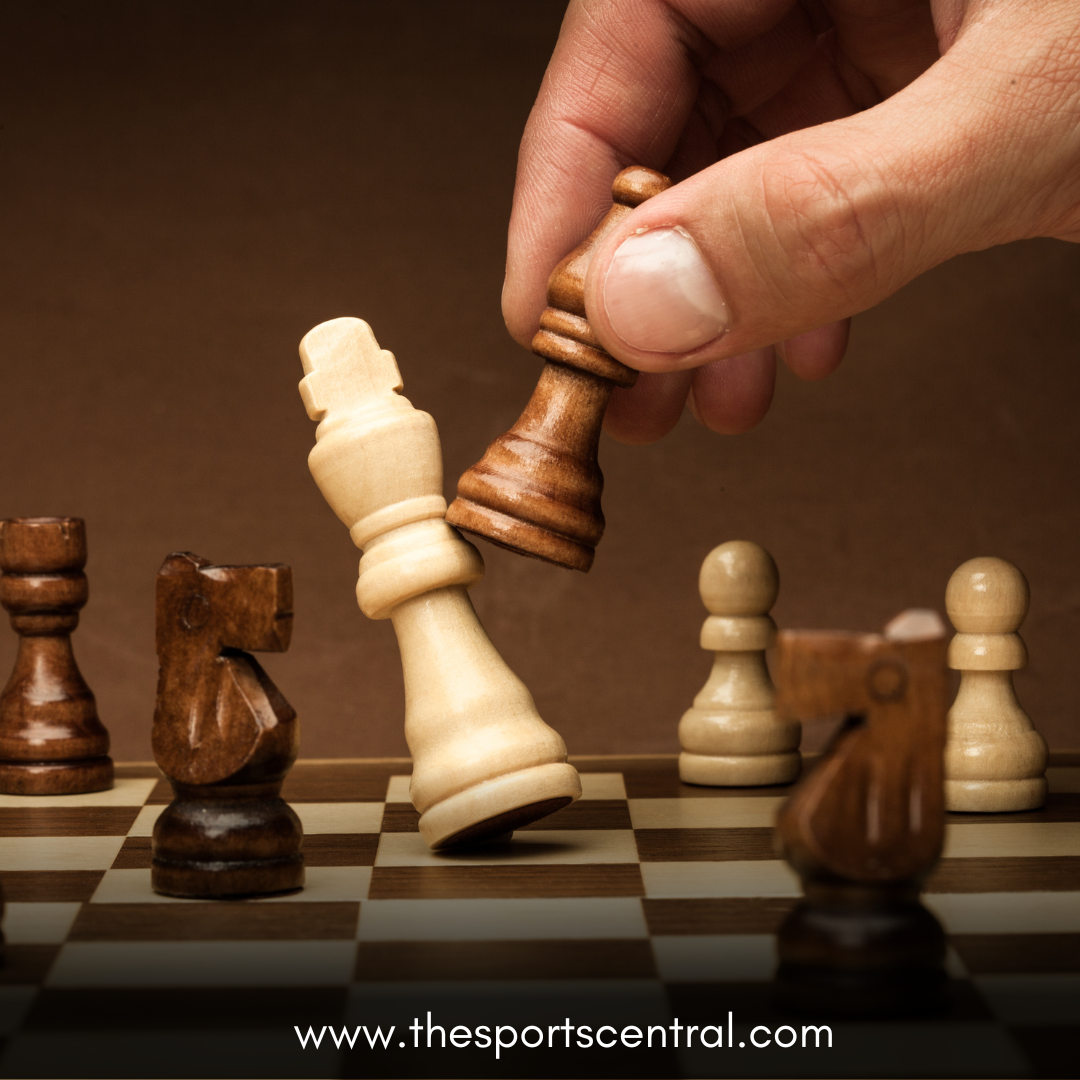
Many people see chess as only a board game. They think it is just a way to pass time or enjoy a fun match with friends. But chess offers much more than simple entertainment. Every move asks a player to think, plan, and choose carefully. Because of this, chess teaches lessons that help in everyday life.
Each day, people make many decisions. Some choices are small, like what to eat or what route to take to work. Other choices have a big effect on the future, such as picking a career, buying a house, or starting a business. Good decisions need clear thinking, patience, and careful planning. Chess helps build these skills over time.
The habits that players develop on the chessboard often become useful in school, work, business, and personal life. Chess trains the mind to stay calm, study every option, and avoid quick mistakes. These lessons stay valuable long after the game ends.
Chess Teaches Careful Thinking
Every move in chess matters. A single mistake can change the whole game. Because of this, players learn to slow down before they decide.
Instead of making quick choices, they look at the board, study the position, and compare different moves. They ask themselves what may happen after each choice. This simple habit becomes useful in real life as well.
Before people spend money, accept a job, or make an important promise, they can use the same process. They learn to stop, think, and then decide. This often leads to better results and fewer regrets.
Chess Helps People See Ahead
One of the biggest lessons from chess is the value of future planning. Good players do not think about only the next move. They also think about what may happen several moves later.
This habit teaches people that every choice creates new results. A small action today may bring a big reward or a serious problem tomorrow.
In daily life, future planning helps people save money, prepare for exams, finish projects before deadlines, and build successful careers. Chess shows that success often comes from good preparation instead of luck.
Chess Builds Patience
Many people want fast results. They expect success in a short time. Chess teaches a different lesson.
A strong position does not appear after one move. It takes many careful decisions. Players wait for the right moment instead of rushing into action.
This patience becomes helpful outside chess. Students understand that good grades need regular study. Workers know that career growth takes time. Business owners realize that success does not happen overnight.
Patience often prevents poor decisions that come from stress or excitement.
Chess Improves Problem Solving
Every chess game brings new challenges. Sometimes a player loses an important piece. Sometimes the opponent creates a difficult attack. Each situation needs a solution.
Instead of giving up, players search for new ideas. They study every possible move until they find the best answer.
This way of thinking becomes useful in everyday life. Problems at work, school, or home rarely have only one solution. Chess teaches people to stay calm and search for different answers before they choose one.
This skill becomes valuable in almost every profession.
Chess Makes People Accept Responsibility
In chess, every move belongs to the player. There is no one else to blame for a mistake.
If a player loses because of a poor decision, the lesson becomes clear. The player must learn from the error instead of making excuses.
This habit creates personal responsibility. In everyday life, people who accept responsibility often improve faster. They study their mistakes, understand what went wrong, and avoid the same problem in the future.
This attitude helps people grow with confidence.
Chess Improves Focus
Modern life brings many distractions. Phones, social media, and constant messages often break attention.
Chess asks players to give full attention to the board. Even one moment of carelessness may lead to a serious mistake.
Regular practice helps improve concentration. This stronger focus supports students during exams, workers during meetings, and professionals during important tasks.
Good attention often leads to better decisions because people notice details that others may miss.
Chess Builds Confidence
Every successful decision in chess gives players more confidence. They begin to trust their own thinking because they see good results after careful planning.
This confidence grows step by step. Even after difficult losses, players learn that hard work and practice help them improve.
In daily life, confident people often make decisions with greater clarity. They believe in their preparation instead of fear. At the same time, chess also teaches humility because every player still has something new to learn.
This balance between confidence and learning creates strong decision-makers.
Chess Shows the Value of Risk
Not every safe move leads to victory. Sometimes players must take a calculated risk.
Good chess players do not choose risky moves without thought. They first study the possible rewards and the possible dangers. After careful analysis, they decide whether the risk is worth it.
The same lesson applies in real life. Starting a business, changing careers, or making investments often includes some risk. Chess teaches people to measure both the benefits and the dangers before they act.
This careful approach reduces unnecessary mistakes.
Chess Helps Control Emotions
Strong emotions often lead to poor decisions. Anger, fear, or excitement can make people act without enough thought.
Chess teaches emotional control. Even after a mistake, players must stay calm because the game continues. Panic usually creates even more errors.
This emotional balance becomes useful in everyday situations. During workplace pressure, family discussions, or financial decisions, calm thinking often leads to better choices than emotional reactions.
People who stay calm usually see more options and make wiser decisions.
Chess Encourages Learning from Mistakes
Every chess player loses games. Even world champions face defeat.
The important lesson does not come from winning every match. It comes from studying mistakes after the game ends. Players look at their decisions, find weak moments, and understand how they can improve.
This habit creates continuous learning. Instead of feeling defeated after failure, people treat mistakes as lessons.
This mindset supports success in education, business, sports, and personal growth.
Chess Strengthens Memory
Chess asks players to remember openings, patterns, positions, and strategies. Over time, the brain becomes better at storing and recalling useful information.
A stronger memory helps people in many parts of life. Students remember lessons more easily. Professionals recall important details during meetings. Business leaders remember facts before they make decisions.
Good memory supports faster and more accurate thinking.
Chess Teaches Flexibility
No chess game follows the exact same path. Even the best plan may fail because the opponent chooses an unexpected move.
Players must adjust their strategy when the situation changes. They cannot depend on only one idea.
Life works in a similar way. Plans sometimes change because of new opportunities or unexpected problems. Flexible people adapt more easily and continue toward their goals without giving up.
Chess teaches that change is not always a problem. Sometimes it creates a better opportunity.
Chess Improves Logical Thinking
Every move in chess follows a reason. Players connect one idea with another until they reach a final decision.
This logical process becomes useful in daily life. People collect facts, compare choices, study possible results, and then make decisions.
Logical thinking reduces guesswork. It also helps people avoid decisions based only on emotions or assumptions.
Over time, this creates better judgment in both personal and professional life.
Conclusion
Chess offers much more than entertainment. It builds valuable habits that improve decision-making in everyday life. The game teaches careful thinking, patience, planning, focus, responsibility, emotional control, flexibility, and logical reasoning. It also helps people solve problems, accept mistakes, and prepare for future challenges.
These lessons do not stay on the chessboard. They become part of daily life. Whether someone studies at school, works in an office, runs a business, or manages a family, the skills learned through chess can support smarter decisions.
Every game becomes a chance to think better, learn more, and grow stronger. That is why chess remains one of the most powerful tools for building better decision-making beyond the board.
Also Read – The 5 Minute Morning Habit That Burns Fat Fast