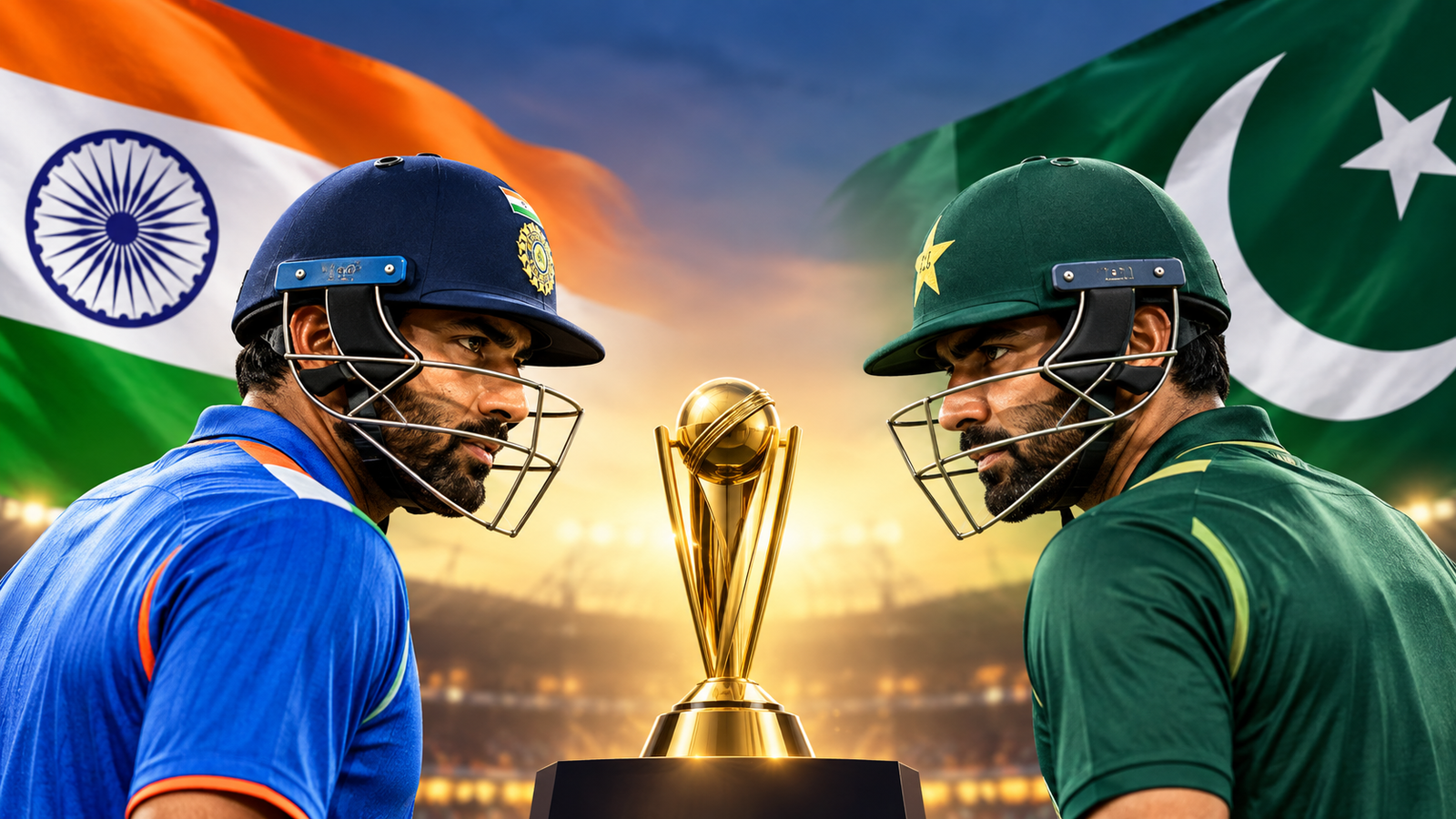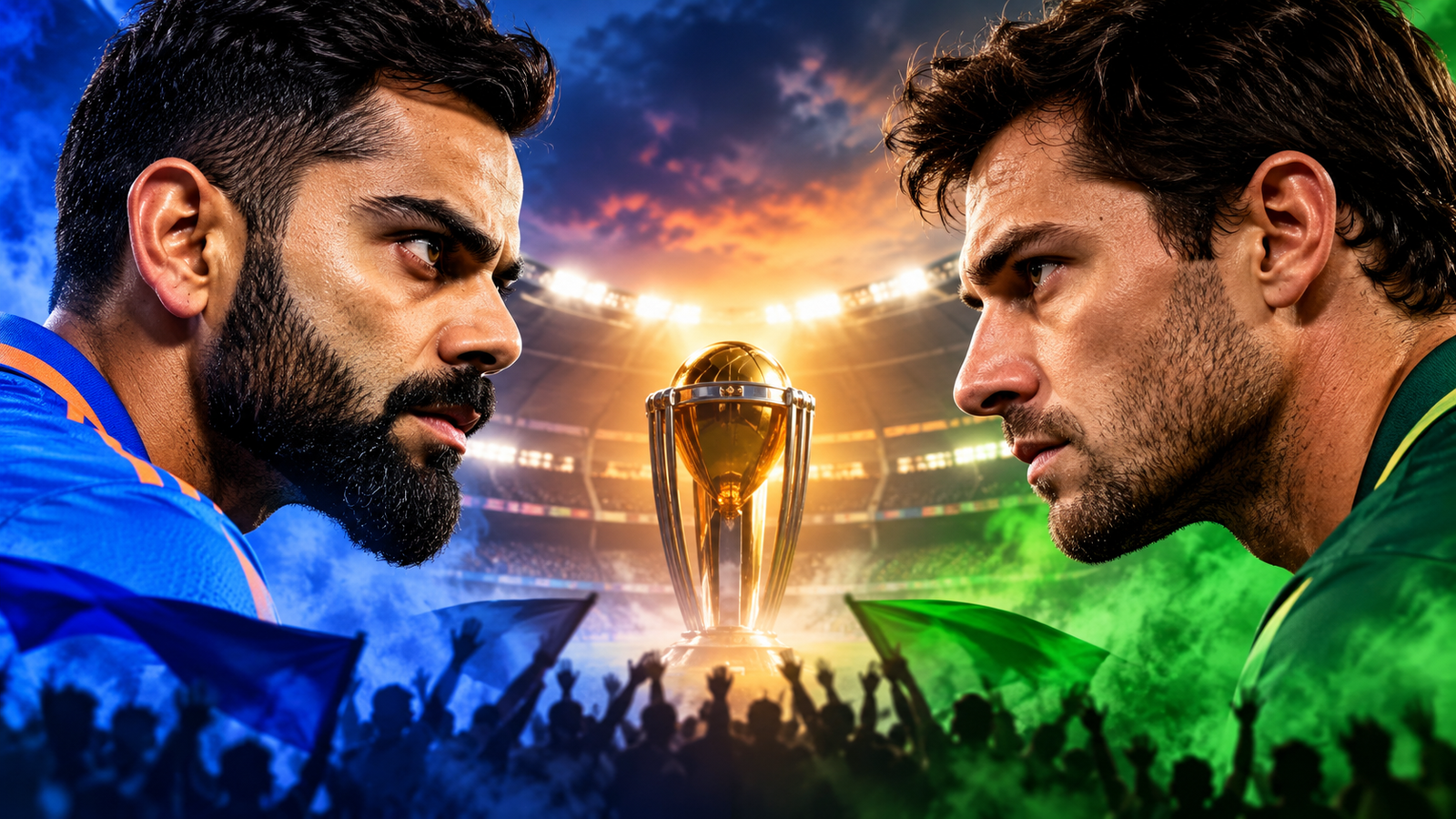




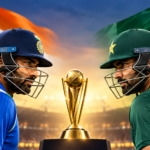




The cricket world woke up to shock and controversy when Pakistan announced that it would not play its scheduled group match against India in the ICC Men’s T20 World Cup. The decision instantly triggered political debate, financial concerns, and sporting uncertainty. Fans expected another chapter in cricket’s fiercest rivalry, but Pakistan chose protest over participation, placing diplomacy and sport on a collision course.
This move reshaped the tournament narrative and raised urgent questions about governance, neutrality, and the future of India–Pakistan cricket.
The Decision That Changed the Tournament
Pakistan’s cricket board declared that the team would not take the field against the India national cricket team. Officials cited political and security objections related to the venue and diplomatic tensions between the two countries. The board framed the boycott as a principled stand rather than a sporting withdrawal.
Players expressed disappointment but respected the board’s stance. Several senior cricketers stated that they wanted to compete but understood the broader context of the decision. The announcement reached fans only days before the high-profile clash, leaving broadcasters, sponsors, and organizers scrambling for alternatives.
Reactions Across the Cricket World
Cricket administrators reacted swiftly. The International Cricket Council confirmed that tournament rules would treat the match as a forfeit, awarding points to India. This ruling followed standard regulations for non-appearance in scheduled fixtures.
Former players and analysts criticized the move from both sides. Some argued that sport should remain separate from politics, while others defended Pakistan’s right to raise concerns through symbolic action. Social media exploded with debate, with fans from multiple countries questioning whether the boycott protected dignity or damaged the spirit of competition.
Indian cricket officials expressed regret and stated that they prepared fully for the match. They emphasized their commitment to fair play and tournament discipline. Meanwhile, the Pakistan national cricket team faced emotional pressure from supporters who wanted to see their players challenge India on the world stage.
Financial Impact and Broadcast Losses
The India–Pakistan fixture always attracts the highest television ratings in global cricket. Advertisers pay premium prices for this single match. The boycott therefore created an immediate financial shock.
Broadcasters lost millions in expected revenue. Sponsors questioned the reliability of future fixtures involving politically sensitive teams. Ticket holders demanded refunds or compensation, and stadium vendors reported heavy losses. Tournament organizers had built their marketing strategy around this rivalry, and its sudden absence weakened the commercial power of the event.
Economists who track sports business estimated that the cancellation erased one of the most profitable nights of the tournament. Cricket boards now face pressure to introduce financial safeguards against similar disruptions in the future.
Political Undercurrents Behind the Move
Politics shaped this decision more than form or fitness. Pakistan’s leadership wanted to send a strong message to international bodies and regional rivals. Officials believed participation under existing conditions would signal acceptance of policies they opposed.
The boycott also reflected internal political pressures. Domestic voices urged the cricket board to avoid what they viewed as symbolic compromise. By refusing to play, Pakistan’s authorities aimed to show resolve to their home audience.
However, critics argued that athletes should not carry the burden of diplomacy. They warned that repeated political actions could isolate Pakistan from major cricket events and reduce opportunities for young players.
Sporting Consequences for the Tournament
On the field, the boycott altered group dynamics. India gained crucial points without batting a ball. Other teams in the group worried about fairness, since competitive balance depends on equal opportunities to play every opponent.
Analysts noted that net run rate calculations and qualification scenarios now lacked symmetry. Teams that expected a tough contest against Pakistan lost a chance to test themselves. Coaches complained that unpredictability now defined the group stage.
Fans also felt cheated. Many had waited months for this showdown. For them, cricket lost one of its most emotional spectacles, and the tournament lost a central storyline.
Voices From Former Players
Former captains and legends shared mixed opinions. Some insisted that cricket must rise above politics. They recalled moments when sport united divided nations. Others acknowledged the reality that teams operate within national frameworks and cannot ignore political realities.
A few players suggested neutral venues as a compromise. They argued that playing in a third country could protect security and allow competition to continue. Their proposals revived older discussions about hosting India–Pakistan matches outside both nations.
What This Means for Future India–Pakistan Cricket
The boycott revived fears about the long-term future of bilateral cricket. India and Pakistan already avoid regular series due to diplomatic tensions. Multinational tournaments remain their only consistent meeting ground.
If boycotts become common, even global competitions could struggle to guarantee fixtures between them. This risk threatens one of cricket’s biggest commercial engines and emotional drivers.
Administrators now face pressure to create clearer frameworks that protect sporting schedules from political disruption. Some experts suggest stronger contractual obligations, while others propose independent dispute panels to resolve conflicts before match days arrive.
A Test for Cricket Governance
This incident challenged the authority of international cricket bodies. The ICC promotes neutrality and inclusiveness, yet national boards still hold final power over participation. The boycott exposed the limits of centralized governance.
Observers now call for clearer crisis protocols. They want rules that address political withdrawals without harming tournament integrity. Without reform, similar situations could repeat in future World Cups and Champions Trophies.
Fans Caught in the Middle
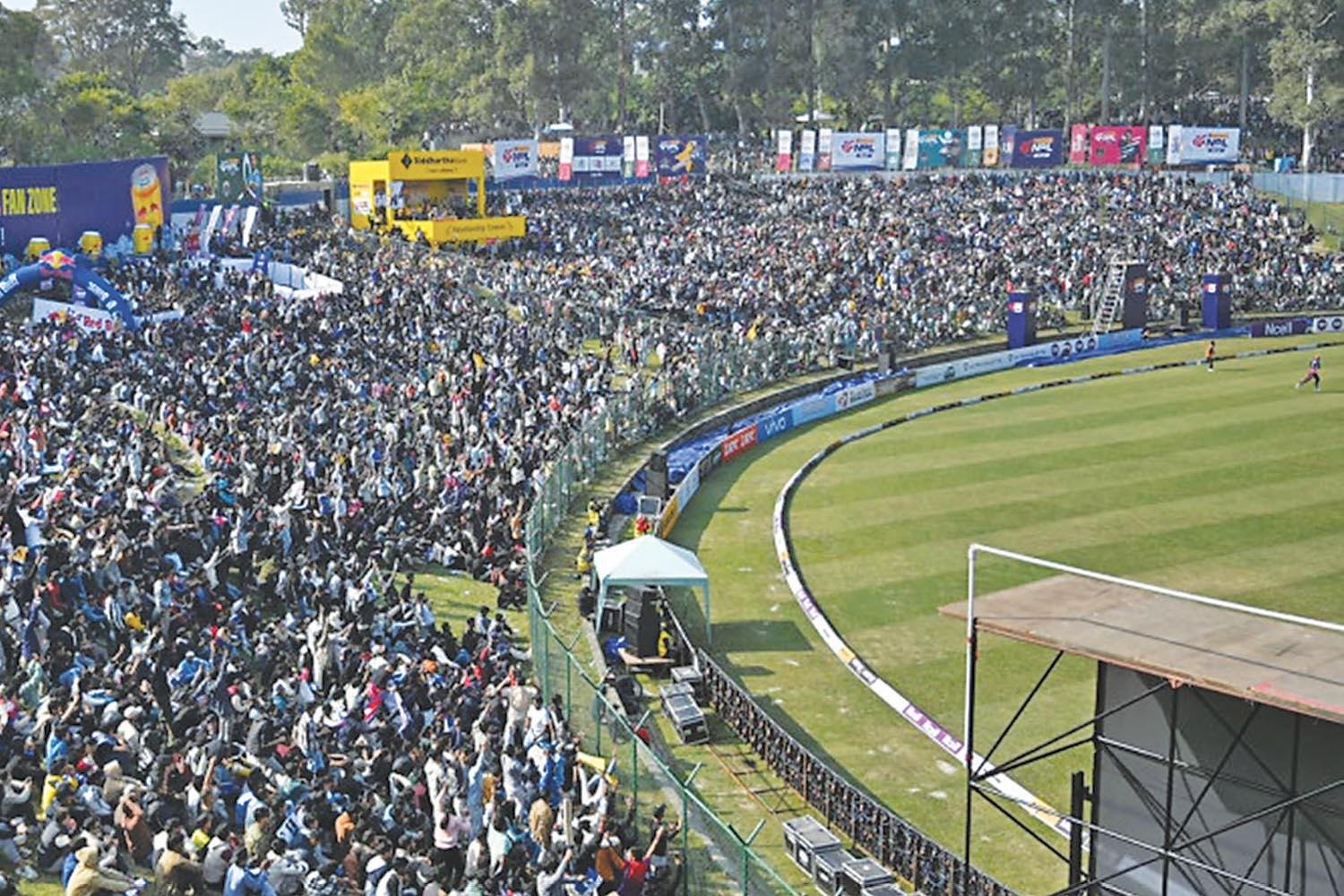
Ultimately, fans paid the highest emotional price. Millions across South Asia and the global diaspora planned viewing parties and stadium trips. Instead, they witnessed an empty fixture and endless debate.
For young supporters, the boycott turned a sporting dream into a lesson about geopolitics. Cricket, which once offered escape and unity, suddenly mirrored the region’s divisions.
Conclusion: A Rivalry Interrupted
Pakistan’s boycott of the India match at the T20 World Cup reshaped the tournament and reopened long-standing wounds between sport and politics. The decision carried symbolic weight, financial cost, and sporting consequences.
Cricket now stands at a crossroads. Leaders must decide whether they will protect the game from political storms or allow national conflicts to dictate schedules. Until they find that balance, the world’s most intense rivalry will remain fragile, and fans will continue to wonder when cricket can once again speak louder than politics.