








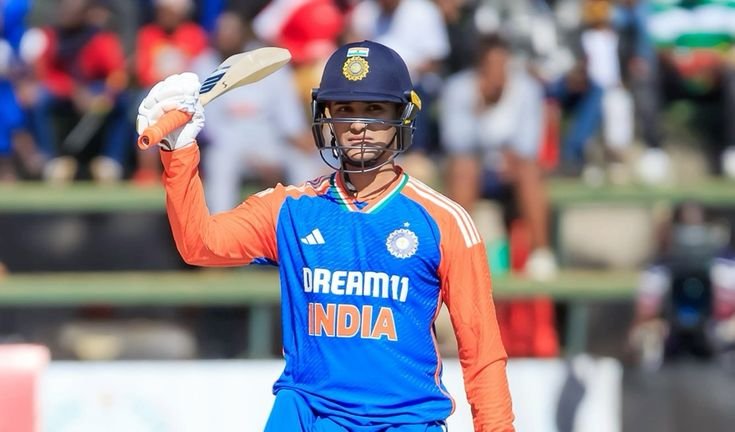
Cricket rarely offers mercy. It tests temperament before talent, patience before power. And right now, the spotlight burns brightest on Abhishek Sharma.
India entered the ICC Men’s T20 World Cup 2026 with massive expectations. The team carried depth, balance, and firepower. At the top of the order, fans expected fireworks from the explosive left-hander who had dominated the T20 circuit over the past two years.
Instead, the tournament has delivered an uncomfortable headline: three ducks in three matches.
A Nightmare Beginning
Abhishek’s campaign began against the USA. He walked in with intent. He walked back without scoring. One ball. One dismissal. Golden duck.
The disappointment stung, but supporters expected a bounce back.
Then illness struck.
A stomach infection ruled him out of India’s second match against Namibia. Doctors admitted him briefly for observation. He recovered and returned to the squad, but he lost valuable match rhythm in the middle of a fast-moving tournament.
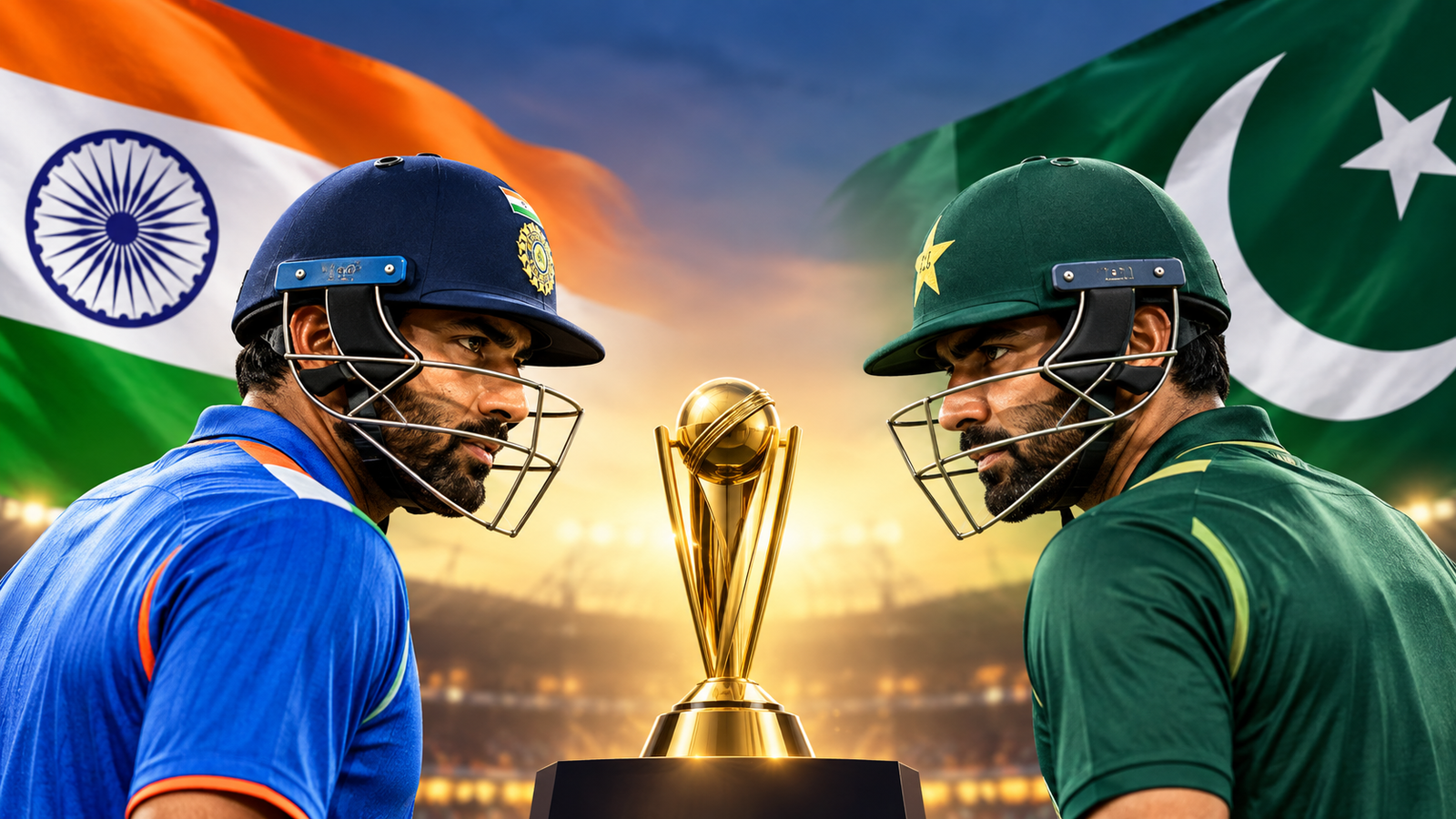
When India faced Pakistan in the third match, the stakes soared. The pressure of that rivalry intensifies every delivery. Abhishek stepped out determined to respond. Once again, he fell for zero.
Two ducks in two World Cup innings.
On February 18, 2026, India met the Netherlands in their fourth group match. Many saw this as the ideal opportunity for Abhishek to reset. Instead, the Netherlands struck early. Abhishek departed for another duck.
Three consecutive zeros. Five balls faced in the tournament. No runs.
For a player who once sat at the top of the ICC T20I batting rankings, the numbers look jarring.
The Contrast That Hurts
Before this World Cup, Abhishek built a reputation as one of the most destructive T20 batters in world cricket.
He dominated bilateral series.
He terrorized bowlers in franchise leagues.
He climbed to the No. 1 spot in ICC T20I rankings at various points.
He scored at a strike rate that redefined modern powerplay batting.
In 2025 alone, he produced match-winning knocks that forced teams to rethink field placements inside the first six overs.
Now, the same batter struggles to survive the first over.
The larger context adds another layer: Abhishek has recorded four ducks in his last seven T20 International innings. That pattern shifts the discussion from “bad luck” to “form concern.”
Still, cricket operates in fine margins. A mistimed drive. A sharp inswinger. A moment’s hesitation. T20 punishes even slight errors.
Aggression: Strength or Weakness?
Abhishek built his career on fearless strokeplay. He attacks from ball one. He disrupts bowlers before they settle. He forces captains to rethink plans within minutes.
But aggression cuts both ways.
In T20 cricket, openers who attack early accept risk as part of the job description. Some days, they blast 60 off 25 balls. On others, they edge to slip.
Right now, the balance tilts toward risk without reward.
Opposition teams have clearly targeted him. Bowlers have attacked his off-stump channel early. They have tempted him with width, cramped him with angles, and challenged his judgment under pressure.
And pressure has multiplied with each dismissal.
Team Management Stands Firm
Despite public noise, India’s team management has shown composure.
Batting coach Sitanshu Kotak dismissed panic. He insisted that Abhishek understands his plans clearly. He emphasized trust in process over short-term results.
That backing matters.
Confidence erodes quickly in tournament settings. Public criticism can intensify doubt. A clear vote of confidence from the dressing room helps stabilize a player’s mindset.
India’s camp understands that T20 tournaments demand nerve. They know that one explosive innings can flip narrative instantly.
Competition Intensifies
While Abhishek searches for rhythm, others strengthen their cases.
Ishan Kishan has surged up the ICC rankings after blistering performances. He has provided stability and acceleration at the top. His recent knocks have delivered impact exactly when India needed it.
India’s batting depth creates luxury and pressure at the same time. Selectors have options. That reality increases scrutiny on every underperforming player.
No team carries passengers in a World Cup knockout stage.
If Abhishek fails to convert chances in the Super 8 phase, selectors could face difficult calls.
Mental Battle Over Technical Flaw
Observers have not flagged glaring technical breakdowns. No dramatic flaw dominates analysis. Instead, experts talk about rhythm, tempo, and mental reset.
Sunil Gavaskar recently offered simple advice: take a single early. Feel the pitch. Let the scoreboard move. Then unleash the natural game.
That suggestion reflects a deeper truth. Confidence often returns through small moments. A soft push for one run can calm nerves more effectively than a boundary attempt.
Abhishek thrives on momentum. Right now, he needs a foothold.
Numbers Tell One Story. History Tells Another.
Three consecutive ducks in a World Cup create headlines. They trigger debates. They invite questions about temperament under pressure.
But history reminds us that elite players endure lean patches.
T20 cricket magnifies volatility. The format compresses opportunity. A batter may face only 20 balls in an entire match. Early dismissal leaves no time for recovery.
Abhishek’s broader T20 record still commands respect:
- Former ICC No. 1 ranked T20I batter.
- Multiple high-impact innings across 2024 and 2025.
- Proven powerplay strike rate among the best globally.
- Ability to change matches inside three overs.
Those credentials do not vanish after three innings.
What Happens Next?
The Super 8 stage now carries enormous importance.
If Abhishek fires early in that phase, the narrative shifts dramatically. A 45 off 18 balls erases weeks of criticism. T20 rewards immediate redemption.
If struggles continue, team management may explore alternatives for knockout matches. Tactical flexibility defines successful tournament campaigns.
Yet India must weigh immediate form against long-term investment. Abhishek represents the next generation of fearless T20 openers. Dropping him too quickly could dent long-term planning.
Patience and performance now stand in delicate balance.
The Bigger Picture
Every major tournament produces a storyline that captures emotional attention. This time, Abhishek’s form has become that storyline.
But sport thrives on unpredictability.
Many legendary careers include early World Cup setbacks. Some players stumble before they soar. The pressure of representing India at a global event challenges even seasoned cricketers.
Abhishek stands at a defining crossroads — not because his talent disappeared, but because expectation has skyrocketed.
Fans remember his dominance. They know his ceiling. That belief fuels frustration as much as criticism.
Final Word
Abhishek Sharma’s T20 World Cup 2026 campaign has started in brutal fashion: three matches, three ducks, five balls faced, zero runs.
The numbers hurt. The optics sting. The questions feel unavoidable.
Yet cricket careers do not collapse in a week.
He still carries explosive potential.
He still commands dressing-room backing.
He still holds the ability to flip a game inside an over.
The coming matches will test more than technique. They will test character.
And sometimes, the most compelling chapters in cricket do not begin with runs — they begin with resilience.
If Abhishek responds with one fearless innings in the Super 8 stage, this difficult start will transform from crisis to comeback.
Right now, the future feels uncertain.
But in T20 cricket, certainty rarely survives the next over.